Gold, Silver, Copper Price Outlook 2026
Precious Metals Outlook 2026: See how gold, silver and copper trends, USD/INR, duties and MCX factors may shape Indian investor returns.
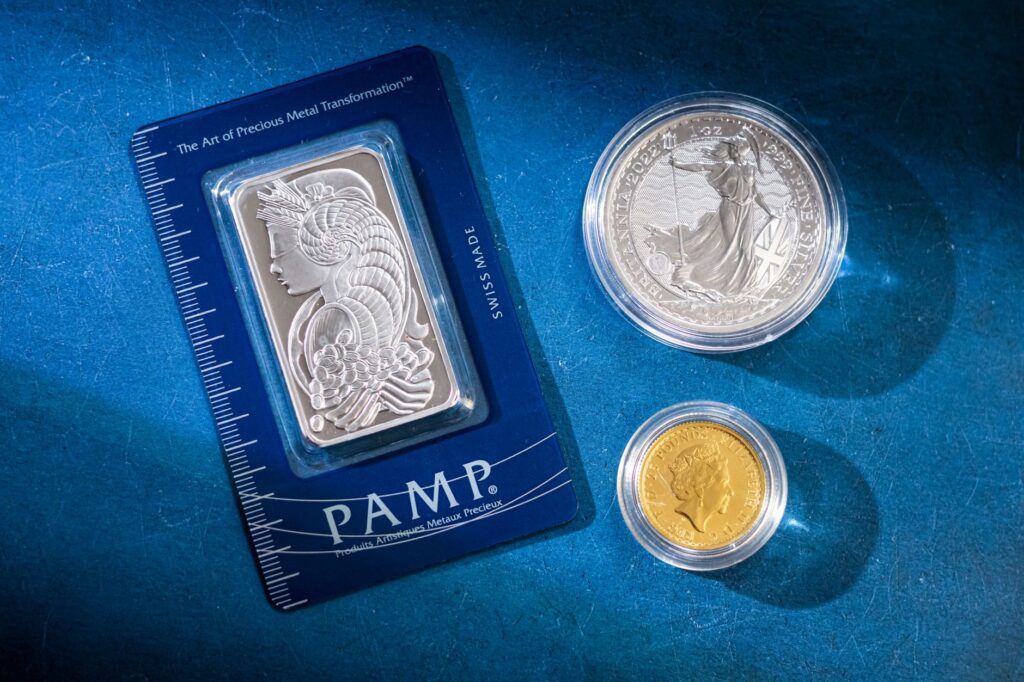
Precious Metals Outlook 2026 has shifted from one-way rally to selective opportunity. Gold, silver and platinum have corrected from record highs, while copper remains supported by AI data centres, power grids and tight mine supply.
For Indian investors, the global price is only half the story. USD/INR movement, import duty, GST, domestic premiums and MCX liquidity can keep local prices elevated even when international benchmarks soften.
Precious Metals Outlook 2026: Why the rally cooled in Q2
Precious metals delivered exceptional gains in early 2026. According to a World Bank update, gold, silver and platinum retreated in Q2 after a long 14-month rally. Gold traded nearly 15% below its February peak by June, while silver and platinum were around 25% below their January highs.
The pullback was not surprising. Markets had priced in geopolitical stress, aggressive central bank buying and lower real interest rates, which means inflation-adjusted interest rates. When investors started reassessing US Federal Reserve policy and booked profits, momentum cooled.
Still, the correction does not mean the metal cycle is over. Gold continues to attract safe-haven demand. Silver remains in a tight physical market. Platinum still faces a supply deficit. Copper, though classified as an industrial metal, is trading like a strategic resource because of electrification and technology demand.
Gold and silver price outlook 2026 for Indian investors
Gold remains the anchor asset in this metals cycle. International prices surged to record levels above $4,700 per ounce earlier in 2026 before correcting. In India, MCX gold futures traded around ₹1,42,000 to ₹1,43,500 per 10 grams in mid-July, based on reported market updates. The gap between global and domestic prices reflects rupee depreciation, import duties and local demand.
Gold has three strong supports. First, central banks are still diversifying reserves away from excessive dollar exposure. Second, geopolitical risks keep safe-haven allocation alive. Third, retail investors continue to use gold ETFs, digital gold, existing sovereign gold bonds and physical bullion as portfolio hedges.
But high prices are hurting jewellery demand. For households planning wedding purchases, staggered buying may be more sensible than chasing sudden price spikes.
Silver has been more volatile. It touched all-time nominal highs near $95 to $100 per ounce in January before correcting. Indian MCX silver futures were around ₹2,18,000 to ₹2,20,000 per kg in July. Silver benefits from both investment demand and industrial use. Solar panels, electronics, semiconductors and electric vehicles consume large quantities of silver.
This dual nature makes silver attractive but risky. It can outperform gold in a strong industrial cycle. It can also fall faster when investors cut leveraged commodity positions.
Platinum and copper price trends 2026: Supply is the swing factor
Platinum hit record highs near $2,400 per ounce in January 2026 but corrected sharply by June. The market remains in deficit, though the shortage may narrow as recycling improves and mine supply stabilises. Automotive demand is the key variable because platinum is used in catalytic converters, which reduce vehicle emissions.
The risk is structural. BEV adoption, or battery electric vehicle adoption, reduces demand for internal combustion components. Automakers may also switch between platinum and palladium depending on price. However, platinum still has support from industrial use and jewellery demand, especially where its discount to gold attracts buyers.
Copper has a different story. It is not a classic precious metal, but investors track it closely because it reflects global growth. Copper traded near $13,930 per tonne in mid-July, as reported by Mining.com, after strong gains earlier in the year.
Demand comes from AI data centres, renewable energy, transmission grids, electric vehicles and China infrastructure. The IEA has warned that copper supply risks have worsened. New mines take years to develop, while smelter constraints and geopolitical disruptions can tighten the market quickly.
For Indian investors, copper exposure is usually through MCX futures or commodity-linked funds. This is not a low-risk trade. Copper reacts sharply to China data, US dollar moves and global recession fears.
MCX metals strategy 2026: Key risks to watch
Indian commodity investors should avoid looking only at international charts. MCX prices reflect global benchmarks plus domestic factors. A weaker rupee can raise Indian gold and silver prices even when dollar prices fall. Import duty also matters. Reports indicate India raised gold import duty to 15% in FY26, which can widen domestic premiums and affect jewellery demand.
Key risks to track include:
- US Federal Reserve rate decisions, as higher rates reduce the appeal of non-yielding assets like gold
- USD/INR movement, because metals are imported and priced globally in dollars
- China growth data, especially for copper and other industrial metals
- Geopolitical tensions in the Middle East, trade routes and mining regions
- Import duty, GST and policy changes in India
- Liquidity and leverage risk in MCX futures and options
Investors should also understand product suitability. Gold ETFs and silver ETFs suit long-term allocation better than leveraged futures for most retail investors. MCX futures can be useful for traders and hedgers, but margin calls can hurt quickly during volatile sessions.
Precious Metals Outlook 2026: What this means for you
The metals market is no longer cheap, but it is not weak either. Gold offers portfolio insurance. Silver provides higher growth potential with higher volatility. Platinum is a specialised recovery and deficit trade. Copper is a structural energy-transition and AI infrastructure theme.
For salaried investors and long-term MF or SIP investors, metals should remain a satellite allocation, not the core portfolio. A 5% to 10% exposure to gold or precious metal ETFs may help diversification, depending on risk profile. Traders should use strict stop losses on MCX and avoid over-leverage.
The practical takeaway is simple. Do not buy metals only because prices have risen. Track real rates, USD/INR, import duties, central bank buying, China demand and MCX premiums. The opportunity in 2026 lies in disciplined allocation, not emotional chasing.
Disclaimer: This article is for educational purposes only and is not investment advice. Commodity prices are volatile. Please consult a qualified financial advisor before investing or trading.

Bhavik Vaid
Bhavik Vaid writes on Indian markets, taxation, banking and personal finance for CADialogue. He covers RBI policy, GST and income-tax changes, mutual funds and market moves, translating them into practical guidance for retail investors, salaried professionals and business owners in India.


