Commodity Trading in India: Risks, Taxes for Beginners
Commodity Trading in India: learn how beginners can trade gold, crude and agri futures, understand key risks, SEBI rules and tax impact.
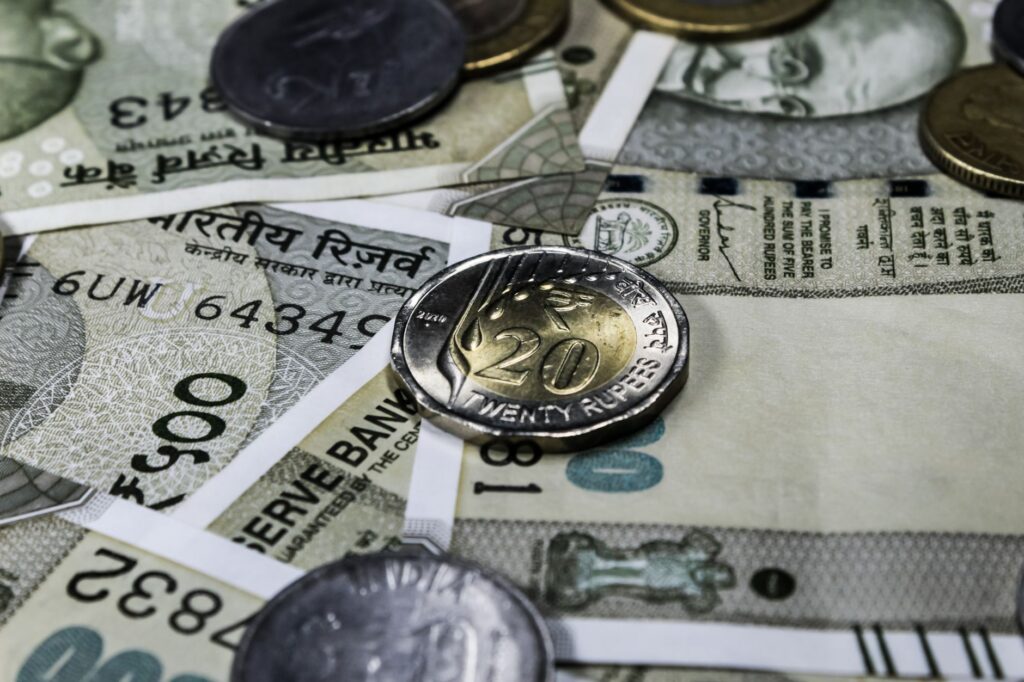
Commodity trading in India is no longer limited to large businesses and institutional players. Retail investors can now trade gold, silver, crude oil, natural gas, copper and select agricultural commodities through regulated exchanges.
But commodities move differently from stocks. Prices react to monsoon trends, global supply shocks, currency movements, inventory data and geopolitical events. That makes the opportunity attractive, but the risk real.
Commodity trading in India: what it means for investors
Commodity trading means buying and selling raw materials or their derivatives on recognised exchanges. These raw materials include agricultural products, metals and energy products.
There are two broad markets. The first is the physical commodity market, where actual goods are bought and sold. The second is the derivatives market, where traders use futures and options to take exposure without necessarily taking delivery.
A futures contract is a standardised agreement to buy or sell a commodity at a future date at a pre-decided price. An options contract gives the buyer the right, but not the obligation, to buy or sell the underlying futures contract at a fixed price. These products are regulated by SEBI, which oversees commodity derivatives in India.
At its core, commodity trading in India serves two purposes. Businesses use it to hedge price risk. For example, a jeweller may hedge gold prices, while an importer may track crude oil or base metal prices. Traders and investors use it to seek returns from price movements.
Common exchange-traded commodities include:
- Precious metals: Gold and silver
- Base metals: Copper, aluminium, zinc and lead
- Energy commodities: Crude oil and natural gas
- Agricultural commodities: Cotton, spices, oilseeds, guar and pulses
- Other contracts: Rubber, commodity indices and select baskets, depending on exchange availability
Commodity futures and options: how contracts work
Unlike shares, commodity contracts come with detailed specifications. Before placing an order, traders must check the contract lot size, tick size (minimum price movement), expiry date, settlement method and delivery rules.
For example, a gold contract and a crude oil contract will not have the same lot size or margin requirement. Even contracts on the same commodity may differ by expiry month. Exchanges publish these details through contract specifications and circulars.
Margins are central to commodity derivatives. Margin is the upfront money or collateral required to open a position. Since you pay only a fraction of the full contract value, futures trading involves leverage. Leverage can increase profits, but it can also magnify losses.
Suppose a contract has a notional value of ₹2,00,000 and the initial margin is 10 percent. You may need around ₹20,000 to take the position. But if prices move against you, daily losses are debited through mark-to-market, or MTM. MTM means daily profit or loss settlement based on the closing price. If your margin balance falls below the required level, your broker may issue a margin call or square off the position.
Settlement can be cash-based or delivery-based. Some agricultural contracts may involve physical delivery if held till expiry. Beginners should avoid holding any contract into expiry without understanding delivery obligations.
MCX, NCDEX and SEBI rules for commodity trading
India has regulated commodity derivatives exchanges. The Multi Commodity Exchange of India is known for bullion, base metals and energy contracts. Gold, silver, crude oil, natural gas, copper and aluminium are among the widely tracked MCX products.
The National Commodity and Derivatives Exchange, or NCDEX, has traditionally focused more on agricultural commodities such as oilseeds, pulses, spices and other farm-linked contracts. Contract availability and liquidity can change, so traders should check current exchange volume before entering any product.
SEBI regulates commodity derivatives and issues circulars, investor education material and risk management rules. To trade, you need a commodity trading account with a SEBI-registered broker and must complete KYC, risk disclosures and client agreement formalities.
Before starting commodity trading in India, investors should compare brokers on more than brokerage rates. Look at platform stability, order execution, margin policy, risk management rules, customer support and exchange membership. Low brokerage is useful only if execution and compliance standards are strong.
Commodity trading risks, margins and taxation
Commodity prices can be highly volatile. Crude oil may react to OPEC decisions, war risks and US inventory data. Gold may move on dollar strength, US bond yields and central bank policy. Agricultural commodities may react sharply to monsoon forecasts, crop arrivals, export restrictions and storage conditions.
The biggest risk for beginners is leverage. A small price movement can create a large MTM loss because the contract value is much bigger than the margin deposited. Thinly traded contracts also carry liquidity risk. This means you may not get a fair exit price when you need one.
A basic risk checklist can help:
- Risk only a small part of trading capital on each trade
- Use stop-loss orders, but understand execution risk during fast markets
- Avoid over-leverage, especially before major global data or policy events
- Trade liquid contracts with reasonable bid-ask spreads
- Keep emergency funds and long-term investments separate from trading capital
- Maintain a trading journal with entry, exit, reason and outcome
- Read exchange circulars before trading near expiry
Taxation also needs attention. Profits from commodity trading are taxable under the Income Tax Act. The classification may depend on frequency, intent, delivery, turnover and the type of contract. Active derivative traders often need to report income differently from occasional investors. Loss set-off, carry-forward rules, audit requirements and GST-related questions can vary by case.
Maintain contract notes, ledger statements, margin statements, bank records, brokerage invoices and exchange reports. If trading volumes are meaningful, consult a Chartered Accountant before filing your ITR. This is especially important for salaried professionals who trade alongside regular income.
What commodity trading means for you
For beginners, commodity trading in India can add diversification beyond equities, mutual funds, FDs and real estate. Commodities may also act as an inflation hedge in certain periods, especially metals and energy-linked products.
However, this market is not a shortcut to quick wealth. It requires discipline, capital control and knowledge of contract rules. Start with education, paper trading or very small positions. Follow official resources from SEBI, MCX and NCDEX. Never trade a contract only because it is trending on social media.
The takeaway is simple. Commodity markets are useful, regulated and accessible, but they are not risk-free. If you understand margins, MTM, expiry, liquidity and taxation, commodity trading can become a controlled part of your financial strategy. If you do not, the same leverage can quickly damage your capital.
Sources & references

Bhavik Vaid
Bhavik Vaid writes on Indian markets, taxation, banking and personal finance for CADialogue. He covers RBI policy, GST and income-tax changes, mutual funds and market moves, translating them into practical guidance for retail investors, salaried professionals and business owners in India.


