Gold Rate Today in India: 24K, 22K and 18K Prices
Live gold and silver rates in India with 24K, 22K and 18K prices, why gold is rising, how the Indian price is built, and the cheapest way to own it.
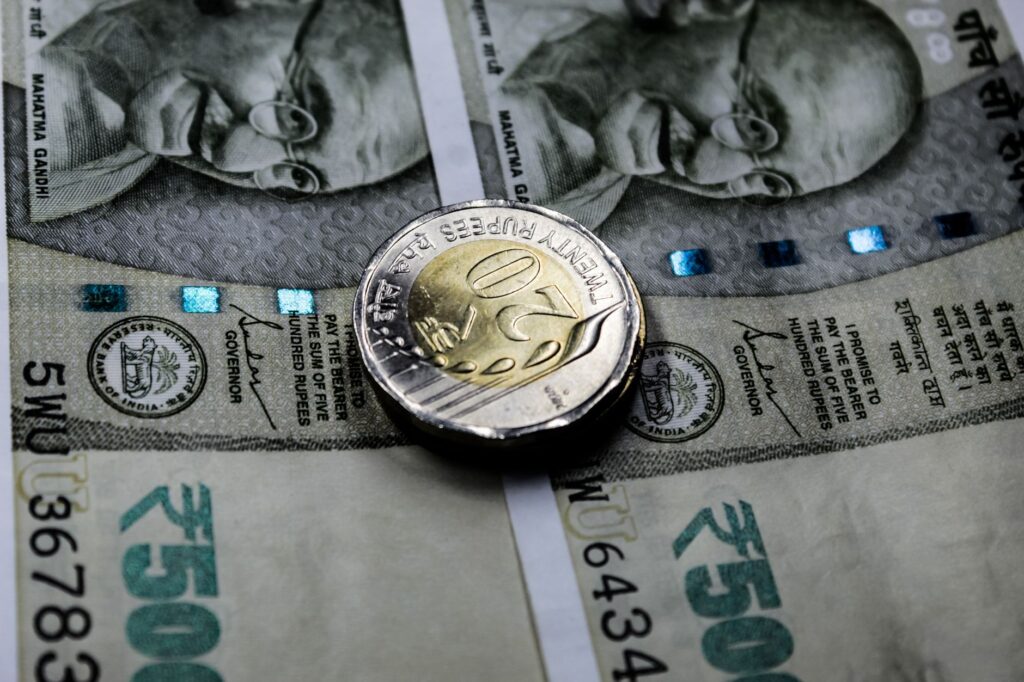
Gold and silver prices update through the day. The table below refreshes automatically; the figures were last verified on 16 August 2026.
| Metal | Unit | Indian price |
|---|---|---|
| Gold 24K | 10 grams | around ₹1,56,216 |
| Gold 22K | 10 grams | around ₹1,43,094 |
| Gold 18K | 10 grams | around ₹1,17,162 |
| Silver | 1 kilogram | around ₹2,28,894 |
Estimated from international futures and the USD/INR rate, including the usual Indian duty and GST premium. Retail rates add making charges and vary by city.
Retail rates in your city will differ from the MCX figure. Jewellers add GST at 3%, making charges, and a local premium, so the price on a bill is normally higher than the futures price quoted in the news.
Why gold is rising right now
Three forces are pushing Indian gold prices up at the same time, which is unusual and is why the move has been sharp rather than gradual.
Expectations of US rate cuts. Gold pays no interest. When US interest rates are expected to fall, the opportunity cost of holding a non-yielding asset drops, and money moves into bullion. Traders are currently positioning around US inflation data and what the Federal Reserve does next.
Geopolitical risk. Tension around Iran and the Strait of Hormuz has revived safe-haven buying. Gold’s oldest function is insurance, and insurance gets bid up when the risk looks closer.
A weaker rupee. This is the part that matters most to Indian buyers and is the least understood. India imports almost all of its gold, and it is priced internationally in dollars. When the rupee weakens against the dollar, the same ounce of gold costs more rupees, even if the international price has not moved at all.
That last point explains something readers ask constantly: why Indian gold can rise on a day when global gold falls. If the rupee weakens by more than the dollar price drops, the rupee price still goes up. The two markets are linked, not identical.
How the Indian price is actually built
The number you pay is not the number on the international screen. It is assembled in four steps.
- International spot price, quoted in US dollars per troy ounce.
- Convert to rupees per 10 grams. One troy ounce is 31.1035 grams, so the spot price is divided by 31.1035, multiplied by 10, then multiplied by the USD/INR rate.
- Add import duty at 15%, then 3% GST. Duty was raised from 6% to 15% in May 2026 — basic customs duty went from 5% to 10% and the Agriculture Infrastructure and Development Cess from 1% to 5%. Duty plus GST is what creates the gap between the international and the Indian price.
- Add local premium and making charges at the retail counter. Making charges on jewellery commonly run 8% to 25% depending on the design, and they are not recoverable when you sell.
That duty change is worth holding on to when you compare prices across years. The May 2026 increase added roughly nine percentage points to the landed cost of gold overnight, with no change whatsoever in the underlying metal — so a 2026 price set against a 2025 one is partly a comparison of two different tax regimes rather than of gold itself.
This is why a coin, a bar and a necklace of identical weight carry three different prices, and why the necklace is the worst of the three as an investment.
24K, 22K and 18K: what the purity actually means
| Purity | Gold content | Typically used for |
|---|---|---|
| 24K | 99.9% | Coins, bars, ETFs. Too soft for jewellery |
| 22K | 91.6% | Most Indian jewellery. Hallmarked as 916 |
| 18K | 75.0% | Studded and diamond jewellery, lighter designs |
Since hallmarking became mandatory, every piece should carry a six-digit HUID along with the purity mark. Check it. You can verify a HUID through the BIS Care app, and a jeweller who cannot show one is selling you something you cannot verify.
A practical rule when comparing quotes: divide the 22K price by 0.916 to get the implied 24K rate, then compare that against the day’s benchmark. If the implied rate is far above the benchmark, the difference is the shop’s premium, not the gold.
The cheapest way to own gold in India
Purity and price are only half the question. The form you buy in changes your return more than the entry price does.
| Form | Cost to own | Taxed as | Best for |
|---|---|---|---|
| Jewellery | Making charges 8-25%, not recoverable | Capital gains on sale | Wearing, not investing |
| Coins and bars | Small premium over spot | Capital gains on sale | Physical holding |
| Gold ETFs | Expense ratio, roughly 0.5% a year | Capital gains on sale | Liquidity, no storage risk |
| Sovereign Gold Bonds | No storage cost, 2.5% annual interest | Interest taxable; capital gain exempt if held to maturity | Long holding periods |
Two points worth stating plainly. Making charges are the single biggest drag on gold as an investment in India, and they vanish the moment you sell, so jewellery bought as savings starts several percent behind. And Sovereign Gold Bonds are the only form that pays you to hold gold, though they carry a long lock-in and issuance depends on the government opening a tranche.
Should you buy at these levels?
Nobody can tell you where the price goes next, and anyone who says otherwise is guessing. What can be said is more useful:
- Gold is insurance, not an engine. Most advisers suggest 5% to 15% of a portfolio. It protects against currency weakness and shocks; it does not compound like equity.
- Buying after a sharp run is how people get hurt. If you are adding to a long-term allocation, staggering purchases removes the need to be right about the timing.
- Festival and wedding demand is seasonal and predictable. Indian prices firm up ahead of the festive season regardless of global cues. If you know you need jewellery in October, buying in the quiet months is usually cheaper.
- Check the rupee, not just the gold price. A large part of the Indian move is currency. If your view is that the rupee stabilises, part of the local premium unwinds.
Gold rate today by city
The same metal costs slightly different amounts in different Indian cities. The gap is not the gold, it is everything wrapped around it.
Three things create the difference:
- Local association rates. Jewellers’ associations in each city publish a daily rate that most local shops follow. Chennai, Mumbai, Delhi and Kolkata each set their own.
- Transport and insurance from the import point to the city.
- Local dealer margin, which is competitive in high-volume markets and wider in smaller ones.
In practice, cities in the south often quote marginally lower rates than the north because of volume and competition, though the difference is usually small relative to making charges. If you are comparing a Delhi quote against a Chennai one, the making charge difference will almost always matter more than the metal rate difference.
What does not change by city: the international spot price, the import duty and the 3% GST. Anyone quoting a dramatically lower rate is either quoting a lower purity or excluding charges that appear later on the bill.
22 carat vs 24 carat: which rate applies to you
Most people searching for the gold rate want the 22 carat price, because that is what Indian jewellery is made from. Most published headline rates quote 24 carat, which is the pure metal.
The conversion is fixed and worth memorising:
- 22K is 91.6% pure. Multiply the 24K rate by 0.916.
- 18K is 75% pure. Multiply the 24K rate by 0.75.
So if 24 carat is quoted at a given rate per 10 grams, the 22 carat rate is that figure times 0.916, before making charges and GST.
The check that protects you at the counter: take the 22K price the shop quotes, divide it by 0.916, and compare the result against the day’s 24K benchmark. If the implied 24K rate is far above the benchmark, the gap is the shop’s premium, not the gold. This one calculation is the fastest way to tell a fair quote from an inflated one.
Two more purity notes. 916 stamped on jewellery means 22 carat, and it is the number to look for. And every hallmarked piece should carry a six-digit HUID alongside the purity mark, which you can verify through the BIS Care app.
What you actually pay at the counter
The rate is the starting point, not the price. A realistic bill looks like this:
- Metal value: weight in grams multiplied by the applicable purity rate.
- Making charges: commonly 8% to 25% of the metal value, depending on how intricate the design is. Machine-made chains sit at the low end; hand-crafted bridal work at the high end.
- GST: 3% on the gold value, plus 5% on the making charges.
- Hallmarking charge, a small per-piece fee.
Making charges are the number to negotiate, and they are the number that disappears when you sell. A piece bought with 20% making charges starts roughly a fifth behind on resale value, which is why jewellery is a poor savings vehicle even when the gold price rises.
If you are buying gold to invest rather than to wear, coins and bars carry a much smaller premium, and ETFs or Sovereign Gold Bonds carry none of it at all.
Common questions
Why is gold cheaper in Kerala or Chennai than in Delhi?
Local association rates, transport, octroi and dealer margins differ by city. The underlying metal is identical.
Is GST charged on gold?
Yes. 3% on the value of the gold, plus 5% on making charges.
How is gold taxed when I sell?
As a capital gain. Physical gold and gold ETFs follow the capital gains rules for the holding period concerned, and Sovereign Gold Bonds held to maturity are exempt on the capital gain.
Why does the MCX price differ from my jeweller’s rate?
MCX is a futures price for standardised bullion. Your bill adds duty, GST, making charges and the shop’s margin.
Does gold always rise when the stock market falls?
No. It often does during a crisis, which is why it is used as a hedge, but the relationship is not a rule and both can fall together in a liquidity squeeze.
The short version
Gold near ₹1.52 lakh per 10 grams and silver near ₹2.45 lakh per kilogram reflect Fed rate expectations, Hormuz tension and a weak rupee acting at once. Check the HUID, divide the 22K quote by 0.916 to compare like with like, and remember that making charges, not the headline price, are what usually decide whether gold worked as an investment.

Bhavik Vaid
Bhavik Vaid writes on Indian markets, taxation, banking and personal finance for CADialogue. He covers RBI policy, GST and income-tax changes, mutual funds and market moves, translating them into practical guidance for retail investors, salaried professionals and business owners in India.


