Gold vs Silver vs Crude Oil: Best Investment in 2026
Gold vs Silver vs Crude Oil: See which commodity may suit Indian investors in 2026 by risk, returns, liquidity, tax and market outlook.
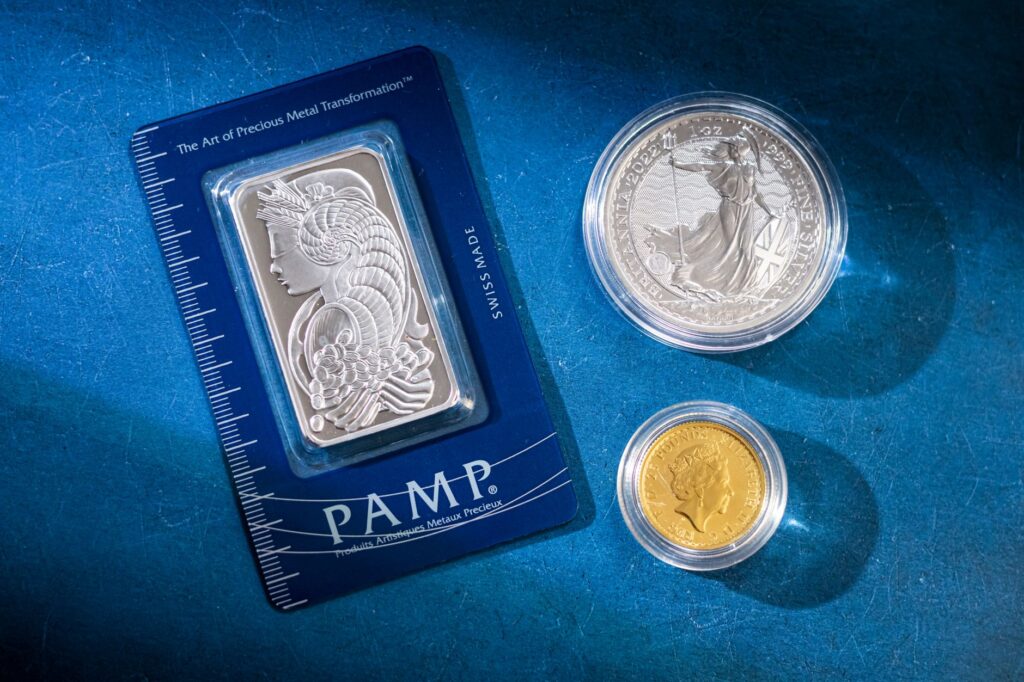
Gold vs Silver vs Crude Oil is one of the key allocation questions for Indian investors in 2026. Gold looks strongest for protection, silver offers aggressive upside, and crude oil remains a high-risk trading asset.
For retail investors, the decision should not depend only on price forecasts. It should depend on risk appetite, liquidity, tax treatment, investment route, and time horizon. Commodities can diversify a portfolio, but they behave very differently from equities, FDs, debt funds, or SIP-based mutual funds.
Gold vs Silver vs Crude Oil: 2026 commodity market setup
The 2026 commodity market has three different stories. Gold is getting support from safe-haven demand, central bank buying, geopolitical uncertainty, and Indian investment demand. The World Gold Council has noted strong domestic price momentum and continued investor interest in India’s gold market, even as high prices affect jewellery demand World Gold Council.
Silver is more cyclical. It behaves partly like gold during risk-off phases, but it is also an industrial metal used in solar panels, electronics, electric vehicles and manufacturing. This gives it better upside in a growth cycle, but also sharper downside when global demand slows.
Crude oil is the most macro-sensitive of the three. Prices react to OPEC+ supply decisions, inventories, shipping disruptions, sanctions, recession fears and US dollar movement. The US Energy Information Administration has projected softer Brent crude prices for 2026 due to supply exceeding demand EIA. That makes crude oil less attractive for passive investors.
Gold investment in 2026: best defensive commodity hedge
Gold remains the cleanest long-term commodity allocation for most Indian households. It does not generate interest like an FD or dividends like equities, but it protects purchasing power during inflation, currency weakness and financial stress.
For Indian investors, gold also has a cultural and liquidity advantage. It can be bought as jewellery, coins, bars, gold ETFs (exchange traded funds listed on NSE/BSE), gold mutual funds and digital gold. Sovereign Gold Bonds, or SGBs, have historically been popular because they offered interest and tax benefits at maturity, but new issuance availability depends on the government’s borrowing and issuance calendar.
Gold’s biggest advantage is stability relative to other commodities. It usually falls less than silver in risk-off markets and is easier to exit than physical silver. It also acts as a portfolio hedge when equities such as Nifty and Sensex turn volatile.
Key risks remain. Gold can underperform during strong equity bull markets. It can also correct sharply after a fast rally. In India, domestic prices depend on global gold prices, USD-INR movement, import duties and local demand.
Silver investment outlook: higher upside, higher volatility
Silver is not just cheaper gold. It has a dual role. It is both a precious metal and an industrial commodity. That is why silver can outperform gold when global manufacturing, solar energy, EVs and electronics demand are strong.
This makes silver attractive for aggressive investors. A small allocation can improve portfolio diversification and add growth potential. However, silver is much more volatile than gold. Prices can rise quickly, but drawdowns can also be steep.
Indian investors can access silver through physical silver, silver ETFs and fund-of-fund structures. Physical silver has storage and purity challenges. ETFs are more convenient, but investors should check expense ratio, tracking error (difference between ETF return and actual silver price movement), liquidity and taxation before investing.
Silver suits investors who can tolerate volatility and avoid over-allocation. It should usually be a satellite position, not the core of a commodity portfolio.
Crude oil investment: tactical commodity, not passive wealth asset
Crude oil is the most difficult commodity for retail investors. It is highly liquid globally and actively traded on MCX in India, but liquidity does not mean safety. Oil prices can move sharply on a single headline related to war, OPEC policy, refinery demand, US inventory data or shipping routes.
Unlike gold, crude oil is not a natural long-term wealth preservation asset. Retail investors usually get exposure through commodity futures or specialised products. Futures involve leverage, margin calls and rollover risk. Rollover risk means the investor may lose money while shifting from an expiring contract to a later contract, even if the broad price view is correct.
Crude oil can work for experienced traders, hedgers and institutions. It is not ideal for beginners, retirees or investors looking for a simple inflation hedge. If the EIA’s softer 2026 price outlook plays out, long-only crude oil exposure may face pressure unless there is a major supply disruption.
For most Indian investors, crude oil should be treated as a tactical trade, not a core allocation like equity mutual funds, debt funds or gold ETFs.
Gold vs Silver vs Crude Oil: which investor should choose what?
The Gold vs Silver vs Crude Oil decision becomes easier when matched with investor profiles:
- Conservative investors: Gold is the best fit due to lower volatility and better crisis protection.
- Aggressive investors: Silver can be considered for higher upside, but only in limited allocation.
- Long-term wealth builders: Gold can be a core commodity holding, while silver can be a smaller satellite bet.
- Active traders: Crude oil offers opportunities, but requires strict stop-losses and risk management.
- Retirees: Gold is more suitable than silver or crude oil because capital preservation matters more.
- Beginners: Start with regulated products such as gold ETFs or gold mutual funds instead of futures.
- Inflation-conscious investors: Gold remains the most straightforward hedge, while silver is secondary.
Taxation also matters. Commodity ETFs, mutual funds, physical metals and futures may be taxed differently depending on structure, holding period and income classification. Investors should check the latest tax rules or consult a CA before making large allocations.
Gold vs Silver vs Crude Oil: what this means for you
Gold vs Silver vs Crude Oil is not a question of one universal winner. It is a question of purpose.
Gold is the best commodity investment for most Indian investors in 2026 if the goal is diversification, inflation protection and capital preservation. Silver is suitable for investors who want higher return potential and can handle volatility. Crude oil is best left to experienced traders who understand leverage, global macro data and MCX risk controls.
A practical approach is to keep commodity exposure modest. For many investors, gold can form the core commodity allocation, silver can be added in small proportion, and crude oil can be avoided unless there is a clear trading strategy. Before investing, review your asset allocation, emergency fund, tax impact and risk tolerance. A SEBI-registered investment adviser can help if the investment involves futures, leverage or large-ticket commodity exposure.

Bhavik Vaid
Bhavik Vaid writes on Indian markets, taxation, banking and personal finance for CADialogue. He covers RBI policy, GST and income-tax changes, mutual funds and market moves, translating them into practical guidance for retail investors, salaried professionals and business owners in India.


