Gold at Rs 1,50,000/10g in May 2026 as Dollar Weakens
Gold at Rs 1,50,000 Per 10g in May 2026: find out how geopolitical tensions, a weak dollar and central bank buying fuel the rally
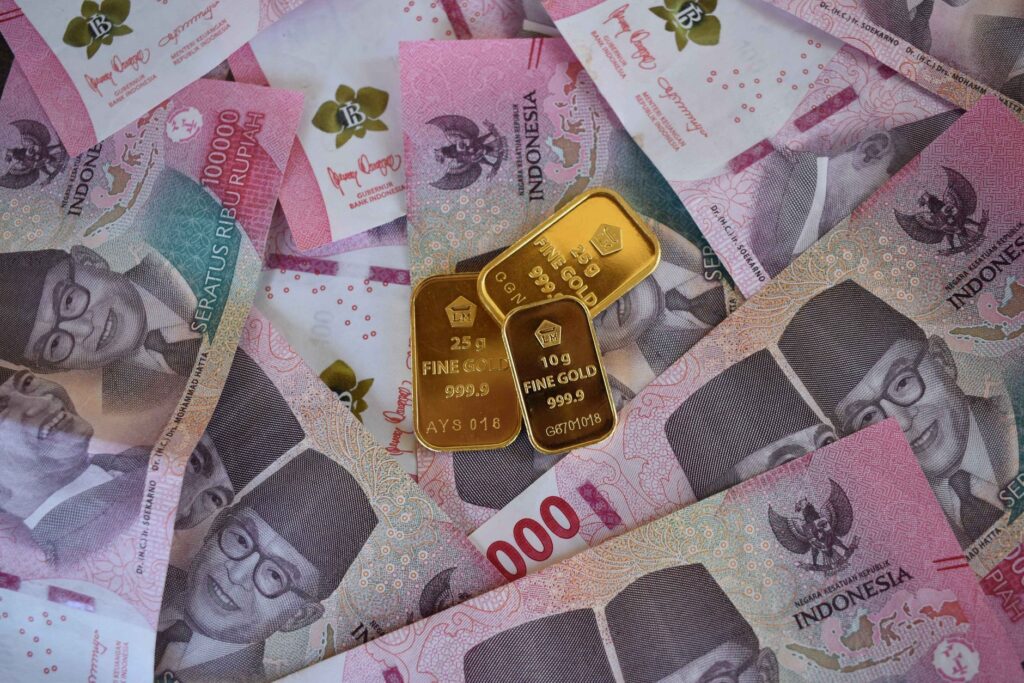

Gold prices in India have continued their remarkable upward march in May 2026, with MCX gold trading at Rs 1,49,759 per 10 grams, a level that would have seemed extraordinary just two years ago. On the MCX exchange, gold futures for June delivery opened at Rs 1,49,950 and briefly touched Rs 1,51,000 before settling, reflecting strong domestic and global demand for the yellow metal. This rise in gold prices is not an isolated incident but part of a larger trend driven by multiple global factors.
What Is Driving the Gold Rally?
- Geopolitical Tensions: Escalating conflicts in West Asia and Eastern Europe have driven investors to safe-haven assets. Gold, as the traditional hedge against uncertainty, has been a primary beneficiary. This pattern is not new; historically, gold has surged during periods of geopolitical instability, such as during the Gulf War and the financial crises of previous decades.
- Weak US Dollar: The US Dollar Index (DXY) has softened in 2026, making gold cheaper in non-dollar terms and boosting demand from central banks worldwide. A weaker dollar typically means more expensive commodities for other currency holders, but because gold is often viewed as a currency itself, its demand increases globally.
- Central Bank Buying: The Reserve Bank of India, the People’s Bank of China, and several emerging market central banks have been consistently adding gold to their reserves, creating structural demand. The past decade has seen central banks diversifying away from the US dollar, and gold has been a beneficiary of this diversification strategy.
- Inflation Hedge: Despite moderation in headline inflation, investors continue to view gold as a long-term store of value, particularly as global debt levels reach record highs. Gold has historically been seen as an inflation hedge, especially during periods when fiat currencies lose purchasing power.
- Rupee Depreciation: The rupee trading at Rs 95 per US dollar (vs Rs 83 a year ago) has amplified the domestic price of gold, even when international prices pause. This depreciation in the rupee has made gold more expensive for Indian consumers, but it has also highlighted the benefits of holding gold as a safeguard against currency fluctuations.
24K vs 22K Gold Prices (May 2026)
As of May 6, 2026, retail gold prices across major Indian cities are as follows:
- 24-carat gold: Rs 15,131 per gram (Rs 1,51,310 per 10 grams)
- 22-carat gold: Rs 13,870 per gram (Rs 1,38,700 per 10 grams)
- 18-carat gold: Rs 11,348 per gram
These prices are reflective of the quality and purity of gold. While 24K is pure gold, 22K gold contains a mix of other metals which makes it more durable while slightly reducing its gold content, therefore affecting its price. The historical preference for 24K gold in India, especially during festivals and weddings, continues to influence market dynamics.
Should You Buy Gold Now?
Financial advisors generally recommend maintaining 5-15% of an investment portfolio in gold as a diversification tool. At current levels, fresh lump-sum buying should be approached with caution given the significant price rally. Instead, investors might consider alternatives such as Sovereign Gold Bonds (SGBs), which offer an additional 2.5% annual interest on top of gold price appreciation. Gold ETFs and Mutual Funds also provide lower-cost, transparent exposure with high liquidity. These options allow investors to benefit from potential gains in gold prices without holding physical gold.
Historical Perspective
Historically, gold has been a reliable store of value, especially during times of economic uncertainty. The gold bull market of the early 2000s, which saw prices rising from near $250 to over $1,900 per ounce, serves as a reminder of gold’s potential as a wealth preserver driven by similar factors of inflation and financial instability.
Outlook
Global investment banks including Goldman Sachs and JPMorgan have set 12-month targets for gold at USD 3,500-4,000 per troy ounce, which at current exchange rates could translate to Rs 1,70,000-1,90,000 per 10 grams in India. These projections stem from ongoing issues such as global economic deceleration and sustained geopolitical tensions. However, investors should remain cautious as a key economic event, such as a strong US jobs report or a hawkish pivot by the Federal Reserve, could trigger a short-term correction in gold prices.
For Indian investors, understanding the cyclical behavior of gold and its inverse relationship with the economy is crucial when strategizing investments. The trend of increasing SIP inflows reaching a record Rs 32,087 crore in March 2026 indicates a diversification move by retail investors into varied assets, providing a hedge against fluctuating commodity prices like gold.
Nevertheless, gold remains a favoured asset class for many retail investors looking at wealth protection. With India’s cultural affinity towards gold, especially in rural areas, the metal’s demand is likely to remain robust. Investors should keep an eye on currency markets as well as geopolitical developments, as these will be significant drivers for gold prices moving forward.
Your specific investment strategies should account for your financial goals, risk tolerance, and the current market environment. Careful consideration, along with guidance from professionals, can help you determine the right amount of gold to hold in your portfolio, ensuring the right balance between growth and risk mitigation.

Bhavik Vaid
Bhavik Vaid writes on Indian markets, taxation, banking and personal finance for CADialogue. He covers RBI policy, GST and income-tax changes, mutual funds and market moves, translating them into practical guidance for retail investors, salaried professionals and business owners in India.