Commodity Trading in India: Beginner Guide to MCX Risks
A clear beginner guide to commodity trading in India, covering MCX, NCDEX, futures, margins, risks, regulatory updates and practical safety rules.
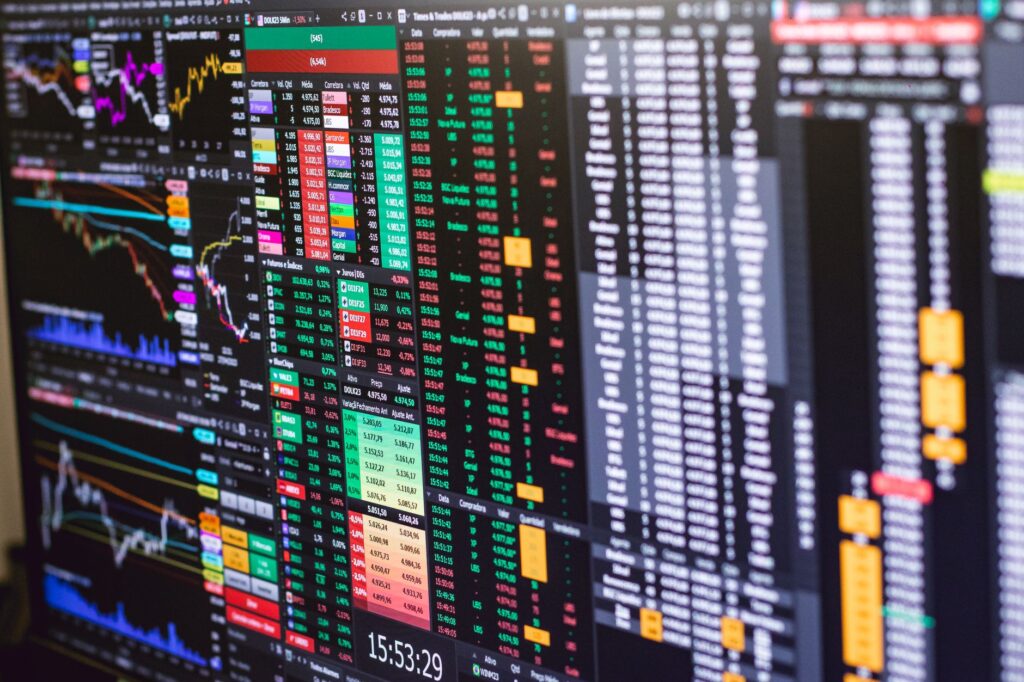
Commodity trading in India is gaining attention as investors look beyond Nifty, Sensex, SIPs and FDs for diversification. But this market is not a shortcut to quick income. It is a regulated, leveraged market where gold, crude oil, metals and agricultural products can move sharply within minutes.
For beginners, the opportunity is real, but so is the risk. Before placing your first trade on MCX or NCDEX, you must understand contracts, margins, expiry, liquidity, taxation and SEBI rules.
Commodity trading in India: how the market works
Commodity trading allows you to take exposure to price movements in raw materials and goods without necessarily buying the physical commodity. In India, most retail activity happens through commodity derivatives (financial contracts whose value is linked to an underlying commodity) on recognised exchanges.
The Multi Commodity Exchange of India, or MCX, is widely used for metals and energy products such as gold, silver, crude oil, natural gas, copper and aluminium. NCDEX is more associated with agricultural commodities such as jeera, turmeric, soybean and other farm-linked contracts.
The market serves three main purposes. Hedgers use it to manage price risk. Traders use it to speculate on price movements. Exchanges use transparent trading to support price discovery, which means the market helps determine fair prices based on demand and supply.
For retail investors, commodity trading in India is not the same as buying gold jewellery or investing in a gold ETF. You are usually trading futures or options contracts, where expiry dates, lot sizes and margin rules matter as much as price direction.
Commodity trading basics: futures, options, margins and expiry
A futures contract is an agreement to buy or sell a commodity at a fixed price on a future date. An options contract gives the buyer the right, but not the obligation, to buy or sell at a specified price. These contracts are standardised by exchanges, which means lot size, tick size, expiry and settlement rules are predefined.
Margins are central to commodity trading. Margin is the upfront money you deposit to take a position. Since you pay only a portion of the full contract value, your trade becomes leveraged. Leverage can increase gains, but it can also magnify losses.
Positions are marked to market, which means profits and losses are adjusted regularly based on current market prices. If the market moves against you, your broker may ask for additional funds. This is called a margin call. If you fail to add funds, your position can be squared off.
Expiry is another key risk. Many beginners focus only on price and ignore the contract expiry date. Some contracts may have delivery-related rules. Others may be cash-settled or require square-off before a deadline. Always read the contract specification on the exchange website before trading.
MCX and NCDEX commodity trading updates beginners should track
Commodity derivatives are regulated by SEBI. Rules can change through circulars, exchange notices and risk-management updates. This is why beginners should not rely only on old YouTube videos or social media tips.
Recent SEBI and exchange updates show why official sources matter. SEBI has clarified rules around early pay-in benefits in the commodity derivatives segment, with revised provisions effective from September 2026. This can affect delivery-related margin treatment for some contracts. SEBI has also reviewed the Settlement Guarantee Fund coverage for commodity derivatives, which is relevant for clearing and settlement safety.
SEBI has also announced a comprehensive review of the master circular for commodity derivatives as part of ease-of-doing-business measures. Separately, MCX revised trading hours from March 2026, with several non-agri commodities trading up to 11:30 PM during the applicable period. This matters because global events in crude oil, gold and base metals often unfold after Indian equity market hours.
NCDEX has also issued contract launch circulars with premium and discount details for delivery differences. Agri traders must check these carefully because delivery location, grade and quality can affect settlement.
You can track official updates on the SEBI website, MCX circulars and NCDEX circulars. For beginners, official circulars may look technical, but they are the most reliable source for rules, timings and contract changes.
Commodity trading benefits, risks and beginner checklist
The biggest benefit of commodities is diversification. Commodity prices often move due to factors different from equities. Gold may react to inflation, US dollar movement and global risk sentiment. Crude oil may move on OPEC supply decisions, geopolitics and global demand. Agri commodities may react to monsoon, acreage, crop quality and government policy.
Commodities can also provide an inflation hedge in some market cycles. However, this does not mean every commodity rises during inflation. Each product has its own demand-supply structure.
The risks are equally important. Commodity prices can be volatile. A sudden inventory report, war headline, RBI or US Fed signal, currency movement or weather update can change the trend quickly. Liquidity can also be uneven. Gold and crude oil contracts may have strong participation, while some agri contracts may be thinly traded.
Use this beginner checklist before placing any trade:
- Open a commodity trading account only with a SEBI-registered broker.
- Complete KYC and activate the commodity derivatives segment.
- Check lot size, tick size, expiry date and settlement method.
- Verify margin requirement before placing the order.
- Use a stop-loss from the beginning.
- Start with small positions and avoid maximum leverage.
- Track global news, rupee-dollar movement and commodity-specific data.
- Do not hold contracts near expiry without understanding delivery rules.
- Maintain a trading journal with entry, exit, reason, loss and learning.
- Speak to a CA for tax treatment and record-keeping.
Taxation deserves special attention. Commodity derivative gains are generally treated based on the nature of trading activity and applicable income-tax rules. Your frequency, intent, books of account and business classification can matter. A CA should review your exact case before filing returns.
What commodity trading in India means for you
Commodity trading is suitable only for investors and traders who can handle volatility, follow rules and manage risk. If you are a salaried professional or new investor, do not treat it like an FD, SIP or guaranteed-income product. It is a market-linked activity with real loss potential.
If you want passive exposure, commodity ETFs, gold funds or diversified mutual fund structures may be easier than active futures trading. If you want to trade actively, start with liquid contracts, understand margins and keep position sizes small.
The clear takeaway is simple. Commodity trading in India can add diversification and global price exposure to a portfolio, but beginners should first learn the contract, respect leverage and follow SEBI, MCX and NCDEX updates before risking meaningful capital.
Sources & references

Bhavik Vaid
Bhavik Vaid writes on Indian markets, taxation, banking and personal finance for CADialogue. He covers RBI policy, GST and income-tax changes, mutual funds and market moves, translating them into practical guidance for retail investors, salaried professionals and business owners in India.


