Forex Trading for Beginners in India: Start Safely in 2026
A practical India-focused guide to forex trading, covering legal rules, currency pairs, leverage, strategies and risk management for new traders.
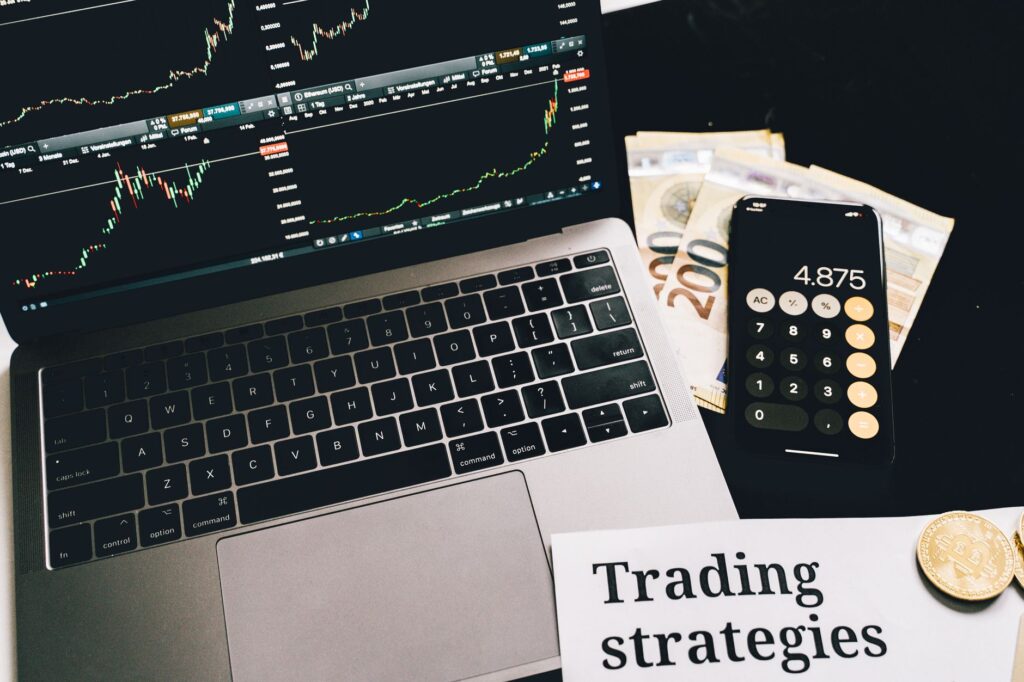
Forex trading for beginners can look exciting because the market runs almost 24 hours on weekdays and reacts quickly to global news. But for Indian investors, the first rule is not strategy, it is legality and risk control.
Forex, or foreign exchange, means buying one currency while selling another. Traders try to profit from movement in exchange rates such as USD/INR or EUR/USD. The global forex market is large and liquid, but Indian residents must follow RBI, FEMA and SEBI rules before placing any trade.
Forex trading for beginners: what it means in India
In India, retail traders do not access the global spot forex market in the same way as overseas traders. Indian residents can trade exchange-traded currency derivatives through SEBI-registered brokers on recognised exchanges such as NSE and BSE. These contracts include permitted INR pairs and certain cross-currency contracts as allowed by regulators.
This distinction matters. Many offshore apps advertise high-leverage forex or CFD trading (contracts for difference, a derivative where you do not own the asset). Indian residents should be cautious with such platforms. Trading through unauthorised foreign brokers may violate FEMA rules and can expose users to fund transfer, taxation and dispute risks.
For Indian readers, forex trading for beginners should start with a simple question: Is my broker SEBI-registered and is the contract listed on a recognised Indian exchange? You can check regulatory information on SEBI and exchange websites such as NSE.
Currency pairs, pips and leverage in forex trading
Currencies trade in pairs. In USD/INR, USD is the base currency and INR is the quote currency. If USD/INR moves from 83.00 to 83.10, the dollar has strengthened by 10 paise against the rupee.
A pip, or percentage in point, is the smallest standard price movement in many forex pairs. A lot is the standard contract size. In exchange-traded currency derivatives, contract specifications are set by the exchange, so traders must read the contract note and margin requirements carefully.
Leverage allows traders to control a larger position with a smaller margin. Margin is the upfront money required to enter a trade. Leverage can magnify profits, but it can also magnify losses. This is why forex is closer to F&O trading than long-term equity investing or SIP investing in mutual funds.
Exchange rates move due to several factors: RBI policy, US Federal Reserve rate decisions, inflation data, crude oil prices, trade deficit, capital flows, geopolitical risk and the strength of the dollar index. For USD/INR traders, RBI intervention and India’s import bill can be important triggers.
How to start forex trading for beginners, step by step
Learn before opening a live position
Start with basics such as currency pairs, bid price, ask price, spread, margin and stop-loss. A stop-loss is an order that exits your trade at a pre-decided loss level. It works like a risk brake, though execution can vary in fast markets.
Choose a regulated broker
Open an account only with a SEBI-registered broker that offers exchange-traded currency derivatives. Avoid brokers that push guaranteed returns, bonus schemes, Telegram signals or very high leverage.
Practise with small capital
If your broker offers a demo or practice platform, use it first. If not, track trades on paper for a few weeks. When you start live trading, begin with the smallest contract exposure possible and focus on process, not income.
Build a trading plan
A trading plan should define the pair, time frame, entry level, stop-loss, target, maximum daily loss and reason for the trade. Without a plan, forex trading becomes guesswork.
A sensible forex trading for beginners plan should also include a trading journal. Record every trade, including why you entered, where you exited and whether you followed your rules. This habit separates disciplined traders from impulsive traders.
Forex trading strategies and risk management rules
Beginners should avoid complex strategies in the first few months. Trend following is usually easier to understand. In this approach, you trade in the direction of the broader trend and use moving averages (indicators that smooth price data) to identify direction.
Range trading is another simple method. Here, traders buy near support and sell near resistance. Support is a price zone where buying may emerge. Resistance is a price zone where selling may appear. Breakout trading, where traders enter after price crosses a key level, can work but may create false signals.
Risk management matters more than prediction. Use these rules before every trade:
- Risk only 0.5% to 1% of your trading capital on one trade when you are new.
- Use a stop-loss based on chart structure, not emotion.
- Avoid averaging losing positions without a written rule.
- Do not trade during major RBI, US Fed, CPI or jobs data releases unless you understand volatility.
- Maintain at least a 1:2 risk-reward ratio, meaning you risk ₹1 only if the possible reward is ₹2 or more.
- Stop trading for the day if you hit your daily loss limit.
- Never borrow money, use EMI funds or break emergency FDs for trading.
Scalping, or taking many very short-term trades, is not ideal for beginners. It demands speed, low costs and emotional control. Swing trading, where positions are held for a few days, may suit working professionals better, but overnight risk and gap risk remain.
What this means for you: safer forex trading checklist
Forex trading for beginners is not a shortcut to quick income. It is a leveraged market where small price changes can create large gains or losses. Indian traders must give equal weight to regulation, taxation, risk control and psychology.
If you are starting in 2026, keep it simple. Use only SEBI-registered brokers. Trade only permitted exchange-traded currency contracts. Learn one or two pairs first, such as USD/INR or EUR/INR. Track RBI policy, US Fed decisions and inflation data. Most importantly, protect capital before chasing returns.
Forex trading can be a useful skill for finance students, CAs, exporters, importers and active traders. But it is not suitable for everyone. Treat it like a professional risk activity, not a lottery. This article is for education only and is not investment, legal or tax advice. Consult a qualified financial advisor or chartered accountant before trading.
Sources & references

Bhavik Vaid
Bhavik Vaid writes on Indian markets, taxation, banking and personal finance for CADialogue. He covers RBI policy, GST and income-tax changes, mutual funds and market moves, translating them into practical guidance for retail investors, salaried professionals and business owners in India.


