Forex and Crypto Risk Management for Indian Traders
Risk Management Strategies for Forex and Crypto Traders in India: learn position sizing, stop-loss rules and leverage tips to protect capital.
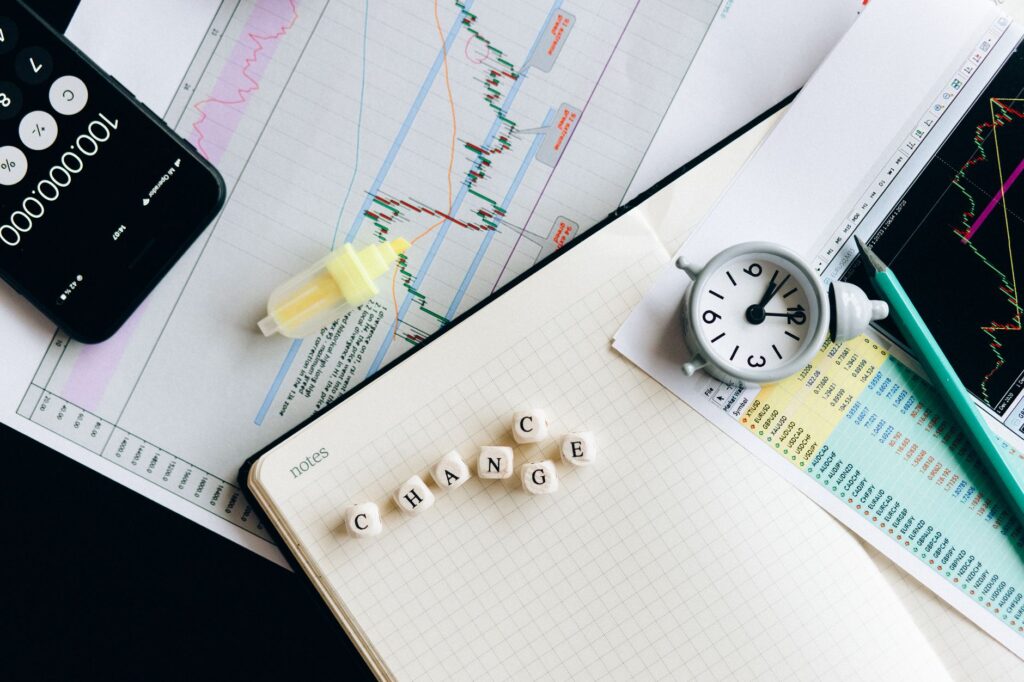
Markets do not reward confidence, they reward control. The best risk management strategies help forex and crypto traders protect capital before chasing returns.
For Indian retail traders, this matters even more. Forex rules are regulated by RBI and SEBI, while crypto assets remain highly volatile and carry limited investor protection. A profitable setup can still damage your account if position size, leverage and stop-loss are wrong.
Risk management strategies start with capital protection
Professional traders think first about how much they can lose. Profit comes second. This is because one large loss can wipe out several small gains.
The most practical rule is the 1% rule, also called the fixed fractional rule. It means you risk only 1% of your trading capital on one trade. Some experienced traders stretch this to 2%, but beginners should stay closer to 1%.
For example, if your trading capital is Rs 1,00,000, your maximum loss on one trade should be Rs 1,000 at 1% risk. This does not mean you buy only Rs 1,000 worth of currency or crypto. It means your loss, if the stop-loss is hit, should not exceed Rs 1,000.
A stop-loss (an automatic exit order placed to limit loss) is non-negotiable. A take-profit order (an automatic exit order placed to book gains) is equally useful because it removes greed from the decision.
Risk management rules for position sizing and stop-losses
Position sizing decides how much quantity you should trade. It is more important than the entry price. A good trade with poor sizing can still become a bad outcome.
Use this simple formula:
Position size = Account risk ÷ Stop-loss distance
If you have Rs 1,00,000 capital and risk 1%, your account risk is Rs 1,000. If you trade Bitcoin and your stop-loss is Rs 20,000 away from entry, your position should be Rs 1,000 ÷ Rs 20,000, or 0.05 BTC equivalent.
In forex, traders often use pips (the smallest standard price movement in a currency pair). If you trade a currency derivative and your stop-loss is 50 pips, your position should be calculated so that a 50-pip loss equals only 1% of your capital.
Risk-to-reward ratio, or R:R (expected loss compared with expected profit), should ideally be at least 1:2. If you risk Rs 1,000, your target should be Rs 2,000 or more. With a 1:2 ratio, you do not need to win every trade to survive.
ATR, or Average True Range (a volatility indicator), can help place better stop-losses. During high volatility, tight stops often get hit by normal price noise. Wider stops require smaller positions.
Risk management in forex vs crypto: key differences
Forex and crypto may look similar on a trading screen, but their risk profiles are very different.
Forex markets usually move less on a daily basis, especially in major currency pairs. In India, legal forex trading for retail participants is limited to permitted currency derivatives on recognised exchanges such as NSE and BSE through SEBI-registered brokers. RBI has also warned investors against unauthorised forex trading platforms and offshore apps. Traders should check the RBI Alert List and use regulated intermediaries.
Crypto markets trade 24/7. Bitcoin and Ethereum may remain liquid, but smaller tokens can face sharp slippage (difference between expected and actual execution price). A 5% to 20% daily move is not unusual in crypto during panic or euphoria.
This means crypto traders need smaller positions, wider stop-losses and lower leverage. Leverage (borrowed exposure that magnifies profit and loss) can destroy accounts quickly. With 10x leverage, a 5% adverse move can create a 50% loss on margin. With 50x leverage, even a small move can trigger liquidation.
These risk management strategies apply across both markets, but crypto demands stricter execution because there is no closing bell and sentiment changes fast.
Risk management checklist for Indian traders
A written checklist reduces emotional decisions. Before placing any forex or crypto trade, review this:
- Risk only 1% to 2% of capital per trade
- Use stop-loss and take-profit on every position
- Target minimum 1:2 risk-to-reward ratio
- Keep leverage low, preferably 2x to 5x for beginners
- Set a daily loss limit, such as 3% of account value
- Stop trading for the day if the loss limit is hit
- Maintain a trading journal with entry, exit, reason and emotion
- Avoid revenge trading after a loss
- Trade forex only through RBI and SEBI compliant channels
- Treat crypto as high-risk, not as a guaranteed wealth product
A trading journal is underrated. Record why you entered, where you exited and how you felt. Over time, it will show whether your losses come from strategy, poor timing or emotions such as fear, greed and FOMO.
Daily and weekly loss limits act like circuit breakers. If your account is down 3% in a day, step away. If you lose 6% to 7% in a week, reduce trade size and review your process.
What this means for you: disciplined risk management
Risk management strategies cannot remove risk. They can only make risk measurable and survivable.
For salaried professionals, finance students and new traders, the goal should not be quick doubling of capital. The first goal is to avoid account blow-ups. Start small, avoid offshore high-leverage platforms, understand Indian regulations and never trade money needed for EMIs, rent, insurance or emergency savings.
Forex and crypto trading involve substantial risk of loss. Past performance does not guarantee future returns. This article is for education only and is not investment advice. If you are unsure about product suitability, taxation or regulatory compliance, consult a SEBI-registered investment adviser or a qualified financial professional.
Sources & references

Bhavik Vaid
Bhavik Vaid writes on Indian markets, taxation, banking and personal finance for CADialogue. He covers RBI policy, GST and income-tax changes, mutual funds and market moves, translating them into practical guidance for retail investors, salaried professionals and business owners in India.


