Crude Oil Shock Puts Indian Markets on Alert
Crude oil risks are back as Gulf tensions pressure USD/INR, inflation, RBI policy and Indian equities despite steady Sensex and Nifty gains today.
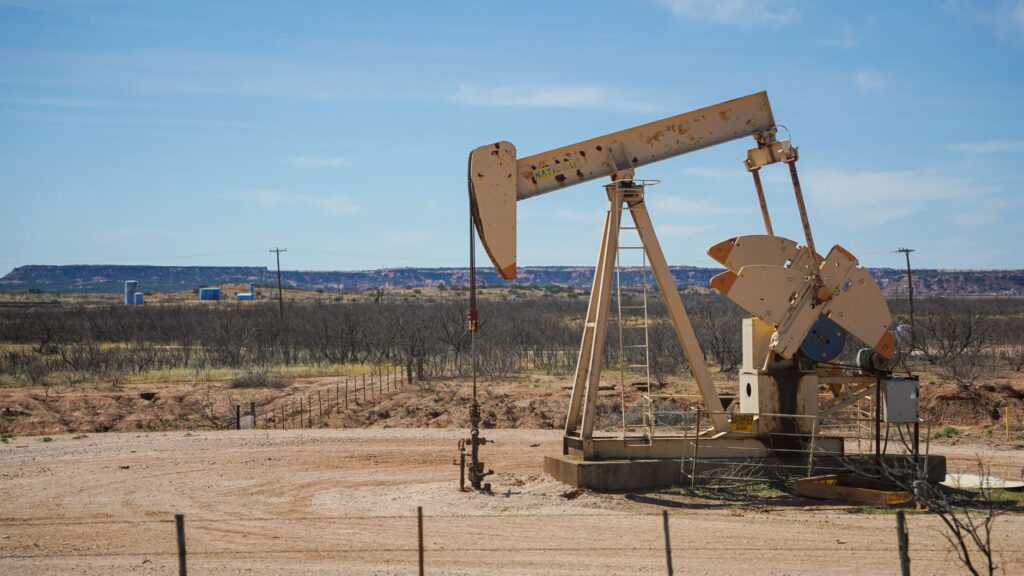
With USD/INR at ₹95.39 and the RBI repo rate at 5.25%, India enters the latest crude oil scare with little comfort to spare. The Sensex is still at 77,394.53, up +0.85% today, and the Nifty 50 is at 24,179.00, up +0.90% today. On the surface, Dalal Street looks steady. Underneath, an old worry has returned: costly crude oil.
Table of Contents
- Why Oil Is Back at the Centre of the Market Debate
- What Markets Are Pricing Now
- What This Means for Indian Retail Investors
- What to Watch Next
- Expert Insight
- Frequently Asked Questions
- Key Takeaways
Why Oil Is Back at the Centre of the Market Debate
Crude oil rarely behaves like just another commodity for India. It touches almost everything: the rupee, inflation, bond yields, corporate margins, fiscal math and household spending. When crude rises because traders fear geopolitical trouble, rather than because factories and consumers demand more energy, markets get nervous. They see higher import costs without a clear growth benefit.
The immediate trigger comes from renewed US-Iran conflict risk. Gulf tensions matter to India because the region shapes global energy flows, shipping insurance costs, tanker movement and trader psychology. Even before any clear supply disruption appears, traders move fast. A few headlines can lift crude, rattle Asian screens and force investors to reprice risk before policymakers even speak.
India knows this script well. A higher crude bill can press down on the rupee, increase the import burden, raise fuel-linked costs and make the RBI‘s inflation job harder. The RBI repo rate is already at 5.25%, so investors will ask whether oil-led inflation risk delays any future easing expectations. If crude stays expensive, markets may revisit assumptions on rate-sensitive sectors, consumption stocks and oil marketing company earnings.
Can Dalal Street shrug off expensive oil forever? Not if the rupee, inflation expectations and company margins all start flashing amber at the same time.
Asian markets also react more sharply in such phases. Foreign portfolio flows often turn cautious when energy-importing economies face currency and inflation risks. India now enjoys stronger domestic participation than it did in earlier cycles, but global money still influences large-cap liquidity, banking stocks and index direction. If the US-Iran conflict worsens, equities may not collapse in a straight line. Investors may rotate sectors, hedge positions and price in more volatility.
For Indian investors, the oil shock works a bit like a sudden fuel price jump before a long family road trip from Delhi to Jaipur. The car still runs. The plan still holds. But everyone recalculates the budget.
Takeaway: crude oil has returned as a market-moving macro variable because it directly affects India’s inflation path, rupee stability and corporate earnings assumptions.
What Markets Are Pricing Now
Indian headline indices do not show panic yet. The Sensex is at 77,394.53, up +0.85% today, while the Nifty 50 is at 24,179.00, up +0.90% today. Domestic equities still have support, at least for now, even as crude oil and Gulf risk reclaim market attention.
Global risk appetite also looks firm in the live data. The S&P 500 is at 7,543.64, up +0.81% today, and the NASDAQ is at 26,206.89, up +1.30% today. Indian equities often take cues from Wall Street, especially in technology, financials and broader risk-on trades. Even so, equity strength and macro stress can coexist for a while. Markets often price liquidity first. They worry about inflation later.
The rupee gives the sharper India-specific signal. USD/INR is at ₹95.39. A softer rupee can make crude imports costlier in local currency terms, even if global crude prices stop rising. That is why currency traders, bond dealers and equity investors now track the same chain: crude oil rises, the import bill climbs, the rupee weakens, inflation risk rises, bond yields react and equity multiples face scrutiny.
Here is how the key live indicators line up:
| Indicator | Latest reading | Move today | India market relevance |
|---|---|---|---|
| Sensex | 77,394.53 | +0.85% today | Shows domestic large-cap equities remain supported despite crude oil concerns |
| Nifty 50 | 24,179.00 | +0.90% today | Key benchmark for broad institutional sentiment on NSE |
| S&P 500 | 7,543.64 | +0.81% today | Reflects global risk appetite that can influence FII flows into India |
| NASDAQ | 26,206.89 | +1.30% today | Matters for technology sentiment and global growth stocks |
| USD/INR | ₹95.39 | Not provided | Directly affects India’s crude oil import cost in rupee terms |
| RBI repo rate | 5.25% | Not applicable | Sets the monetary policy backdrop as inflation risk returns |
| Bitcoin | $63,768.00 | Not provided | Indicates broader speculative risk appetite in global markets |
| Bitcoin in rupees | ₹6,084,244.00 | Not provided | Shows the currency-adjusted value Indian crypto investors track |
| Ethereum | $1,767.69 | Not provided | Another gauge of digital-asset risk sentiment |
The table shows a mixed, but not disorderly, market picture. Equities trade higher. Global benchmarks remain positive. Crypto risk appetite has not vanished from the live data. Yet crude oil can change the story quickly. If energy risk stays contained, Indian markets may look past the scare. If crude keeps rising, investors may demand a higher risk premium.
Oil marketing companies sit at the centre of the equity debate. When crude jumps, investors question OMC margins because input costs move before pricing comfort becomes clear. They look at downstream profitability, working capital stress and government policy signals. Without company-specific filings in the available data, one broad reading makes sense: higher crude usually creates a tougher operating backdrop for OMCs than stable or falling crude.
Aviation faces direct pressure too. Fuel forms a major airline cost, and a crude spike raises questions about fares, demand and profitability. Paints, chemicals, tyres, logistics and some consumer companies can also feel input-cost pressure, depending on how much cost they can pass on. Upstream energy producers and some energy-linked stocks may attract better sentiment when crude rises, though policy, taxation, production and balance-sheet factors shape each stock’s outcome.
Banks and financials face a more indirect hit. If crude lifts inflation expectations, bond yields can move and credit demand assumptions can shift. A weaker rupee can also hurt companies with foreign currency exposure, which then affects credit-risk assessment. The RBI’s stance matters here. With the repo rate at 5.25%, any fresh inflation worry makes the bond market more cautious about future policy flexibility.
The Nifty 50 can still rise while crude rises, particularly when domestic liquidity stays strong and global equities remain buoyant. But tolerance shrinks when crude begins to move the rupee, inflation expectations and earnings revisions at the same time.
Takeaway: current market data shows resilience, not panic, but crude oil can turn a contained geopolitical scare into a broader India macro concern.
What This Means for Indian Retail Investors
Retail investors need to separate headline fear from portfolio risk. A crude oil shock does not hit every stock equally. It hurts some business models through higher input costs, helps some through pricing power or commodity exposure, and barely touches others in direct operating terms. Investors need not dump equities blindly. They should test each holding for oil sensitivity, rupee sensitivity and margin protection.
Start with sector exposure. If a portfolio leans heavily toward businesses that consume fuel, petrochemical derivatives or imported raw materials, crude risk matters more. If it leans toward exporters with dollar revenues, a weaker rupee may offer some cushion. That benefit depends on hedging, billing currency and cost structure. Investors should avoid lazy conclusions such as “rupee weakness helps all exporters” or “oil rise hurts all companies.” Balance sheets and pricing power decide the final impact.
Then check valuation. In a crude shock, expensive stocks with weak earnings visibility can correct even when they have modest direct oil exposure. Higher inflation risk can keep discount rates elevated. When the RBI repo rate is at 5.25%, the cost of capital already matters. If crude keeps inflation anxiety alive, long-duration growth stocks will face harder questions.
Household finance also matters. Crude oil goes beyond the trading screen. If petrol, diesel and freight costs start pinching, how long before households behave more cautiously? Higher fuel-linked costs can affect discretionary spending, savings behaviour and systematic investment plan discipline. Retail investors should protect emergency funds, avoid leveraged trades and stop treating every dip as an automatic buying chance.
For mutual fund investors, the practical response lies in asset allocation, not daily noise. Equity funds with concentrated sector exposure may behave very differently from diversified funds. Debt funds can react if bond yields turn volatile. Hybrid funds, balanced strategies and staggered investment plans may reduce emotional decision-making during geopolitical events, but investors must match products with risk tolerance and time horizon.
SEBI-regulated intermediaries remain central to investor protection in volatile periods. Investors should rely on disclosures, risk-o-meter classifications, scheme documents and official exchange data from NSE and BSE. They should treat social media claims about crude oil trades or “guaranteed” hedges with suspicion. In geopolitical stress, misinformation moves fast, especially in derivatives and small-cap counters.
NSE and BSE price discovery will matter as well. When crude risk rises, intraday volatility can widen, opening gaps can increase and traders need stricter stop-loss discipline. Retail traders using futures and options should remember that volatility can expand even when the index closes higher. A positive Nifty 50 close does not mean risk has disappeared.
ICAI-linked financial reporting discipline also matters for serious investors. Companies with foreign currency borrowing, imported inputs, derivative hedges or inventory exposure must show these pressures through formal accounting and disclosures. Retail investors reading quarterly filings should track management commentary on input costs, forex exposure and hedging, not just headline profit.
Here are portfolio actions that make sense in a crude oil shock without requiring a market-timing call:
- Review direct exposure to airlines, paints, chemicals, tyres, logistics and fuel-sensitive consumption names.
- Check whether portfolio companies have pricing power or depend on absorbing input-cost shocks.
- Avoid excessive leverage in equity or derivatives trades during Gulf tension headlines.
- Track USD/INR at ₹95.39 as a live signal for imported inflation pressure.
- Revisit debt fund duration risk if bond markets become more sensitive to inflation.
- Keep emergency cash separate from equity capital.
- Use staggered investing rather than all-at-once deployment during volatile sessions.
- Read official company filings and exchange announcements before acting on stock-specific rumours.
The common mistake in an oil shock is watching only the crude chart. Indian investors must track the chain reaction: crude oil, rupee, inflation, RBI expectations, earnings, valuations and flows. Miss one link and portfolio decisions can suffer.
Takeaway: retail investors should treat crude oil as a portfolio stress test, not merely a commodity headline.
What to Watch Next
Crude oil direction and staying power
A short crude spike can create volatility without changing the investment cycle. A sustained rise does more damage. It can raise import costs, stretch working capital, lift inflation expectations and change policy commentary. Investors should focus less on one-day moves and more on whether crude stays high long enough to affect earnings assumptions.
Persistence matters most. If crude cools quickly, equities may return to earnings and liquidity. If crude stays firm, analysts may revisit sector margins and macro forecasts.
USD/INR behaviour
USD/INR at ₹95.39 gives one of the cleanest India risk signals in this episode. A weakening rupee can magnify crude pressure because India pays for energy imports in foreign currency terms. Even if crude stabilises globally, rupee weakness can keep domestic cost pressure alive.
Currency movement also affects exporters, import-heavy companies, foreign debt exposure and FII behaviour. A stable rupee would calm the equity market. A disorderly move would do the opposite.
RBI policy communication
The RBI repo rate is 5.25%, and the central bank’s inflation language will matter as much as the rate. If crude raises the perceived inflation threat, markets may adjust expectations around future policy flexibility. Bond yields, bank stocks, rate-sensitive sectors and consumption names can all react to RBI commentary.
Investors should watch the RBI’s view on imported inflation, currency stability and liquidity conditions. The rate may stay unchanged, but the tone can move markets.
FII and domestic flow balance
Foreign investors often reassess emerging-market exposure when oil, the dollar and geopolitical risk rise together. India’s domestic investor base offers support, but foreign flows still influence large caps and index-heavy sectors. If global risk appetite stays strong, India may absorb the crude scare better. If foreign selling appears alongside rupee pressure, volatility can increase.
Retail investors should not assume that domestic flows will cancel every external shock. Liquidity helps. Valuation and macro risk still matter.
OMC and fuel-sensitive sector commentary
Oil marketing companies, airlines, logistics firms, paint makers, chemical companies and other fuel-linked sectors need close monitoring. Investors should not rely only on stock price moves. Management commentary, exchange filings and analyst updates will show whether crude pressure looks temporary or has started to hurt margins.
This is where company-specific work matters. Broad index strength can hide stress in individual sectors.
Takeaway: the next phase depends on whether crude oil pressure remains temporary or begins to transmit into the rupee, inflation expectations and earnings revisions.
Expert Insight
Energy-market analysts tracking India’s macro setup argue that the first-order impact of the US-Iran conflict goes beyond higher crude oil. Duration matters. So does the rupee. Their framework runs simply: if crude rises but global risk appetite stays firm, Indian equities can remain resilient; if crude rises along with rupee pressure and inflation anxiety, investors should expect sharper sector rotation and more cautious earnings assumptions. Takeaway: the market can handle a short oil scare, but it will struggle with a sustained crude oil and currency squeeze.
Frequently Asked Questions
Will crude oil prices hurt the Indian stock market?
Crude oil can hurt Indian equities if the rise is sustained and feeds into inflation, rupee pressure and corporate margin stress. The immediate market reaction is not always negative, as seen with the Sensex at 77,394.53, up +0.85% today, and the Nifty 50 at 24,179.00, up +0.90% today. The risk grows if crude oil pressure starts affecting earnings expectations across sectors.
Which Indian sectors are most affected by higher crude oil?
Fuel-sensitive and import-dependent sectors usually face the first pressure. Oil marketing companies, aviation, logistics, paints, chemicals and tyres often come under investor scrutiny when crude oil rises. The actual impact depends on pricing power, hedging, inventory position and regulatory signals.
Is a weak rupee bad for Indian investors?
A weaker rupee can raise India’s import costs, especially for crude oil, and may add to inflation concerns. USD/INR is at ₹95.39, so investors should track whether currency pressure remains orderly or becomes sharper. Exporters may gain in some cases, but the benefit depends on costs, hedges and business mix.
What should mutual fund investors do during an oil shock?
Mutual fund investors should avoid panic redemptions based only on geopolitical headlines. They should review sector concentration, debt fund duration risk and overall asset allocation. Staggered investing can help reduce timing risk when crude oil and currency volatility rise.
Can RBI action control oil-driven inflation?
The RBI can influence domestic liquidity, rates and inflation expectations, but it cannot directly control global crude oil prices. With the repo rate at 5.25%, markets will watch how the RBI describes imported inflation and currency risks. Policy communication can calm markets if investors believe inflation remains manageable.
Takeaway: retail investors should focus on transmission channels rather than only the crude oil headline.
Key Takeaways
- Crude oil has returned as a central risk for Indian markets because it affects the rupee, inflation, bond yields and corporate margins.
- The Sensex is at 77,394.53, up +0.85% today, and the Nifty 50 is at 24,179.00, up +0.90% today, showing resilience for now.
- USD/INR at ₹95.39 is a key signal because rupee weakness can amplify the domestic impact of higher crude oil.
- The RBI repo rate at 5.25% makes inflation commentary especially important for bond and equity investors.
- OMCs, airlines, logistics, paints, chemicals and other fuel-sensitive sectors need closer monitoring.
- Retail investors should review portfolio oil sensitivity instead of making blanket buy or sell decisions.
- Use official NSE, BSE, SEBI-regulated disclosures and company filings rather than unverified market rumours during geopolitical volatility.
Takeaway: stay invested with discipline, but stress-test your portfolio for crude oil, rupee and inflation risk.
Disclaimer: This article is for informational purposes only and does not constitute investment advice. Please consult a SEBI-registered financial advisor before making investment decisions.
Sources & references

Bhavik Vaid
Bhavik Vaid writes on Indian markets, taxation, banking and personal finance for CADialogue. He covers RBI policy, GST and income-tax changes, mutual funds and market moves, translating them into practical guidance for retail investors, salaried professionals and business owners in India.


