Hormuz Shock: Could Crude Spike Trip Nifty This Week?
Nifty traders can track Hormuz-driven crude risk, USD/INR at Rs 95.79 and repo at 5.25% for clues on inflation, margins and FII flows now.
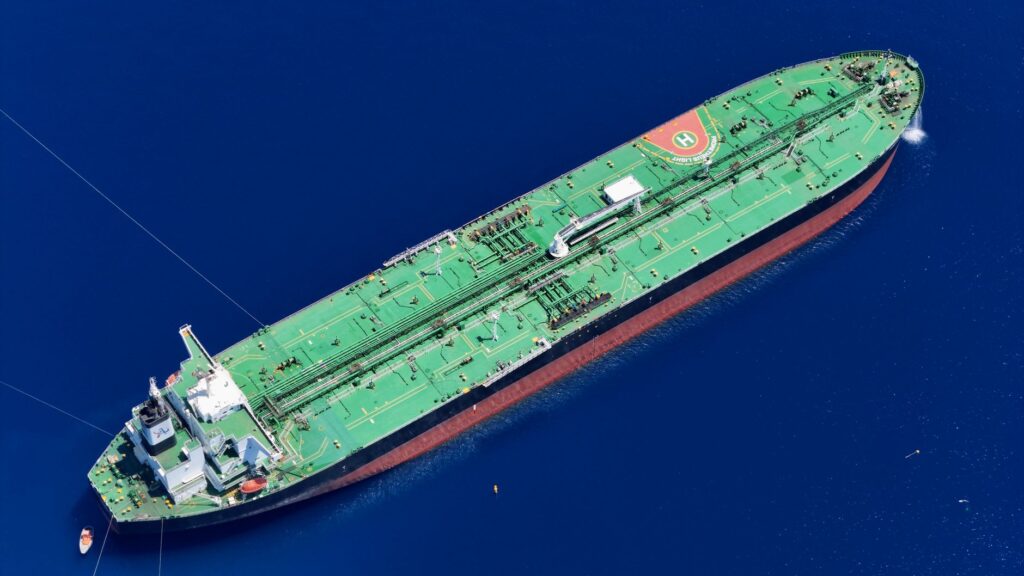
Nifty is not slipping in a vacuum. As of 2026-07-13, the Nifty 50 trades at 24,143.15, down -0.26% today, while USD/INR sits at ₹95.79 and the RBI repo rate remains 5.25%. Put those three together, and the market’s worry becomes easy to read. If the Strait of Hormuz shock pushes crude oil higher, Indian equities may quickly move from tracking geopolitics to worrying about inflation, the rupee, margins and FII flows.
Table of Contents
- Why Hormuz Risk Is Back on Dalal Street’s Screen
- Nifty Near Term Setup Global Calm Local Stress
- What This Means for Indian Retail Investors
- What to Watch Before Taking Fresh Nifty Bets
- Expert Insight
- Frequently Asked Questions
- Key Takeaways
Takeaway: the market is not just tracking a geopolitical headline; it is pricing a possible chain reaction across oil, rupee, inflation and risk appetite.
Why Hormuz Risk Is Back on Dalal Street’s Screen
The latest bout of nerves in Indian equities comes from West Asia. Reports around Iran’s move to close the Strait of Hormuz have pushed investors back to one of India’s oldest market anxieties: an oil supply shock. India does not need missiles on its doorstep to feel the heat. A sustained crude oil jump can hit the import bill, weaken the rupee, raise inflation expectations and squeeze corporate margins.
That explains why Nifty traders now watch a shipping route almost as closely as quarterly earnings commentary. For India, energy does not sit in some faraway global corner. It runs through truck freight, airline fuel, paint inputs, chemical costs, household budgets and the RBI’s inflation reading. Like a sudden spike in onion prices before an election season, crude can move from a commodity issue to a political, economic and market issue with surprising speed.
How long can Dalal Street ignore a tanker route when that route can alter India’s inflation math? Not very long.
The domestic market has entered this phase with Nifty at 24,143.15, down -0.26% today, and Sensex at 77,378.70, down -0.25% today. These numbers do not signal panic. They signal hesitation. When indices trade near elevated levels and a global risk event lands on traders’ screens, investors ask a sharper question: does this dip offer an entry point, or does it mark the start of a wider risk-off move?
The answer depends less on the first headline and more on how long the stress lasts. A short scare can trigger volatility and sector rotation. A longer disruption can force investors to reprice Indian equities across a wider set of assumptions. For Nifty, that difference matters because the index will move according to how investors classify the shock: temporary noise or durable macro risk.
The first clear takeaway: Nifty can handle headline volatility, but a sustained oil and rupee shock would create a very different market problem.
Nifty Near Term Setup Global Calm Local Stress
This market has an odd split. Global risk appetite still looks reasonably firm, but India has its own stress points. The S&P 500 trades at 7,575.39, up +0.42% today, and NASDAQ trades at 26,281.61, up +0.29% today. Those readings show that global equities have not moved into broad risk-off mode. Yet Indian benchmarks look softer, with Nifty 50 at 24,143.15 and Sensex at 77,378.70.
Why the divergence? India reacts differently to a crude shock. Higher oil can hurt India even if US equities stay resilient. If global investors see higher energy costs, a firmer dollar backdrop and pressure on emerging-market currencies, they can reduce India exposure without waiting for a worldwide equity selloff. That brings FII flows right back to the centre of the Nifty debate.
Here is the live market snapshot that frames the week:
The table captures the tension neatly. Global assets do not show broad panic, but Indian equities still carry a domestic vulnerability. Crude oil affects inflation expectations, import costs and the rupee. A weaker rupee at ₹95.79 can also raise the landed cost of imports. Together, these pressures can hurt sectors that depend on petroleum-linked inputs and companies with foreign-currency expenses.
For Nifty, the market may follow one of three paths this week. In the relief path, the Strait of Hormuz issue does not escalate, and traders return to quality large caps after a manageable dip. In the range-bound path, tense headlines continue, but uncertainty over physical disruption keeps Nifty swinging without a clear trend. In the risk-off path, crude oil rises sharply, USD/INR stays under pressure, and investors cut exposure to oil-sensitive sectors and emerging-market risk.
Nifty matters more than individual headlines because the index reflects a broad consensus across banks, energy-linked names, industrials, consumption, IT and defensives. If only one or two sectors weaken, the index can hold its ground. If the oil shock becomes a currency and inflation shock, the damage spreads. That is when Nifty can lose near-term support.
Investors should also separate price action from story-telling. A daily decline of -0.26% in Nifty does not amount to a crash. It shows caution. Markets often price geopolitical risk in stages: first the headline, then the commodity move, then currency pressure, then earnings risk. The current setup appears to sit between the first and second stage, so the next few sessions may tell investors more than the first reaction did.
What could make the market more fragile? Rising energy prices, sustained rupee weakness, softer domestic breadth and renewed foreign selling. What could steady it? Firm global equities, contained currency movement, policy confidence and buying through domestic institutional channels. The challenge for retail investors lies in the timing. These variables can change during the trading day, not just after the closing bell.
The clear takeaway: Nifty is not signalling panic yet, but the index is vulnerable if oil stress starts feeding into rupee pressure and FII flows.
What This Means for Indian Retail Investors
For retail investors, the Hormuz shock is less about predicting geopolitics and more about managing portfolio exposure. Can you really forecast how West Asia develops over the next few sessions? Probably not. But you can control position size, sector concentration, stop-loss discipline and the quality of stocks you own.
The first practical point concerns sector sensitivity. Aviation, paints, chemicals, logistics and some consumer businesses may face margin concerns if crude oil stays elevated. Oil marketing companies can also see sharp moves depending on how the market reads pricing, policy and margins. Exporters with dollar revenues may attract attention if the rupee remains weak, though valuations and company-specific factors still count.
The second point concerns inflation. If fuel and input costs rise, investors may find it harder to read the RBI’s comfort zone. The repo rate is 5.25%, and the central bank will not ignore a commodity-led inflation impulse if it persists. For equity investors, that means rate-cut expectations, bond yields and valuation multiples can all return to the Nifty conversation.
The third point concerns currency. USD/INR at ₹95.79 is not a background number. It is a live market signal. A weaker rupee can help some exporters, but it can hurt import-heavy businesses. It also shapes how global investors view Indian assets. If foreign investors see oil risk and currency risk moving against India at the same time, FII flows can turn more cautious.
Retail investors should avoid one common mistake: selling diversified investments only because a headline looks alarming. A Nifty mutual fund or index fund does not carry the same risk as a leveraged futures position. Long-term investors can handle volatility better than traders, but only if their asset allocation makes sense. Traders, by contrast, must respect gap risk. Overnight geopolitical news can make stop-loss execution difficult.
Why should a salaried investor in Pune or Kochi trade a West Asia shock like a full-time derivatives desk? That is the question many portfolios need to answer before the next order goes in.
SEBI, NSE and BSE frameworks also matter in such phases. Indian markets use surveillance, margining and risk-management systems to reduce disorderly trading. These systems do not remove losses. They do not guarantee liquidity at every desired price. But they give the market a structure in which price discovery can continue during volatile periods.
For investors using derivatives, the risk looks sharper. Nifty options can appear attractive during event-heavy weeks, but premiums can move violently when uncertainty rises. A directional bet without a defined risk plan can become expensive quickly. If you are not a full-time trader, this is not the week to treat geopolitics as entertainment.
For direct equity investors, the checklist should stay simple:
- Does the company have high exposure to fuel or petroleum-linked inputs?
- Can the company pass on cost increases without hurting demand?
- Does it carry foreign-currency borrowing or import-heavy costs?
- Does a weaker rupee help or hurt its operating model?
- Are valuations already pricing perfection?
- Is the balance sheet strong enough to handle a margin squeeze?
- Is your position size small enough to survive volatility?
For mutual fund investors, the key is not to panic-switch. If your portfolio already holds a mix of large-cap, flexi-cap, debt and emergency cash, a Nifty correction may not need immediate action. If your portfolio leans heavily toward one theme, one sector, or leveraged trading products, the current environment calls for a review.
RBI commentary will also matter. The central bank does not respond mechanically to every oil move, but it watches second-round effects: transport costs, inflation expectations, currency pressure and financial stability. If investors sense stickier inflation risks, equity valuations may face pressure even if corporate earnings remain steady.
ICAI-linked accounting and audit discipline also becomes relevant at the company level. Investors should read disclosures on hedging, foreign-currency exposure, inventory valuation and contingent risks more carefully during commodity shocks. These may sound like back-office details, but they often explain why two companies in the same sector react differently to the same oil move.
The clear takeaway: retail investors should not try to predict the Strait of Hormuz headline; they should audit portfolio exposure to oil, rupee, leverage and valuation risk.
What to Watch Before Taking Fresh Nifty Bets
The next few sessions will show whether this is only a headline scare or a deeper macro repricing. Nifty traders should track a compact set of signals rather than chase every rumour. The right question is not “will the market fall?” The right question is “which variable is confirming stress?”
Crude oil direction
Crude oil gives the first signal because it converts geopolitical risk into India’s macro math. Markets can digest a one-day jump. A sustained climb changes the discussion around inflation, margins and currency. If energy prices stay elevated, Nifty may struggle to ignore the risk even if global equities remain calm.
USD/INR movement
USD/INR at ₹95.79 already gives traders a clear reference point. If the rupee weakens further alongside oil concerns, investors may begin pricing a wider macro shock. A stable rupee, however, would help contain the damage and reduce pressure on import-heavy sectors.
FII flows
FII flows matter because foreign investors often move quickly when emerging-market risk rises. If global funds reduce exposure to India while crude pressure builds, Nifty may face selling beyond oil-sensitive pockets. If foreign selling remains contained, domestic liquidity may cushion the index.
Domestic market breadth
Nifty can look stable even when the broader market weakens. Investors should watch whether declines spread across midcaps, smallcaps and sector indices, or remain concentrated in a few oil-sensitive themes. Weak breadth would show that the market is cutting risk more broadly.
RBI and policy tone
The repo rate is 5.25%, and inflation sensitivity remains central to the market’s policy expectations. Any signal that policymakers are watching imported inflation more closely can influence bond yields, rate expectations and equity valuations. Nifty will respond not only to what oil does, but also to what the market thinks the RBI may need to do if the shock persists.
The clear takeaway: before adding aggressive Nifty exposure, investors should demand confirmation from oil, rupee, breadth and foreign flows rather than reacting to one headline.
Expert Insight
Market strategists at domestic brokerages generally read oil-led geopolitical shocks through three layers: commodity price, currency response and earnings transmission. In their view, Nifty can remain resilient if the Strait of Hormuz risk stays headline-driven and global equities hold firm. The risk premium rises, however, if crude oil strength combines with rupee weakness and cautious FII flows.
Duration matters most. A short disruption creates volatility. A sustained shock can force analysts to revisit inflation assumptions, sector margins and index-level valuations.
The clear takeaway: the market can live with volatility, but it does not ignore a persistent oil-currency shock.
Frequently Asked Questions
Will Nifty fall if crude oil rises this week?
Nifty can come under pressure if crude oil rises sharply and investors expect higher inflation, weaker margins or rupee pressure. The impact is not automatic, because global sentiment, domestic liquidity and sector rotation also matter. A short spike may create volatility; a sustained move can become a broader market risk.
Should I sell my Nifty mutual fund because of the Strait of Hormuz issue?
A diversified Nifty mutual fund should not be sold purely because of one geopolitical headline. If your investment horizon is long and your asset allocation is balanced, volatility is part of the journey. Review your risk level, but avoid panic decisions unless your portfolio is overexposed or leveraged.
Which Indian sectors are most vulnerable to higher oil prices?
Sectors with high fuel costs, petroleum-linked inputs or import dependence can face pressure when oil rises. Aviation, logistics, paints, chemicals and some consumer businesses may see margin concerns if costs cannot be passed on. Stock selection matters because balance sheets, pricing power and hedging policies vary widely.
Does a weaker rupee hurt the Nifty?
A weaker rupee can hurt import-heavy companies and increase concern about inflation. It can help some exporters, but that benefit depends on demand, margins and hedging. With USD/INR at ₹95.79, currency moves deserve close attention because they can influence both earnings expectations and foreign investor behaviour.
Is this a good time to buy the Nifty dip?
A dip can be attractive only if your risk plan is clear. Long-term investors can use staggered buying rather than making one large purchase during a volatile week. Traders should be more cautious because geopolitical news can create overnight gaps and fast reversals.
The clear takeaway: retail investors should match their Nifty action to their time horizon, not to the loudest headline of the day.
Key Takeaways
- Nifty 50 trades at 24,143.15, down -0.26% today, while Sensex trades at 77,378.70, down -0.25% today.
- The Strait of Hormuz risk matters for India because an oil shock can affect inflation, the rupee, corporate margins and investor risk appetite.
- USD/INR at ₹95.79 is a critical signal; currency pressure can amplify the equity-market impact of higher energy costs.
- The RBI repo rate is 5.25%, so investors should watch whether oil-led inflation risk changes policy expectations.
- FII flows can decide whether the Nifty absorbs the shock or faces broader selling pressure.
- Retail investors should avoid leveraged bets unless they have a defined risk plan and can handle gap risk.
- The best strategy is to track oil, rupee, market breadth and policy tone before taking fresh aggressive positions.
Disclaimer: This article is for informational purposes only and does not constitute investment advice. Please consult a SEBI-registered financial advisor before making investment decisions.
Sources & references

Bhavik Vaid
Bhavik Vaid writes on Indian markets, taxation, banking and personal finance for CADialogue. He covers RBI policy, GST and income-tax changes, mutual funds and market moves, translating them into practical guidance for retail investors, salaried professionals and business owners in India.


