Rupee Rebounds as Oil Relief Helps INR; Dollar Risk Stays
Rupee Rebounds as Oil Relief Helps INR, easing import-bill pressure, but dollar risks keep USD/INR volatility in focus for investors.
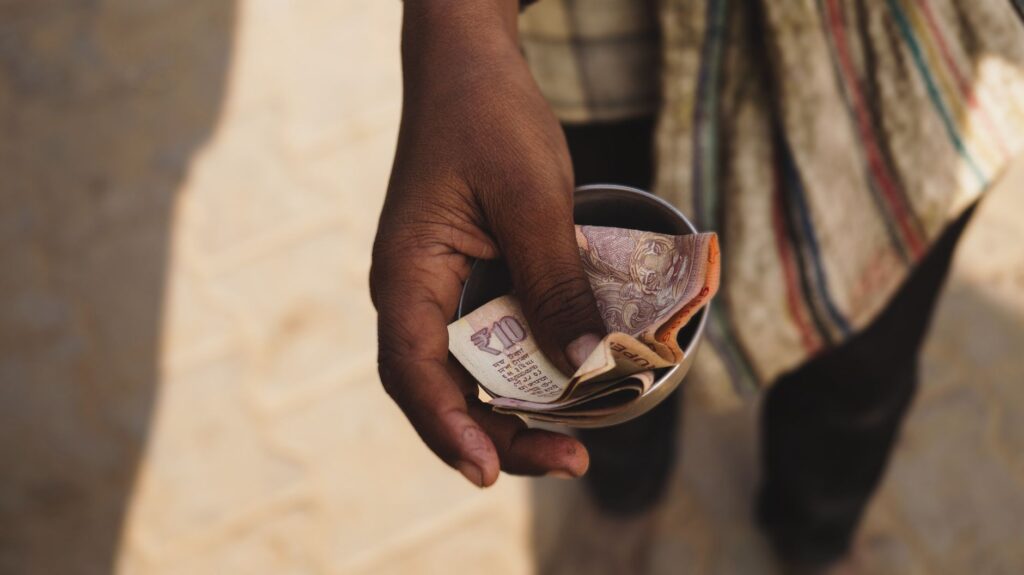
The rupee gets rare help from oil. USD/INR stands at ₹95.23 as of 2026-07-08, after a sharp shift in crude-market sentiment eased pressure on India’s import bill. But this is not a clean all-clear: the dollar remains firm, oil prices are still sensitive to Middle East risk, and Indian investors cannot ignore currency volatility.
Table of Contents
- Why the Rupee Is Catching a Bid
- USD INR Rebound: What the Latest Market Data Shows
- Why This Matters for Indian Retail Investors
- What to Watch Next
- Expert Insight
- Frequently Asked Questions
- Key Takeaways
Why the Rupee Is Catching a Bid
The immediate trigger for the rupee’s rebound is oil relief. The Hindu BusinessLine reported that the rupee appreciated 15 paise to 95.28 against the US dollar in early trade after reports that Saudi Arabia slashed August crude oil prices for Asia amid easing geopolitical tensions in the Middle East. For India, that matters because oil prices directly feed into the import bill, dollar demand, inflation expectations and, eventually, the USD INR path.
Forex traders cited a lower Middle East risk premium and higher traffic from the Strait of Hormuz as factors keeping oil prices lower. That is a crucial detail. When the market believes supply routes are less threatened, crude risk premiums ease, and importers feel less immediate pressure to chase dollars aggressively. When that happens, USD INR can cool even if global dollar sentiment remains uncomfortable.
The oil story, however, is not one-way. The same report also noted that Brent crude, the global oil benchmark, was trading higher by 0.64 per cent at $72.45 per barrel in futures trade, as renewed security concerns in the Strait of Hormuz offset expectations of strong global crude supplies. A tanker transiting near the Strait of Hormuz was reportedly struck by a projectile off the coast of Oman, causing a fire but no casualties. So what should investors believe: oil relief or oil risk? The honest answer is both.
The rupee’s near-term bounce reflects lower import-cost anxiety. The continuing risk reflects the fact that energy markets can reverse quickly when security headlines return. For USD INR, that means the market may reward good oil news, but it will not stop pricing geopolitical risk.
Takeaway: the rupee has gained breathing room from oil relief, but USD INR remains hostage to the next move in crude and the dollar.
USD INR Rebound: What the Latest Market Data Shows
The live market picture is mixed. USD/INR is at ₹95.23 as of 2026-07-08. Indian equities are under pressure, with the Sensex at 77,828.27, down -0.45% today, and the Nifty 50 at 24,263.30, down -0.55% today. That combination tells us something important: the rupee can rebound on oil relief even when equities are not giving a strong risk-on signal.
The earlier forex move was also notable. At the interbank foreign exchange market, the rupee opened at 95.33 and later touched 95.28 against the American currency, registering a gain of 15 paise from its previous close. On Monday, the rupee had settled at 95.43 against the US dollar. Those levels show how quickly sentiment can shift when oil and dollar demand expectations change.
The Hindu BusinessLine report cited Anil Kumar Bhansali, Head of Treasury and Executive Director, Finrex Treasury Advisors LLP, as saying the positive factor for the Indian rupee was Saudi Arabia slashing Asia oil prices by $11 per barrel in a record cut in the last 26 years amid improving supply conditions. The same report also noted that Indian Oil and HPCL had placed tenders to buy 7 million barrels of crude, keeping the US dollar well bid in the last few days. That is the tension in the USD INR market: oil relief helps sentiment, but actual importer dollar demand can still keep the greenback supported.
Here is the clean market snapshot investors should track:
| Indicator | Latest verified data | What it signals for investors |
|---|---|---|
| USD/INR | ₹95.23 | The rupee has rebounded, but the dollar remains a major risk variable |
| Rupee early-trade move | Appreciated 15 paise to 95.28 | Oil-price relief improved forex sentiment |
| Previous USD/INR close | 95.43 | The rupee recovered from the prior session’s weaker level |
| Interbank open | 95.33 | The move began with a firmer start for the rupee |
| Brent crude futures | $72.45 per barrel, higher by 0.64 per cent | Oil relief is not risk-free because geopolitical concerns remain active |
| Dollar index | 100.86, up 0.01 per cent | The dollar is not collapsing; USD INR downside may stay limited |
| Sensex | 77,828.27, down -0.45% today | Domestic equities are not confirming a broad risk rally |
| Nifty 50 | 24,263.30, down -0.55% today | Equity weakness can temper rupee optimism |
| RBI repo rate | 5.25% | The domestic monetary-policy anchor remains relevant for currency expectations |
The dollar index, which gauges the greenback’s strength against a basket of six currencies, was trading at 100.86, up 0.01 per cent, according to the source report. This is not a dramatic move, but it matters. If the dollar index stays firm, USD INR may not fall sharply even if oil prices offer relief. Importers tend to use dips in USD INR to cover exposure, while exporters may delay conversions if they expect the dollar to remain resilient.
Domestic equity flows also deserve attention. The source report said Foreign Institutional Investors purchased equities worth Rs 243.03 crore in the domestic equity market on Monday, according to exchange data. FII buying can support the rupee because foreign inflows require conversion into local currency. But one session of buying does not remove the larger dollar risk. If global risk appetite weakens, foreign investors can turn cautious, especially when US equities are soft and emerging-market currencies are volatile.
Global equities are not offering a strong tailwind either. The S&P 500 is at 7,503.85, down -0.45% today, while the NASDAQ is at 25,818.69, down -1.16% today. A weaker US equity session can influence global risk appetite, which matters for India because foreign portfolio flows often react to global risk cues. When investors cut risk globally, emerging-market currencies can face pressure even if local fundamentals improve.
Crypto also reflects the broader risk backdrop. Bitcoin trades at $62,549.00, or ₹5,957,958.00, and Ethereum trades at $1,750.45. These assets do not drive USD INR directly, but they often sit inside the same global liquidity conversation. When dollar strength rises and risk appetite weakens, high-volatility assets and emerging-market currencies can both feel pressure.
So where does this leave the rupee? It leaves it better placed than it was when oil risk was dominating the conversation, but not insulated. USD INR at ₹95.23 still demands risk management from importers, exporters, borrowers and investors with foreign exposure.
Takeaway: the rupee’s rebound is real, but USD INR is still being pulled between oil relief, dollar firmness, importer demand and global risk sentiment.
Why This Matters for Indian Retail Investors
Currency moves rarely stay inside the forex dealing room. They move through imported inflation, corporate margins, foreign fund flows, travel budgets, education costs, gold sentiment, sector performance and even mutual-fund returns. A stronger rupee can reduce some pressure on import-heavy businesses, while a weaker rupee can support export earners but hurt companies with dollar costs.
For Indian retail investors, the first question is simple: does USD INR at ₹95.23 change portfolio strategy? It should change how investors think about risk, not necessarily trigger sudden portfolio churn. Currency is one layer of market risk. It interacts with crude, rates, equity valuations and capital flows. When oil prices ease, India’s macro sentiment improves. When the dollar remains firm, that improvement may not translate into a sustained rupee rally.
Import-sensitive sectors can get sentiment support when oil prices soften. Companies with overseas debt, imported raw materials or high energy exposure may benefit from a more stable rupee and lower commodity anxiety. Export-focused businesses, on the other hand, may prefer a relatively firm dollar because revenue translation can improve when foreign earnings are converted back into rupees. But investors should avoid simplistic assumptions. A company’s hedging policy, pricing power and cost structure often matter more than the headline USD INR level.
This is where regulation and disclosure matter. Listed companies disclose forex exposure, hedging impact and accounting treatment through exchange filings and financial statements. SEBI‘s disclosure framework pushes listed companies to communicate material information to investors through recognised platforms such as NSE and BSE. Investors should read those filings rather than rely only on price action. If a company says forex movement affected margins according to the company’s filing, that is more useful than guessing based on the rupee chart.
The RBI remains central to the currency conversation. The RBI repo rate is 5.25%, and rate expectations shape the rupee through interest-rate differentials, bond-market sentiment and foreign investor appetite. The central bank also watches volatility, liquidity and inflationary spillovers from imported commodities. For investors, the key is not to predict every RBI action; it is to understand that currency volatility can influence the policy debate, especially when oil and the dollar move together.
Retail investors also need to think about personal finance. Planning foreign travel? Paying overseas tuition? Holding international mutual funds? Buying imported goods? USD INR matters directly. A weaker rupee raises the rupee cost of dollar-linked spending. A stronger rupee can offer a window to plan payments or rebalance foreign exposure, but trying to time the exact currency bottom is usually a poor strategy.
Here are the practical channels through which USD INR affects Indian investors:
- Imported inflation pressure, especially when oil prices rise sharply
- Corporate margins for businesses with dollar costs or foreign-currency debt
- Exporter earnings translation when overseas revenue converts into rupees
- FII flows into Indian equities and debt markets
- International fund returns when global assets are converted back into rupees
- Gold sentiment, since global commodities are dollar-linked
- Household expenses tied to foreign education, travel or subscriptions
- Accounting and disclosure impact for companies with forex exposure
The ICAI angle also matters for serious investors. Foreign-currency transactions and translation effects flow through accounting standards and company financial statements. Investors do not need to become accountants, but they must know where forex gains and losses appear. Sometimes they hit reported profitability. Sometimes they sit in other comprehensive income or get explained in notes. A rupee move can look small on a chart but meaningful inside a leveraged company’s accounts.
For mutual-fund investors, currency risk also depends on product design. Domestic equity funds with India-focused holdings are affected indirectly through company earnings and flows. International funds face direct translation impact when overseas assets are converted into rupees. Debt investors should also stay alert because currency pressure can affect yields through inflation expectations, foreign flows and RBI policy expectations.
What about traders? Currency traders on regulated platforms must treat USD INR as a risk-management market, not a prediction game. Exchange-traded currency derivatives on NSE and BSE provide hedging avenues, but leverage cuts both ways. Retail participants should understand margin, mark-to-market risk and product suitability before trading forex derivatives.
The biggest behavioural mistake is to treat a rupee rebound as a trend reversal. One oil headline can help. One dollar move can hurt. One geopolitical event can change both. Investors who build portfolios around single-day currency moves usually overtrade. Investors who map currency sensitivity across holdings make better decisions.
Takeaway: Indian retail investors should treat the rupee rebound as a risk-management signal, not a standalone buy or sell trigger.
What to Watch Next
The next phase for USD INR depends on whether oil relief becomes durable, whether the dollar stays firm, and whether foreign flows support Indian assets. The rupee has improved, but the setup is still fragile. Investors should track the following signals rather than react to every intraday tick.
Brent crude and Middle East security headlines
Brent crude was trading at $72.45 per barrel in futures trade, higher by 0.64 per cent, according to the source report. That move shows the market is still sensitive to security concerns even after Saudi Arabia’s steep price cut for Asian buyers. If oil prices rise again on supply-route fears, India’s import-bill concern can return quickly.
A lower crude risk premium helps the rupee because it reduces expected dollar demand from oil importers. But any renewed tension near the Strait of Hormuz can reverse that relief. For USD INR, crude remains the fastest macro transmission channel.
Takeaway: if oil prices stay calm, the rupee gets support; if security risk returns, USD INR can firm again.
Dollar index direction
The dollar index was trading at 100.86, up 0.01 per cent. That is a small move, but the level matters because USD INR rarely moves in isolation. A strong dollar can limit rupee gains even when India-specific news improves.
Retail investors should watch whether the dollar weakens broadly or stays resilient. If the greenback remains supported, rupee appreciation may be shallow and choppy. Importers may use rupee strength to buy dollars, while exporters may wait for better conversion levels.
Takeaway: the rupee needs both oil relief and a softer dollar for a cleaner rally.
FII flows through NSE and BSE data
Foreign Institutional Investors purchased equities worth Rs 243.03 crore in the domestic equity market on Monday, according to exchange data cited in the source report. FII inflows can support the rupee, while outflows can pressure it. The direction matters more than one isolated data point.
Investors should track exchange-published data and avoid reading too much into a single session. Sustained foreign buying can improve currency sentiment, but global equity weakness can quickly change behaviour. With Sensex at 77,828.27, down -0.45% today, and Nifty 50 at 24,263.30, down -0.55% today, domestic equity sentiment is not giving a strong cushion right now.
Takeaway: FII flows can reinforce rupee strength, but equity weakness can dilute the support.
RBI signals and domestic rate expectations
The RBI repo rate is 5.25%. Currency markets watch RBI communication because rates influence capital flows, inflation expectations and rupee stability. The RBI does not need to surprise markets for its stance to matter; even tone and liquidity signals can influence USD INR expectations.
Investors should listen for how policymakers discuss inflation risks, imported price pressures and financial-market volatility. Oil relief can reduce pressure, but a firm dollar can keep caution alive. For bond and equity investors, the rupee is part of the broader monetary-policy equation.
Takeaway: RBI communication remains a key anchor for USD INR expectations.
Corporate forex disclosures
Companies with imported inputs, foreign-currency borrowings, overseas revenue or hedging programmes can see earnings affected by USD INR movement. SEBI-regulated disclosures through stock exchanges help investors identify which companies face meaningful currency exposure. Do not assume all exporters benefit equally or all importers suffer equally.
Investors should read management commentary, notes to accounts and risk disclosures. A company with disciplined hedging may handle currency volatility better than a peer with unhedged exposure. A lower USD INR level can help, but balance-sheet structure decides the real impact.
Takeaway: company-level forex disclosure matters more than broad currency headlines.
Expert Insight
Currency strategists at treasury desks see the rupee’s latest rebound as a relief move driven by oil-market sentiment rather than a decisive break in dollar risk. Their core view is straightforward: Saudi Arabia’s oil price action improves India’s import-bill outlook, but importer dollar demand, a firm dollar index, and intermittent Middle East security headlines can keep USD INR volatile. For investors, the message is not to chase the rupee move; it is to identify where currency risk sits inside portfolios, cash flows and personal financial commitments.
Takeaway: the expert read is cautious optimism, with risk management taking priority over aggressive currency calls.
Frequently Asked Questions
Is USD INR at ₹95.23 good or bad for Indian investors?
USD/INR at ₹95.23 is mixed for investors. A stronger rupee can ease pressure on import-heavy businesses and dollar-linked household expenses, but export-oriented companies may not benefit as much from rupee appreciation. The right interpretation depends on the sector, company hedging and your own financial exposure.
Why do oil prices affect the rupee?
Oil prices affect the rupee because India’s oil import bill creates demand for dollars. When oil prices fall or crude supply fears ease, dollar demand expectations can soften and the rupee can get support. When oil rises sharply, USD INR can come under pressure.
Should I invest in exporters when the dollar is strong?
A strong dollar can help some exporters when foreign revenue converts into rupees, but that is not enough to justify buying a stock. Investors must check demand conditions, margins, hedging policy, order book quality and disclosures made to NSE and BSE. Currency is only one part of the investment case.
Will the RBI intervene if the rupee becomes volatile?
The RBI monitors currency volatility, liquidity and inflation risks, with the repo rate currently at 5.25%. It generally focuses on orderly market conditions rather than defending a publicly stated level. Investors should avoid assuming a fixed line in the sand for USD INR.
How can retail investors protect themselves from USD INR volatility?
Retail investors can reduce risk by diversifying portfolios, avoiding excessive exposure to companies with unmanaged forex risk, planning dollar expenses early, and reading company disclosures carefully. Those using currency derivatives on regulated exchanges should understand leverage and margin risk before trading. For most households, planning is safer than speculation.
Takeaway: retail investors should focus on exposure, not prediction.
Key Takeaways
- USD/INR is at ₹95.23 as of 2026-07-08, showing a firmer rupee but not a risk-free currency backdrop.
- The rupee appreciated 15 paise to 95.28 in early trade after oil-price relief improved sentiment.
- Saudi Arabia’s $11 per barrel cut for Asian buyers supports India’s import-bill outlook, but crude risk has not disappeared.
- Brent crude at $72.45 per barrel, higher by 0.64 per cent, shows that geopolitical concerns can still unsettle the market.
- The dollar index at 100.86, up 0.01 per cent, signals that the dollar remains an important headwind for rupee strength.
- Indian investors should track RBI signals, FII flows, oil prices and company forex disclosures before making portfolio decisions.
- Treat the rupee rebound as a reason to review risk exposure, not as a standalone market-timing signal.
Takeaway: the rupee has found support from oil relief, but USD INR remains a high-risk macro variable for Indian portfolios.
Disclaimer: This article is for informational purposes only and does not constitute investment advice. Please consult a SEBI-registered financial advisor before making investment decisions.
Sources & references

Bhavik Vaid
Bhavik Vaid writes on Indian markets, taxation, banking and personal finance for CADialogue. He covers RBI policy, GST and income-tax changes, mutual funds and market moves, translating them into practical guidance for retail investors, salaried professionals and business owners in India.


