HPCL Q1 Outlook: Crude Squeeze Hits Fuel Margins
HPCL faces a tough Q1 as elevated crude prices squeeze fuel marketing margins, pressuring OMC earnings even as Indian equity markets rally today.
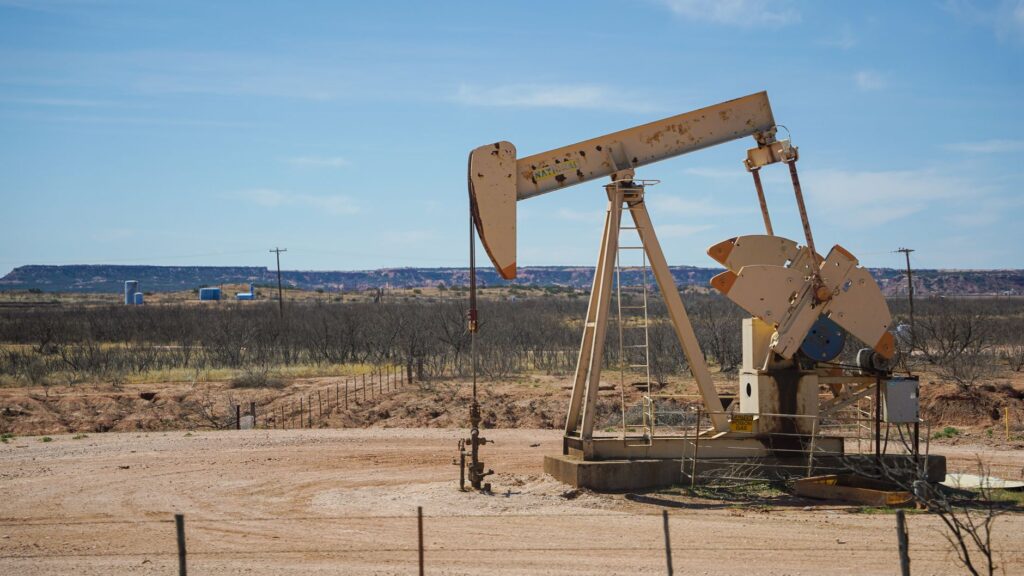
Indian equities are firm even as the oil-marketing trade looks fragile: the Sensex is at 77,431.25, up +0.90% today, and the Nifty 50 is at 24,201.45, up +1.00% today. Yet for HPCL, the market’s broader optimism may offer little protection if elevated crude prices keep crushing fuel marketing margins. This is the uncomfortable setup for HPCL, BPCL and IOCL as investors prepare for a difficult Q1 earnings season.
Table of Contents
- Context Why crude has put OMC margins under pressure
- Core Analysis HPCL BPCL and IOCL head into a tough Q1
- India Impact What this means for Indian retail investors
- What to Watch Signals that can change the trade
- Expert Insight
- Frequently Asked Questions
- Key Takeaways
Context Why crude has put OMC margins under pressure
For HPCL, the central problem is simple but brutal: when crude remains elevated and fuel marketing margins compress, the earnings bridge can break quickly. Oil marketing companies do not move in isolation. They sit at the intersection of global crude, the rupee, domestic fuel pricing, refinery economics, working capital, accounting treatment and investor sentiment. That makes HPCL a macro stock as much as an operating company.
The research setup is clear. HPCL, BPCL and IOCL are expected to dominate Q1 earnings for the wrong reasons because elevated crude prices are squeezing fuel marketing margins. Investors are also watching whether losses deepen if global oil remains volatile amid Middle East tensions. That is the phrase that matters: “losses deepen.” For OMC investors, the question is not only whether the quarter is weak. It is whether the weakness looks temporary or starts to look structural.
The wider market backdrop complicates the call. As of 2026-07-10, the Sensex is at 77,431.25, up +0.90% today, while the Nifty 50 is at 24,201.45, up +1.00% today. Global risk appetite also looks constructive, with the S&P 500 at 7,543.64, up +0.81% today. But OMCs can underperform even in a rising market if crude squeezes margins faster than investors can discount. A rising index does not automatically rescue HPCL when the crude-fuel spread turns hostile.
There is also a currency angle. USD/INR is at ₹95.33. For Indian oil companies, a weaker rupee environment generally raises the rupee cost of dollar-linked crude purchases. That does not mean every movement in the rupee directly flows into profit and loss in a neat straight line, but it does mean investors cannot analyse HPCL without looking at the exchange rate. Crude and currency together decide the pressure point.
The monetary-policy backdrop also matters. The RBI repo rate is at 5.25%. A high-rate environment affects the broader cost-of-capital discussion for equities and can make investors less forgiving of companies facing earnings volatility. When margins are under pressure, the market tends to ask tougher questions: how much pain is already in the price, how quickly can margins normalise, and does the balance sheet have enough room to absorb volatility?
For HPCL shareholders, the context is not “oil prices are high” in isolation. The real context is a squeeze between global input costs, domestic price realisation and investor expectations. Takeaway: HPCL’s Q1 setup is a margin story first, a crude story second, and a sentiment story throughout.
Core Analysis HPCL BPCL and IOCL head into a tough Q1
The coming results cycle puts HPCL under sharper scrutiny because fuel marketing margins sit at the heart of the investment case. Refining can help, inventory effects can distort, and accounting treatment can shift the timing of recognition. But when marketing margins turn adverse, the market normally focuses on the cash economics of selling fuel in a volatile crude environment.
HPCL is especially vulnerable to investor mood because OMC earnings are often judged not only by the reported number but by what the number implies about future policy flexibility and pricing power. What happens when crude rises but pump-price flexibility lags? The answer is usually visible in marketing margins before it shows up fully in investor confidence. This is why HPCL can see pressure even before the full results detail is available.
BPCL and IOCL face the same broad industry problem, but investors will compare the three on operating commentary, margin language, debt signals, inventory impact and management tone. The issue is not whether one company can escape the cycle completely. The issue is which company shows better resilience if crude volatility persists.
Here is the cleanest way to frame the current market setup without overreaching beyond verified data:
| Indicator | Verified latest reading | Why it matters for HPCL and OMCs |
|---|---|---|
| Sensex | 77,431.25, +0.90% today | Shows broader Indian equity sentiment is positive even as OMC-specific risks remain |
| Nifty 50 | 24,201.45, +1.00% today | Helps judge whether weakness in HPCL is stock-specific or part of broader market risk-off |
| S&P 500 | 7,543.64, +0.81% today | Signals global risk appetite, which can influence FII behaviour toward emerging markets |
| USD/INR | ₹95.33 | Matters because crude-linked costs are dollar-sensitive for Indian companies |
| RBI repo rate | 5.25% | Shapes the domestic cost-of-capital environment and investor tolerance for earnings volatility |
The table highlights a key contradiction. Equities are strong, global risk sentiment is supportive, and the RBI policy backdrop is known. Yet HPCL still faces a specific earnings challenge because fuel marketing margins are under pressure. That is why a broad-market rally may not be enough to protect the stock if investors fear deeper losses.
For HPCL, the earnings print will likely be judged across several qualitative checkpoints:
- Whether marketing margins remain under severe pressure.
- Whether management commentary suggests further stress if global crude stays volatile.
- Whether refining performance offsets any part of the marketing hit.
- Whether working capital pressure becomes more visible.
- Whether the company signals confidence on normalisation.
- Whether investors believe the pain is already discounted.
- Whether the market treats the weakness as cyclical or more persistent.
This is where the OMC trade becomes difficult for retail investors. A weak quarter does not automatically mean a bad long-term business. Equally, a cheap valuation does not automatically mean a safe entry point. HPCL can look attractive on a down day and still remain exposed to another round of crude-driven margin compression. The timing risk is real.
There is also a sector-rotation issue. When benchmark indices rise, domestic funds and retail investors often gravitate toward visible earnings themes. If HPCL reports a weak quarter and does not offer comfort on margins, money can move toward sectors with cleaner near-term earnings visibility. That rotation can happen even if long-term investors continue to believe in the OMC cycle.
Investors should also avoid making the mistake of looking at HPCL only through crude headlines. A crude rally matters, but so do currency movements, refinery spreads, inventory timing, government policy signals, and management commentary. The market does not price only the reported profit. It prices the path from current pain to future recovery.
For BPCL and IOCL, the comparison will be just as important as the standalone print. If all three show margin pressure, investors may view the problem as sector-wide. If one looks materially more resilient in commentary or operating delivery, it may attract relative preference. In a tough OMC quarter, relative performance can matter as much as absolute performance.
The core point is straightforward: HPCL is heading into a results cycle where the market already expects pressure, but expectations can still be disappointed if losses deepen. Takeaway: the first question for HPCL is not whether Q1 is weak; it is whether the weakness looks contained.
India Impact What this means for Indian retail investors
For Indian retail investors, HPCL is not just another cyclical stock. It is a direct exposure to the crude-rupee-fuel margin equation. That equation can change faster than most quarterly models. A geopolitical headline in the Middle East can lift crude volatility, a currency move can alter import-cost assumptions, and domestic market conditions can affect investor appetite for OMC risk. Retail investors who look only at the last closing price can miss the real driver.
The current market level creates another behavioural risk. With the Sensex at 77,431.25 and the Nifty 50 at 24,201.45, many investors may feel tempted to buy laggards in a strong market. That strategy works only when the laggard has a credible catalyst. In HPCL’s case, the catalyst must come from margin stabilisation, supportive commentary, or evidence that crude-related pressure is easing. Without that, a laggard can remain a laggard.
Retail investors should think in scenarios rather than single-point forecasts. If crude volatility cools and marketing margins recover, HPCL could regain investor interest quickly. If crude stays elevated and fuel margins remain compressed, the stock can continue to face earnings downgrades or valuation pressure. If the rupee weakens further from already watched levels, the market may become more sensitive to dollar-linked cost assumptions.
There is also a portfolio-construction issue. Many investors hold OMCs as part of a value basket, a dividend-oriented basket, or a public-sector theme. Those baskets behave differently under stress. A value investor may want a margin of safety. A dividend investor may watch cash flows. A public-sector investor may track policy signals. HPCL can fit all these buckets at different times, but the current setup demands clarity on why one owns the stock.
Regulatory context matters too. SEBI‘s disclosure framework requires listed companies to communicate material information through formal channels. That means investors should rely on exchange filings, results notes and management commentary rather than social-media claims. NSE and BSE trading behaviour can reflect sentiment, but filings provide the verified base. ICAI-linked accounting principles also matter because inventory valuation, cost recognition and segment reporting can affect how investors interpret reported numbers. The RBI repo rate at 5.25% frames the broader domestic financial environment, but it does not remove company-specific margin pressure.
How should a retail investor respond? The answer depends on risk tolerance. A trader may watch price action around results. A long-term investor may wait for management commentary. A conservative investor may avoid adding until the margin picture becomes clearer. There is no need to predict every crude tick. But there is a need to respect the cycle.
HPCL also needs to be analysed against alternatives. If banks, IT, capital goods or consumer names offer cleaner earnings visibility, investors will demand a stronger reason to hold an OMC through uncertainty. That reason can be valuation, cycle recovery, cash-flow confidence, or policy comfort. Without one, the stock becomes a hope trade.
For Indian households that indirectly own HPCL through mutual funds, the question is different. A diversified fund manager can absorb stock-level volatility better than an individual investor holding a concentrated position. If HPCL is a small part of a broad portfolio, the risk may be manageable. If it is a large direct bet, the crude and currency sensitivity deserve closer attention.
Takeaway: retail investors should treat HPCL as a high-sensitivity margin trade right now, not as a simple “cheap PSU” purchase.
What to Watch Signals that can change the trade
The next phase for HPCL will depend on whether investors see evidence that the crude-fuel margin squeeze is stabilising. Since exact margin numbers are not available in the supplied verified material, the safer approach is to track signals rather than pretend precision. These are the indicators that can change the market narrative.
Crude volatility and Middle East tensions
The research brief flags global oil volatility amid Middle East tensions as a key risk. For HPCL, the direction of crude matters, but the volatility matters too. Sudden moves can hurt inventory planning, working-capital assumptions and investor confidence. A stable crude environment is easier for the market to model; a volatile one keeps risk premiums elevated.
USD/INR movement
USD/INR is at ₹95.33. That is a critical live-market input for any India oil discussion. If the rupee faces further pressure, investors may worry about the rupee cost of dollar-linked crude. If the currency stabilises, one pressure point in the HPCL model becomes less threatening.
Management commentary with results
Investors should listen for how management describes marketing margins, demand conditions, refinery performance and working capital. The numbers matter, but the tone matters as well. If commentary suggests the worst is behind, the market may look through a weak print. If commentary stays cautious, investors may wait.
NSE and BSE reaction after filings
The first reaction in HPCL shares after results can reveal whether the bad news was already priced in. A stock can fall on weak numbers if expectations were still too high. It can also rise on weak numbers if the market feared worse. Watch trading volume, intraday volatility and follow-through rather than a single opening move.
RBI and broader liquidity conditions
The RBI repo rate is at 5.25%. While the repo rate does not decide HPCL’s marketing margin, it shapes the broader equity discount-rate environment. If investors become more selective in a firm-rate backdrop, companies with earnings pressure can face tougher scrutiny. Liquidity can support valuations, but earnings quality still matters.
Takeaway: the HPCL trade will turn when investors see margin relief, currency stability and credible management comfort, not merely because the broader market is rising.
Expert Insight
Energy-sector analysts at brokerages typically view HPCL’s current setup as a stress test of marketing margins rather than a one-line crude-price story. Their framework usually separates refining performance, marketing losses, inventory effects, working-capital movement and management commentary before reaching a call on valuation. In that framework, BPCL and IOCL provide useful peer markers, but HPCL’s own commentary will decide whether investors treat the Q1 earnings hit as a short-cycle shock or a sign of deeper pressure. The expert takeaway is clear: do not buy the OMC pack only because the market is strong; buy only if the margin-recovery thesis is credible.
Frequently Asked Questions
Is HPCL a good buy before results?
HPCL carries higher near-term uncertainty because elevated crude prices are squeezing fuel marketing margins. A pre-results purchase is therefore a view on margin recovery as much as a view on valuation. Conservative investors may prefer waiting for the company’s filing and management commentary before adding exposure.
Why are HPCL shares sensitive to crude oil prices?
HPCL is exposed to crude-linked costs and fuel marketing margins. When crude stays elevated and selling economics do not keep pace, margins can compress. That is why crude volatility can affect investor sentiment toward HPCL even when the broader market is positive.
How do BPCL and IOCL affect the HPCL investment view?
BPCL and IOCL act as sector benchmarks. If all major OMCs report pressure, investors may treat the issue as industry-wide. If HPCL performs worse or sounds more cautious than peers, the market may assign it a higher risk premium.
What should retail investors track in HPCL results?
Retail investors should focus on marketing margins, management commentary, refining performance, working-capital signals and any indication of whether losses may deepen. They should also watch USD/INR, which is at ₹95.33, because currency movements influence the broader oil-cost debate. The reported profit alone may not capture the full investment picture.
Can a strong Nifty protect HPCL from falling?
Not always. The Nifty 50 is at 24,201.45 and is up +1.00% today, but stock-specific earnings pressure can still drive underperformance. If investors worry that fuel marketing margins remain weak, HPCL can lag even in a strong index environment.
Takeaway: the most searched questions all come back to one issue, whether HPCL’s margin pressure is temporary or still worsening.
Key Takeaways
- HPCL faces a difficult results setup because elevated crude prices are squeezing fuel marketing margins.
- BPCL and IOCL will be important peer comparisons, but HPCL’s own commentary will drive the stock-specific reaction.
- The Sensex is at 77,431.25, up +0.90% today, and the Nifty 50 is at 24,201.45, up +1.00% today, but broad-market strength does not eliminate OMC margin risk.
- USD/INR at ₹95.33 remains a key variable for Indian oil companies because crude-linked costs are dollar-sensitive.
- The RBI repo rate at 5.25% keeps the broader cost-of-capital context relevant for equity investors.
- Retail investors should track filings on NSE and BSE, management commentary and margin language rather than relying on rumours or social-media claims.
- The clearest positive trigger for HPCL would be credible evidence that margin pressure is stabilising.
Takeaway: HPCL may look like a value opportunity to some investors, but until the crude-margin squeeze eases, risk management matters more than bargain hunting.
Disclaimer: This article is for informational purposes only and does not constitute investment advice. Please consult a SEBI-registered financial advisor before making investment decisions.
Sources & references

Bhavik Vaid
Bhavik Vaid writes on Indian markets, taxation, banking and personal finance for CADialogue. He covers RBI policy, GST and income-tax changes, mutual funds and market moves, translating them into practical guidance for retail investors, salaried professionals and business owners in India.


