India Economic Growth Outlook 2026-27: Risks & Sectors to Watch
India Economic Growth Outlook 2026-27 stays strong, but oil, inflation and trade risks could shape GDP, markets and key sectors to watch.
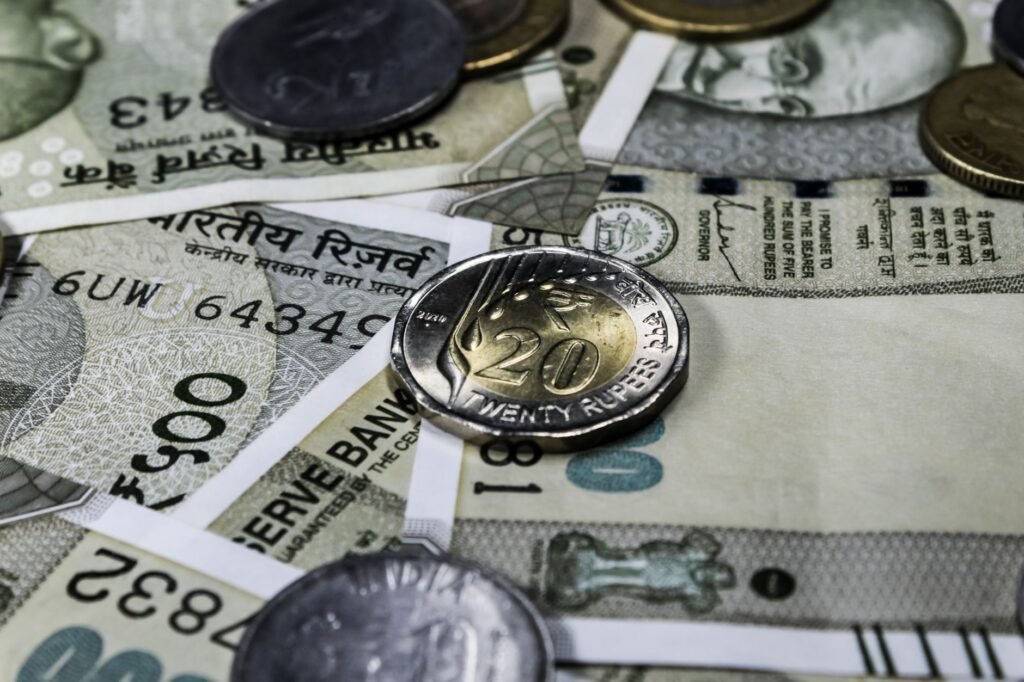
India Economic Growth Outlook 2026-27 remains strong, but the easy part of the recovery may be over. India is still expected to grow faster than most major economies, yet crude oil, inflation, monsoon uncertainty and global trade risks can test policy and markets.
Most forecasts place India’s GDP (gross domestic product) growth between 6.4% and 7.2% for FY2026-27. The Economic Survey projected 6.8% to 7.2%, while the World Bank and IMF have taken a more cautious view due to external risks. For retail investors, salaried professionals and businesses, the message is clear, India’s long-term story remains intact, but volatility may rise.
India economic growth outlook 2026-27: headline numbers
The government’s baseline view remains optimistic. The Economic Survey 2025-26 expects growth in the 6.8% to 7.2% range, supported by domestic demand, infrastructure spending and manufacturing momentum. The Union Budget 2026-27 has targeted a fiscal deficit of 4.3% of GDP, while keeping public capital expenditure high at ₹12.2 lakh crore.
The RBI has taken a more cautious approach. As per the latest policy updates cited in market reports, the central bank kept the repo rate (RBI’s key lending rate) at 5.25% and maintained a neutral stance. It also revised FY27 GDP growth expectations lower and raised CPI (Consumer Price Index, retail inflation) projections to 5.1%.
For the India Economic Growth Outlook 2026-27, the key message is balance. Growth is not weak, but inflation risks have become more visible. A stable repo rate helps borrowers for now, but any spike in food or fuel inflation can delay rate cuts and keep EMIs elevated.
India GDP growth drivers: consumption, capex and manufacturing
India’s growth engine continues to rely on domestic demand. Private consumption has improved due to higher disposable incomes, tax relief and steady urban spending. Rural demand has also shown resilience, helped by two-wheeler sales, FMCG demand and government support.
Public capex remains the strongest growth pillar. The Budget’s ₹12.2 lakh crore capital expenditure push supports roads, railways, waterways, urban infrastructure and logistics. This creates demand for cement, steel, engineering goods, capital goods and construction companies listed on NSE and BSE.
Manufacturing is another major driver. PLI schemes (production-linked incentives), electronics manufacturing, auto components, defence production and semiconductor policy support the sector. India also benefits from the China+1 strategy, where global companies diversify supply chains beyond China.
Services remain India’s structural strength. IT services, financial services, tourism, healthcare and digital platforms continue to contribute heavily to GDP. Digital Public Infrastructure, including UPI, Aadhaar-linked services and ONDC-type platforms, is improving formalisation and productivity.
India economy risks 2026-27: oil, inflation and monsoon
For the India Economic Growth Outlook 2026-27, risks are concentrated in three areas, crude oil, food inflation and global uncertainty. India imports nearly 80% of its crude oil requirement. If Brent crude stays above $90 per barrel due to Middle East tensions, India may face higher import bills, pressure on the rupee and a wider current account deficit (the gap between foreign currency inflows and outflows).
A weak monsoon is another major risk. El Nino-related rainfall deficits can hurt agriculture, push up food prices and weaken rural consumption. This matters because food has a large weight in CPI inflation.
Investors and businesses should monitor these indicators closely:
- GDP growth estimates from RBI, MoSPI, IMF and World Bank
- CPI inflation, especially food and fuel components
- Repo rate and RBI MPC commentary
- Brent crude prices and India’s crude import bill
- Rupee-dollar exchange rate and forex reserves
- Fiscal deficit, bond yields and government borrowing
- IIP (Index of Industrial Production) and PMI (Purchasing Managers’ Index) data
If inflation stays above comfort levels, the RBI may hold rates for longer. This can affect home loan EMIs, corporate borrowing costs, NBFC margins and rate-sensitive sectors such as real estate and autos.
India sector outlook 2026-27 for investors and businesses
Several sectors look well-positioned even in a moderately volatile macro environment. Infrastructure, capital goods, defence, renewables, banking and technology remain the strongest themes.
Banks and financial services may benefit from healthy credit demand, formalisation and digital lending. However, investors should track deposit growth, net interest margins and asset quality. Capital goods companies can gain from public capex, railway modernisation and private sector investment.
Defence remains a long-term theme due to indigenisation, export ambitions and government procurement. Renewable energy, including solar, wind and green hydrogen, can benefit from India’s energy security goals. Technology and digital services continue to offer structural growth, especially in AI, cloud, fintech and enterprise software.
For stock market investors, this does not mean buying every infra or defence stock at any valuation. Nifty and Sensex valuations, earnings growth and global FPI flows will matter. A SIP-based mutual fund approach may suit long-term investors better than chasing short-term sector rallies.
Businesses should prepare for higher input costs and supply chain disruptions. Exporters should track FTAs with the UK, EU and other trade partners. MSMEs can benefit from better credit access, digital platforms and TReDS, but they must manage working capital carefully.
India economic growth outlook 2026-27: what this means for you
The India Economic Growth Outlook 2026-27 is positive, but not risk-free. India’s domestic demand, public capex and services strength offer a strong cushion. At the same time, oil prices, monsoon shocks, inflation and global slowdown can create market corrections and policy delays.
For salaried professionals, the focus should be on budgeting for 5% plus inflation, maintaining emergency funds and avoiding over-leverage. For home buyers, stable rates are helpful, but EMI relief may take time. For investors, diversification across equity, debt, gold and FDs remains sensible.
The takeaway is simple. India’s growth story remains one of the strongest among major economies. But FY2026-27 will reward disciplined investors and well-prepared businesses, not those who ignore macro risks.

Bhavik Vaid
Bhavik Vaid writes on Indian markets, taxation, banking and personal finance for CADialogue. He covers RBI policy, GST and income-tax changes, mutual funds and market moves, translating them into practical guidance for retail investors, salaried professionals and business owners in India.


