India Economic Growth Challenges 2026: Key Risks and Reforms
India remains a fast-growing economy, but inflation, weak private capex, MSME credit gaps and global risks could slow momentum in FY27.
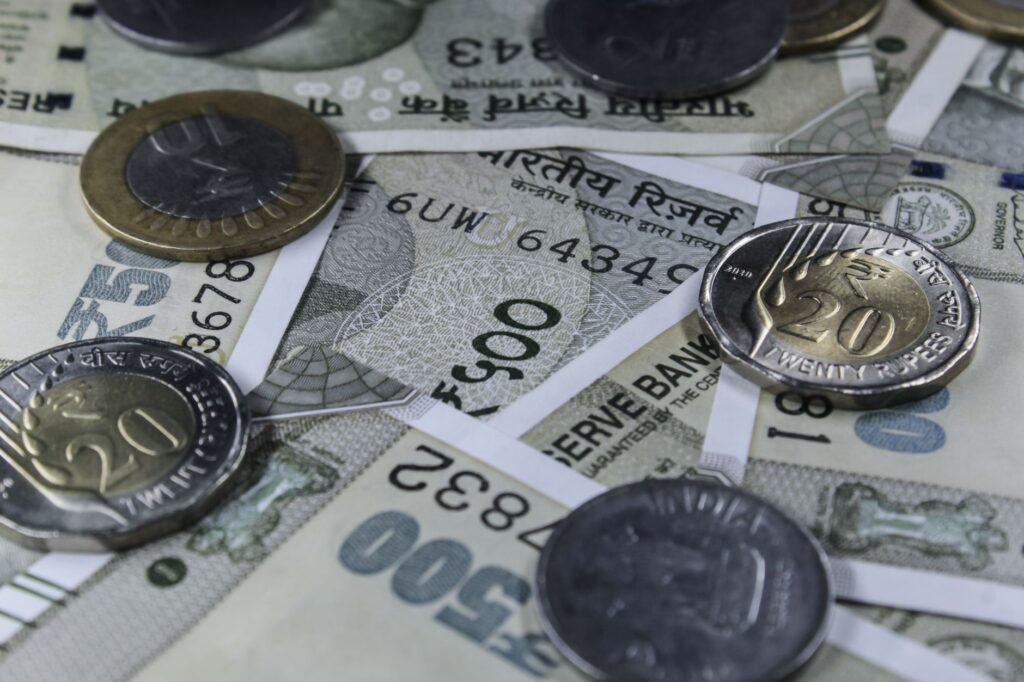
India economic growth challenges are becoming more complex as the economy enters FY27 with strong long-term potential but visible short-term stress. The issue is not whether India can grow, but whether growth can remain broad-based, job-rich and investment-led.
For investors, salaried professionals, CAs and business owners, the next phase will depend on how India manages inflation, credit flow, infrastructure execution, rural demand and global uncertainty.
India economic growth challenges in 2026: the macro picture
India is still among the fastest-growing major economies. Domestic demand, services exports, digital payments, public capex and a young workforce remain key strengths. However, headline GDP growth alone does not capture the pressure felt by households, MSMEs and exporters.
The main concern is the gap between potential growth and actual income growth. If food inflation stays high, real wages weaken. If private investment does not follow public capex, job creation slows. If credit remains uneven, smaller firms struggle even when large companies report healthy profits.
Readers should track official data from MoSPI, RBI, Union Budget documents, Economic Survey and DPIIT for real GDP growth, CPI inflation, fiscal deficit, IIP, FDI and trade numbers. These indicators will show whether India economic growth challenges are cyclical, structural or both.
India economic growth challenges from inflation, jobs and MSME credit
Inflation is the most visible pressure point for households. CPI, or Consumer Price Index, measures retail inflation. When food and core inflation remain sticky, families spend more on essentials and less on discretionary items. This hurts demand for two-wheelers, FMCG, apparel, housing upgrades and consumer durables.
Job creation is the second pressure point. India needs more formal, productive and higher-paying jobs, especially for youth and women. Open unemployment is only one part of the problem. Underemployment, where people work below their skill level or income potential, is equally important.
MSMEs face the third major constraint. They employ millions and support supply chains across textiles, auto components, food processing, construction and services. Yet many small firms face collateral issues, delayed payments, high compliance costs and limited access to working capital.
Key pressure areas include:
- High food inflation reducing real household income
- Weak private capex limiting durable job creation
- MSME credit gaps slowing production and formalisation
- Skill mismatch in manufacturing, digital and services roles
- Rural demand weakness due to farm income volatility
- Higher input costs hurting business margins
Government schemes such as Credit Guarantee Fund, TReDS, PM Vishwakarma, Skill India and Startup India can help. But execution speed, bank-level credit appraisal and state-level compliance reform will decide the actual impact.
Infrastructure, manufacturing and export challenges for India growth
Infrastructure has improved sharply, but logistics costs remain a drag. Roads, railways, ports, warehousing, power reliability and last-mile connectivity directly affect manufacturing competitiveness. Higher transport time raises inventory costs and makes Indian exports less competitive.
PM Gati Shakti, National Logistics Policy and the National Infrastructure Pipeline are important because they aim to integrate transport planning. If implemented well, they can lower freight costs, improve supply chain reliability and crowd in private investment.
Manufacturing is another key area. India has made progress through Make in India and Production Linked Incentive, or PLI, schemes. But the sector still faces issues of scale, technology adoption, component dependence and regulatory complexity. A deeper supplier ecosystem is needed if India wants to capture global value chains in electronics, semiconductors, batteries, defence, pharma and auto components.
Exports also face global headwinds. Slower demand in the US, Europe and China can affect merchandise exports. Geopolitical tensions can raise oil prices and shipping costs. Since India imports a large share of its energy needs, crude oil volatility can quickly affect inflation, the rupee and the current account deficit.
Policy reforms to address India economic growth challenges
The policy response must balance short-term stability with long-term reform. RBI has to manage inflation without choking productive credit. The government has to reduce the fiscal deficit while protecting capital expenditure. SEBI, RBI and finance ministry coordination will also matter for market confidence.
Public capex should continue in areas with high multiplier effects, such as rail freight corridors, urban transport, power transmission, renewable energy, ports and digital infrastructure. At the same time, private capex needs clearer regulation, faster approvals and stable tax policy.
MSME reform should focus on timely payments, easier GST compliance, stronger invoice discounting and wider use of cash-flow based lending. Banks and NBFCs need better risk-sharing models so that credit reaches productive small businesses without creating fresh NPA stress.
Human capital is equally critical. Skilling should be linked to actual employer demand, not only certification numbers. Apprenticeships, ITI upgrades, digital skills, language training and women’s workforce participation can raise productivity over time.
Agriculture also needs structural support. Better irrigation, cold chains, crop diversification, agri-logistics, farmer producer organisations and climate-resilient farming can stabilise rural income. Stronger rural demand supports sectors from FMCG to tractors and entry-level vehicles.
What India economic growth challenges mean for investors and households
For investors, India economic growth challenges do not mean avoiding equities or long-term assets. They mean watching sector quality more closely. Companies with pricing power, low debt, strong cash flows and export diversification may handle volatility better. SIP investors in mutual funds should stay disciplined but review asset allocation based on risk profile.
For salaried professionals, the key risks are slower increments, higher EMIs if rates stay elevated and pressure on household budgets from food and fuel inflation. Maintaining an emergency fund, controlling unsecured debt and continuing long-term SIPs remain sensible steps.
For business owners and CAs advising clients, working capital discipline is vital. Firms should monitor receivables, GST compliance, bank limits, input cost contracts and digital invoicing. MSMEs that formalise early may gain better access to credit and government procurement.
The clear takeaway is that India’s growth story remains intact, but it needs stronger execution. Inflation control, private investment, MSME finance, logistics reform, skilling and export competitiveness will decide whether India economic growth challenges become temporary speed breakers or a longer drag on national income.
Sources & references

Bhavik Vaid
Bhavik Vaid writes on Indian markets, taxation, banking and personal finance for CADialogue. He covers RBI policy, GST and income-tax changes, mutual funds and market moves, translating them into practical guidance for retail investors, salaried professionals and business owners in India.


