India Inflation Rate: Latest CPI Data and RBI Target
India retail inflation (CPI) latest data, the RBI 4% target and 2-6% band, how CPI is measured, and what the current rate means for FDs, home loans and gold.
India’s retail inflation (CPI) stood at 4.38% in June 2026, the most recent month published by the Ministry of Statistics and Programme Implementation. Rural inflation was 4.74% and urban 3.92%. Food inflation, measured by the Consumer Food Price Index, was 5.32%.
| Measure | June 2026 |
|---|---|
| All-India CPI inflation | 4.38% |
| Rural | 4.74% |
| Urban | 3.92% |
| Food (CFPI) | 5.32% |
| RBI target | 4%, band of 2% to 6% |
MoSPI publishes CPI around the 12th to 14th of each month for the previous month.
What this number actually means
At 4.38%, inflation sits just above the RBI’s 4% target but comfortably inside the 2% to 6% tolerance band. That distinction matters more than the headline: the RBI is not obliged to act while inflation stays inside the band, and it only owes the government an explanation if average inflation breaches the band for three consecutive quarters.
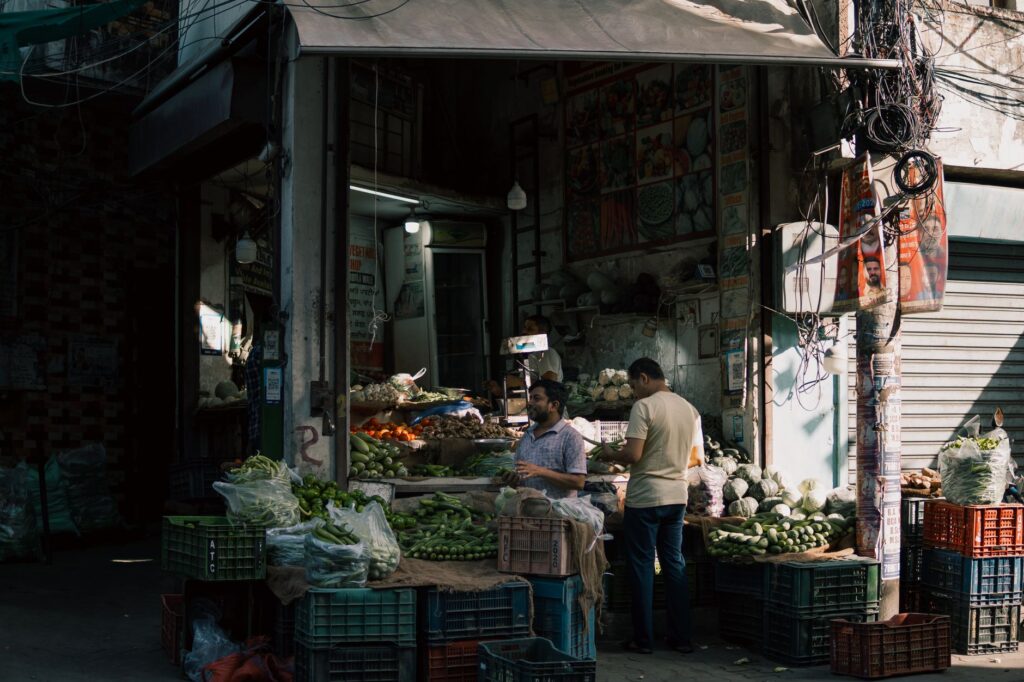
The gap between rural (4.74%) and urban (3.92%) is the more interesting part. Rural households spend a larger share of income on food, so when food inflation runs at 5.32% it hits rural budgets harder. A single national figure hides that.
The RBI’s mandate, precisely
Under the flexible inflation targeting framework adopted in 2016, the RBI must keep CPI inflation at 4%, with a tolerance band of 2% to 6%. Three things follow from that wording:
- The target is the headline number, not core inflation. Food and fuel volatility counts, which is why Indian policy reacts to vegetable prices in a way some other central banks do not.
- The band is not a target range. 4% is the target; 2% to 6% is the room for error. Inflation at 5.9% is inside the band but well above target.
- Failure is defined and accountable. Three consecutive quarters outside the band triggers a written report to the government explaining the miss and the plan to correct it.
This is why the RBI does not simply cut rates when growth slows. The repo rate of 5.25% was held unanimously at the August 2026 policy, with the Governor describing the stance as neither dovish nor hawkish and saying decisions would be guided by headline inflation.
How CPI inflation is measured
CPI tracks the price of a fixed basket of goods and services that a typical household buys, and reports how much that basket costs compared with the same month a year earlier. Two consequences are worth understanding.
It is year-on-year, not month-on-month. A falling inflation rate does not mean prices are falling. It means they are rising more slowly than a year ago. Prices only fall when the number goes negative, which is deflation and rare in India.
The basket is not your basket. Food and beverages carry the largest weight in the Indian CPI, followed by housing, fuel and light, clothing and miscellaneous items. If you spend far more than average on rent or school fees, your personal inflation rate can differ substantially from the published figure.
What inflation at this level means for your money
Fixed deposits. The number that matters is the real return, which is the FD rate minus inflation. A deposit paying 7% with inflation at 4.38% earns about 2.6% in real terms before tax. After tax at a 30% slab, the real return is close to zero. This is the arithmetic most savers never run.
Home loans. Floating rates are linked to the repo rate, which the RBI sets with reference to this figure. Inflation staying inside the band is what keeps the door open to future cuts; inflation running hot is what closes it.
Equity. Moderate inflation is generally tolerable for companies that can pass costs on. Sharp inflation compresses margins for those that cannot, which is why input-cost-sensitive sectors move on CPI days.
Gold. Treated as an inflation hedge, though the Indian gold price is driven at least as much by the rupee and by global rates as by domestic CPI.
What to watch next
- The monthly CPI release, published by MoSPI around the 12th to 14th for the previous month. This is the primary source; everything else is commentary on it.
- Food inflation specifically. It is the most volatile component and drives most of the surprise in Indian prints.
- The MPC minutes, released fourteen days after each policy meeting. They show whether a unanimous decision was settled or finely balanced.
- Crude oil and the rupee. India imports most of its crude, so both feed directly into domestic prices.
Common questions
What is India’s current inflation rate?
4.38% for June 2026, the latest month published by MoSPI.
What is the RBI’s inflation target?
4%, with a tolerance band of 2% to 6%.
Is inflation falling in India?
The rate moves month to month. A lower rate means prices are rising more slowly, not that they are falling.
Why is my cost of living rising faster than the CPI?
CPI is an average across a fixed national basket. If your spending is skewed towards categories rising faster than average, such as rent, education or healthcare, your personal rate will be higher.
When is the next inflation data released?
MoSPI publishes around the 12th to 14th of each month for the preceding month.
The short version
Inflation at 4.38% is above the RBI’s 4% target but inside its 2% to 6% band, which is why the repo rate stayed at 5.25% in August. Rural inflation is running higher than urban because food, at 5.32%, weighs more heavily on rural budgets. If you hold fixed deposits, subtract inflation and then tax before deciding whether the rate is actually good.

Bhavik Vaid
Bhavik Vaid writes on Indian markets, taxation, banking and personal finance for CADialogue. He covers RBI policy, GST and income-tax changes, mutual funds and market moves, translating them into practical guidance for retail investors, salaried professionals and business owners in India.


