Crude Oil Prices Impact on Inflation, Rupee and Household Budget
Crude Oil Prices Impact on Inflation, Rupee and Household Budget: see how rising oil affects fuel, EMIs, groceries, markets and your money.
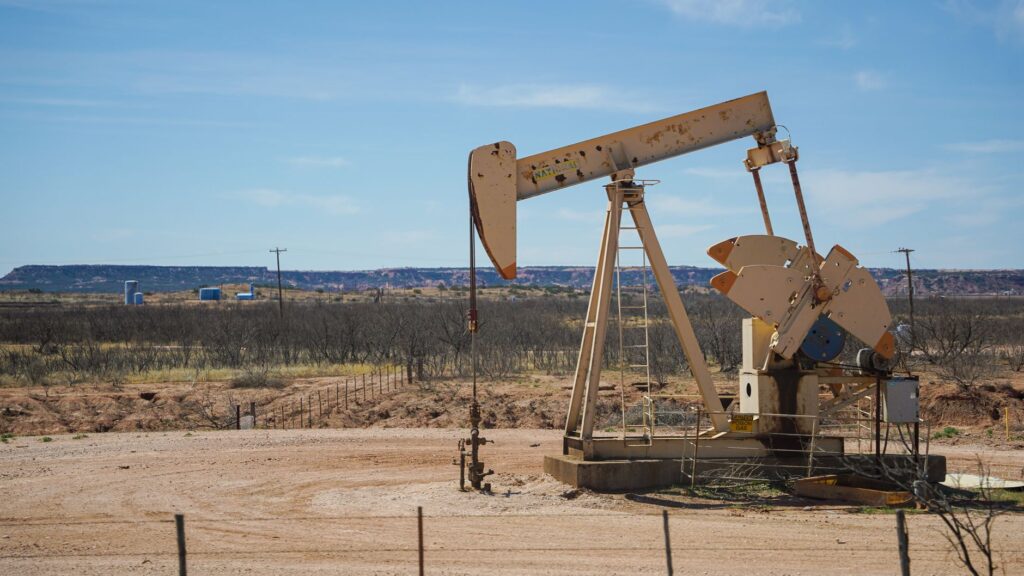
Crude oil prices affect every Indian household, even if you do not own a car or bike. A rise in global oil rates can make petrol, diesel, LPG, groceries, travel and loans costlier within weeks.
India imports nearly 85-90% of its crude oil requirement. That makes the economy highly sensitive to Brent crude, the Indian crude basket and the USD/INR exchange rate. For investors, oil is not just a commodity. It is a macro signal for inflation, RBI policy, corporate margins and stock market sector rotation.
Crude oil prices and India’s import dependence
India’s domestic crude production meets only a small part of demand. The rest comes from countries such as Iraq, Russia, Saudi Arabia and the UAE. Since crude is priced in US dollars, India pays more when either oil rises globally or the rupee weakens against the dollar.
This creates a double impact. A higher dollar oil bill widens the current account deficit, or CAD (the gap between foreign currency inflows and outflows). At the same time, higher demand for dollars can put pressure on the Indian rupee. A weaker rupee then raises the landed cost of oil further.
The Petroleum Planning and Analysis Cell, or PPAC, publishes fuel price and import data that investors can track regularly on its official website. For India, the key number is not only Brent crude, but the Indian crude basket, which reflects the mix of crude grades imported by Indian refiners.
Crude oil prices, inflation and RBI policy
Oil feeds into inflation through many channels. Petrol and diesel directly affect transport costs. Diesel powers trucks, buses, tractors and logistics fleets. Crude derivatives are also used in plastics, paints, tyres, chemicals and packaging.
The Consumer Price Index, or CPI (retail inflation), captures household-level price changes. The Wholesale Price Index, or WPI (wholesale inflation), captures price changes at the producer and trade level. A sharp oil shock can lift both.
RBI research and market estimates often suggest that a $10 per barrel rise in oil can add roughly 50-60 basis points to CPI inflation, depending on tax pass-through and currency movement. One basis point is one-hundredth of a percentage point.
This matters for borrowers. If oil-led inflation stays above the RBI’s comfort zone, the central bank may delay rate cuts or keep liquidity tight. That can affect floating-rate home loans, car loans, business loans and credit card rates. The RBI’s monetary policy updates are available on the RBI website.
Petrol, diesel, LPG and oil-linked household budget impact
When crude oil prices rise, the first visible impact is usually at the fuel pump. Petrol and diesel prices in India are linked to international product prices, refinery costs, dealer commissions, central excise duty and state VAT. This is why pump prices may not fall fully even when global crude corrects.
LPG is also policy-sensitive. Domestic cylinder prices may be managed differently from commercial LPG prices. Even if household LPG rates stay unchanged for some time, restaurants, cloud kitchens and food businesses may pass on higher commercial fuel costs.
For families, the pressure is broader than fuel bills. Oil inflation enters the monthly budget through:
- Higher petrol or diesel spending for two-wheelers, cars and office commutes
- Costlier vegetables, fruits, milk and staples due to freight charges
- Higher cab, auto, bus and intercity travel fares
- Increased food delivery, e-commerce and restaurant costs
- Costlier air tickets, as aviation turbine fuel is a major airline expense
- Lower discretionary spending on shopping, entertainment and travel
Salaried professionals should treat fuel inflation like an EMI shock. It may look small daily, but it reduces savings capacity over a full year.
Rupee, CAD and government finances under oil shocks
A sustained oil rally increases India’s import bill. This can widen the CAD and put pressure on the rupee. If the rupee weakens from, say, 83 to 85 per dollar, the same barrel of oil becomes costlier in rupee terms even if the dollar price is unchanged.
The government also faces a policy trade-off. It can cut excise duty to soften petrol and diesel prices, but that reduces tax revenue. It can support vulnerable households through targeted LPG subsidies, but that adds to expenditure. If the government absorbs too much of the shock, fiscal deficit concerns may rise.
This is why oil prices influence bond yields and the stock market. Higher inflation and fiscal pressure can push yields up. Rising yields may weigh on equity valuations, especially in rate-sensitive sectors such as banks, NBFCs, real estate and autos.
Stock market sectors affected by crude oil prices
Crude oil prices create clear winners and losers on Dalal Street. Upstream oil companies such as ONGC and Oil India may benefit from higher crude realisations. Oil marketing companies such as IOC, BPCL and HPCL face a mixed impact, depending on refining margins and retail fuel pricing freedom.
Aviation, paints, tyres, chemicals, plastics, logistics, FMCG and auto companies usually prefer lower oil prices. Their raw material, packaging or transport costs fall when crude cools. This can improve EBITDA margins, which means operating profit before interest, tax, depreciation and amortisation.
For Nifty and Sensex investors, oil is also a macro risk indicator. If crude rises due to geopolitical tensions, foreign portfolio investors may reduce exposure to oil-importing emerging markets. Traders also track crude oil futures on MCX for short-term signals, but retail investors should avoid leveraged commodity trades without proper risk controls.
What this means for you: track oil prices with your budget
Do not look at oil only as a petrol price story. It affects inflation, the rupee, RBI policy, EMIs, corporate profits and your SIP capacity.
If oil remains elevated, review your household budget, keep an emergency fund and avoid stretching for new loans. Investors should check whether companies in their portfolio can pass on higher input costs. Businesses with pricing power usually handle oil shocks better.
For most retail investors, the best response is disciplined asset allocation, diversified mutual fund SIPs and regular monitoring of inflation-linked risks. Crude oil prices will keep moving with geopolitics, OPEC decisions, global growth and currency trends. Your financial plan should be strong enough to handle that volatility.
Sources & references

Bhavik Vaid
Bhavik Vaid writes on Indian markets, taxation, banking and personal finance for CADialogue. He covers RBI policy, GST and income-tax changes, mutual funds and market moves, translating them into practical guidance for retail investors, salaried professionals and business owners in India.


