AI Chip Rally Goes Global as AMD, Infineon and China Semis D
AI Chip Rally Goes Global as AMD, Infineon and China Semis Drive Market Action. Expert analysis on CADialogue.
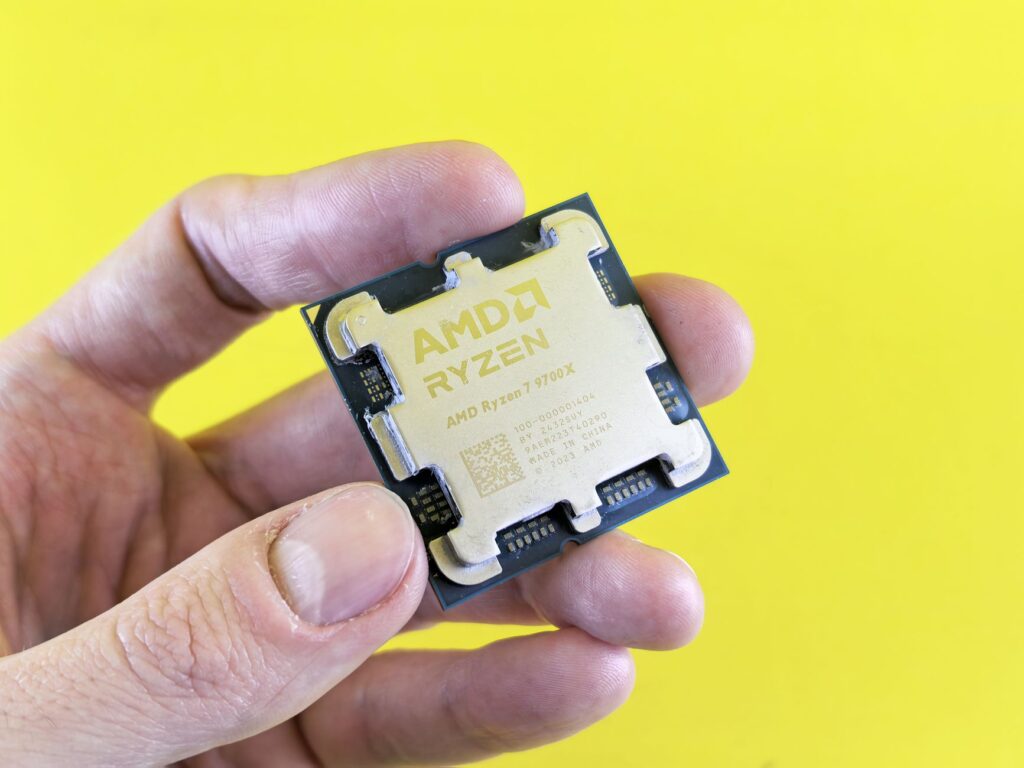
Indian equities are holding their ground even as the global technology trade looks less comfortable: the Sensex is at 78,850.56, up +0.34% today, while the Nifty 50 is at 24,647.80, up +0.09% today. The AI chips rally has gone global, but the market message is split: investors are rewarding the semiconductor theme while also questioning whether expectations have already run too far. AMD, Infineon and Chinese chip names now sit at the centre of that debate.
Table of Contents
- Why AI Chips Became the Market’s Favourite Trade
- AI Chips Drive Global Market Action Across AMD Infineon and China Semis
- What the AI Chips Rally Means for Indian Retail Investors
- What to Watch Next
- Expert Insight
- Frequently Asked Questions
- Key Takeaways
Why AI Chips Became the Market’s Favourite Trade
The semiconductor cycle is no longer just about smartphones, laptops or traditional data centres. AI chips now sit at the heart of global equity market psychology because investors see them as the hardware layer behind artificial intelligence spending. When companies such as AMD guide for strong revenue growth on AI chip demand, markets do not treat it as a single-company story. They read it as a signal about cloud capital expenditure, data-centre expansion, power consumption, memory demand, advanced packaging, networking equipment and the broader risk appetite for growth stocks.
That is why the rally has spread beyond one exchange and one region. The theme links Wall Street, Asian markets and European chip suppliers through the same narrative: artificial intelligence needs compute, compute needs semiconductors, and semiconductors need a large ecosystem of designers, foundries, materials, equipment vendors, testing companies and power-management suppliers. Infineon raising its outlook adds another layer to the story because it tells investors that the optimism is not confined to the most visible AI accelerator names. Chinese chip names supporting regional markets adds a third leg: investors are also looking at domestic semiconductor capability, supply-chain localisation and policy-driven demand.
For Indian investors, this matters because global tech leadership often sets the tone for foreign institutional flows, rupee sentiment and risk appetite in emerging markets. A strong AI chips cycle can keep global growth portfolios engaged, but stretched expectations can also trigger sharp corrections if earnings, guidance or order visibility fail to match the hype. Can Indian portfolios benefit from the AI semiconductor wave without blindly chasing every stock that carries an AI label? That is now the key question.
The takeaway: AI chips have moved from a sector theme to a global macro-market driver, and Indian investors cannot analyse equities in isolation from this trade.
AI Chips Drive Global Market Action Across AMD Infineon and China Semis
The current market action shows a clear divergence. Indian benchmarks are positive today, but US indices are softer. The Sensex is at 78,850.56, up +0.34% today. The Nifty 50 is at 24,647.80, up +0.09% today. In the US, the S&P 500 is at 7,723.55, down -0.17% today, while the NASDAQ is at 26,363.44, down -0.83% today. That gap matters because the NASDAQ is more sensitive to technology and growth expectations, while Indian headline indices have a broader domestic mix across banks, consumption, industrials, energy, IT services and financials.
The AI chips theme is still powerful, but it is no longer a simple “buy everything semiconductor-linked” trade. AMD forecasting strong revenue growth on AI chip demand reinforces the demand story. Yet the market also wants bigger gains, which means investors are not satisfied with direction alone; they want scale, margins, supply assurance and proof that AI demand converts into durable cash flows. Infineon raising its outlook adds support to the global semiconductors narrative, but it also raises the bar. When expectations rise, even good news can look ordinary if traders have already priced in perfection.
China adds another dimension. Source material from Economic Times says China stocks hit a one-week high as a chip rally offset weakness in optical modules. That is an important market signal. Investors are not abandoning the China technology trade; they are rotating within it. Semiconductor-linked names are helping absorb pressure from other parts of the hardware supply chain. For India, this matters because Asian risk appetite often moves in clusters. A stronger China semiconductor tape can support regional sentiment, though India’s domestic flows and earnings mix often create their own path.
Here is the live market snapshot investors should keep in view:
| Market indicator | Latest level | Today’s move | Why it matters for Indian investors |
|---|---|---|---|
| Sensex | 78,850.56 | +0.34% today | Shows Indian large-cap resilience despite mixed global technology cues |
| Nifty 50 | 24,647.80 | +0.09% today | Signals cautious but positive domestic participation |
| S&P 500 | 7,723.55 | -0.17% today | Reflects softer broad US market sentiment |
| NASDAQ | 26,363.44 | -0.83% today | Shows pressure in technology-heavy risk appetite |
| USD/INR | ₹95.22 | Live level | Important for FII flows, imported inflation sensitivity and IT-sector translation |
| RBI repo rate | 5.25% | Current policy rate | Sets the domestic cost-of-money backdrop for Indian risk assets |
The table captures the market paradox. The AI chips story is bullish at the thematic level, but the live screen does not show a one-way global risk rally. Indian equities are up modestly, US tech is under pressure, and the rupee level keeps currency sensitivity firmly on the investor dashboard.
Why would a strong semiconductor theme coincide with a weaker NASDAQ session? Because markets discount the future, not just the present. If investors already expect explosive AI demand, then AMD’s strong guidance has to clear a high bar. If Infineon’s outlook improves, the next question becomes whether the improvement is broad-based or concentrated in selected pockets. If Chinese semiconductors rally, investors ask whether the move reflects sustainable earnings upgrades or short-term rotation.
There is also the issue of crowding. AI chips have become a consensus global trade. Consensus trades can deliver strong returns for long periods, but they also become vulnerable when positioning gets heavy. A minor disappointment in guidance, supply constraints, geopolitical news, inventory shifts or margin commentary can produce outsized price reactions. Retail investors often enter such themes late because the story becomes most visible after share prices have already moved sharply.
AMD’s role in this cycle is especially important because investors use its guidance as a read-through for AI accelerator demand. When a major chip company says AI demand supports revenue growth, the market extrapolates that into demand for memory, networking, cooling, cloud infrastructure and electricity. But extrapolation is not valuation discipline. A company can be in the right industry and still be an expensive stock. That difference is where many retail investors make mistakes.
Infineon’s outlook raise also has a broader message. Semiconductors are not just about AI accelerators. They sit inside industrial systems, autos, power electronics, data-centre power architecture and connected devices. An improved outlook from a major chip name tells investors that the semiconductor conversation remains broad. But breadth is not uniformity. Different chip companies face different end-markets, margin structures, order cycles and inventory risks.
Chinese chip names supporting regional markets highlight a separate but related trend: countries want more control over strategic technology supply chains. Domestic chip capability has become a market theme because investors see policy support, local substitution and national technology priorities as potential demand drivers. That does not remove risk. It adds political, regulatory and execution complexity. For Indian investors tracking China-linked or Asia-linked funds, that distinction matters.
The takeaway: the AI chips rally is global, but the trade is becoming more selective, more valuation-sensitive and more dependent on forward guidance than on headlines alone.
What the AI Chips Rally Means for Indian Retail Investors
For Indian retail investors, the first impact comes through sentiment. When global semiconductors rally, risk appetite often improves for technology, capital goods, electronics manufacturing, data-centre infrastructure and export-linked businesses. But the link is indirect. India does not automatically benefit every time a global chip stock rallies. Investors must separate companies that genuinely participate in the semiconductor or AI infrastructure ecosystem from companies that merely use AI language in presentations.
The second impact comes through currency and foreign flows. USD/INR is at ₹95.22, and that level keeps the rupee firmly in focus. A strong US technology trade can attract global capital into US equities, but it can also improve risk appetite for emerging markets if investors feel confident about global growth. The direction of flows depends on whether AI optimism broadens or stays concentrated in a few mega-cap global names. If the trade stays concentrated, emerging markets may not receive the full benefit. If it broadens, India can gain through FII participation, domestic technology sentiment and higher confidence in growth sectors.
The RBI repo rate at 5.25% also matters. Higher-for-longer domestic rates make valuation discipline essential because future earnings get discounted more heavily when the cost of money stays elevated. For loss-making or very expensive growth businesses, that is a serious constraint. AI chips can be a powerful theme, but Indian investors should not ignore the interest-rate backdrop. Liquidity can lift narratives; rates test them.
SEBI‘s role becomes relevant because retail participation in thematic investing has expanded across direct equities, mutual funds, exchange-traded funds and derivatives. Investors must read scheme documents, risk disclosures and portfolio concentration carefully. A fund labelled technology or innovation may not have direct exposure to AI chips. It may hold IT services, platform companies, telecom names, electronics manufacturers or global technology stocks depending on the mandate. The label is not the portfolio.
NSE and BSE price action will also need careful interpretation. A company rallying because it is “AI-linked” may not have material revenue from AI, semiconductors or data-centre infrastructure. Retail investors should check exchange filings rather than social-media claims. If a company says “according to the company’s filing” that it has entered a new technology partnership, investors still need to assess whether the announcement changes earnings, cash flow or return on capital. Announcements are not profits.
ICAI-linked financial reporting discipline also matters in this environment. AI and semiconductor themes often involve capital expenditure, research spending, intangible assets, inventory risk and long working-capital cycles. Investors should pay attention to accounting quality, auditor comments, capitalisation policies and cash-flow conversion. A business that shows strong accounting revenue but weak cash generation deserves deeper scrutiny.
What should Indian retail investors actually do? A practical approach works better than theme-chasing:
- Review whether your portfolio is already overweight technology through mutual funds, direct stocks and global funds.
- Separate direct semiconductor exposure from broad IT services exposure.
- Avoid buying a stock only because management uses AI-related language.
- Track currency sensitivity, especially for export-oriented companies and global funds.
- Compare valuation with earnings visibility rather than with social-media enthusiasm.
- Prefer diversified exposure if you do not understand company-specific semiconductor cycles.
- Keep position sizes aligned with risk tolerance, not with headline excitement.
There is also a portfolio-construction point. AI chips may be a structural theme, but structural themes still go through corrections. Investors who buy after euphoric rallies often underestimate drawdowns. A staggered approach can reduce regret. So can setting valuation bands before buying. Do you want exposure to the AI supply chain, or are you simply reacting to the latest global headline?
Indian investors should also consider second-order beneficiaries, but with caution. Data centres need power, cooling, networking, construction, financing and maintenance. However, not every Indian company in these sectors will benefit equally. Some may face regulatory delays, margin pressure, leverage risk or execution challenges. The best question is not “Is this company linked to AI?” The better question is “Can this company convert AI-linked demand into sustainable earnings and cash flow?”
The takeaway: Indian investors should treat AI chips as a serious global theme, but invest through verified exposure, valuation discipline and SEBI-compliant products rather than headline momentum.
What to Watch Next
The AI chips trade now depends less on whether demand exists and more on whether the demand justifies valuations. Investors should watch a small set of high-signal indicators rather than reacting to every semiconductor headline.
AMD guidance and order commentary
AMD’s guidance matters because it gives investors a direct read on AI chip demand. The key signal is not merely whether management sounds positive; it is whether the market sees evidence of sustained customer orders, supply availability and revenue conversion. If guidance improves but the stock reaction disappoints, investors should recognise that expectations may already be elevated.
Infineon outlook and breadth of demand
Infineon raising its outlook supports the global semiconductors narrative, but investors should watch whether strength appears across multiple end-markets or remains concentrated. Broad-based strength is healthier for the cycle. Narrow strength can still support select stocks, but it raises the risk of crowded positioning.
China semiconductor momentum
Economic Times source material says China stocks hit a one-week high as a chip rally offset weakness in optical modules. The next signal is whether Chinese semiconductor strength broadens or remains a rotation within technology. For India, sustained Asian tech appetite can help sentiment, but sharp reversals in China can also affect regional risk-taking.
NASDAQ sensitivity to AI expectations
The NASDAQ is at 26,363.44, down -0.83% today. That move matters because AI-linked technology stocks sit close to the centre of US market psychology. If the NASDAQ keeps weakening despite positive company headlines, investors should assume valuations are doing more work than fundamentals in short-term price discovery.
Rupee and domestic rate backdrop
USD/INR is at ₹95.22 and the RBI repo rate is at 5.25%. These two numbers shape India’s risk-asset backdrop. A firmer dollar can pressure emerging-market flows, while the domestic policy rate influences valuation tolerance. AI optimism can lift sentiment, but currency and rates decide how much of that optimism Indian assets can absorb.
The takeaway: watch guidance, breadth, China momentum, NASDAQ behaviour and the rupee-rate combination before increasing exposure to AI-linked trades.
Expert Insight
Semiconductor analysts at domestic brokerages typically frame the current AI chips rally as a “quality of expectations” test rather than a simple demand test. The demand story is visible, but the investment case depends on which companies have pricing power, supply access, customer concentration discipline and credible earnings conversion. For Indian investors, the analyst lens should be stricter: avoid treating all technology, electronics or data-centre stocks as equal beneficiaries, and insist on exchange filings, audited numbers and management commentary that connects the AI theme to actual business outcomes.
The takeaway: the smart money is not asking whether AI chips matter; it is asking which companies can monetise the cycle without valuations running ahead of evidence.
Frequently Asked Questions
Should I buy semiconductor stocks because AI chips are rallying?
Not automatically. AI chips are a powerful theme, but stock returns depend on valuation, earnings visibility, balance-sheet strength and market expectations. Indian retail investors should avoid buying purely because a company appears in an AI-related news cycle.
How does AMD’s AI chip demand affect Indian investors?
AMD’s strong AI-linked revenue guidance supports global semiconductor sentiment. For Indian investors, the impact comes through global technology funds, FII risk appetite, Indian IT sentiment and broader equity-market confidence. The link is indirect, so investors should not assume every Indian tech stock benefits equally.
Does Infineon raising its outlook mean the semiconductor cycle is broadening?
It suggests the semiconductors narrative has support beyond the most visible AI accelerator names. Still, investors need to see whether strength is broad across end-markets or concentrated in select areas. A broader cycle is generally healthier, but valuation remains critical.
Why are Indian markets up while the NASDAQ is down?
The Sensex is at 78,850.56, up +0.34% today, and the Nifty 50 is at 24,647.80, up +0.09% today, while the NASDAQ is at 26,363.44, down -0.83% today. Indian indices have a different sector mix and are influenced by domestic flows, banks, consumption and local macro factors. US technology weakness does not always translate into immediate Indian market weakness.
What is the safest way for Indian retail investors to play the AI chips theme?
Diversified exposure through regulated mutual funds or exchange-traded products may suit investors who do not understand individual semiconductor balance sheets. Direct stock investing requires deeper work on revenue sources, margins, cash flows, customer concentration and valuations. Always read SEBI-mandated disclosures and fund documents before investing.
The takeaway: retail investors should treat AI chips as a high-potential but high-expectation theme, not as a guaranteed return opportunity.
Key Takeaways
- The AI chips rally has moved beyond one company or one market; AMD, Infineon and Chinese chip names are all shaping global sentiment.
- Indian equities are resilient today, with the Sensex at 78,850.56 and the Nifty 50 at 24,647.80, but US technology weakness shows expectations are demanding.
- The S&P 500 is at 7,723.55, down -0.17% today, while the NASDAQ is at 26,363.44, down -0.83% today, signalling pressure in growth-heavy trades.
- USD/INR at ₹95.22 keeps currency risk relevant for Indian investors tracking global technology exposure.
- The RBI repo rate at 5.25% means valuation discipline remains important for growth and thematic investing.
- SEBI disclosures, NSE and BSE filings, and audited financial statements matter more than AI-related marketing language.
- Indian retail investors should prefer verified exposure, staggered allocation and risk control over chasing semiconductor headlines.
The takeaway: AI chips remain one of the strongest global equity themes, but Indian investors should buy evidence, not excitement.
Disclaimer: This article is for informational purposes only and does not constitute investment advice. Please consult a SEBI-registered financial advisor before making investment decisions.
Sources & references

Bhavik Vaid
Bhavik Vaid writes on Indian markets, taxation, banking and personal finance for CADialogue. He covers RBI policy, GST and income-tax changes, mutual funds and market moves, translating them into practical guidance for retail investors, salaried professionals and business owners in India.


