Chip Stocks Rebound as Memory Rally Eases July Fear
Memory chips are rebounding after July fear. See what the rally means for Indian investors facing soft Sensex, currency pressure and valuations.
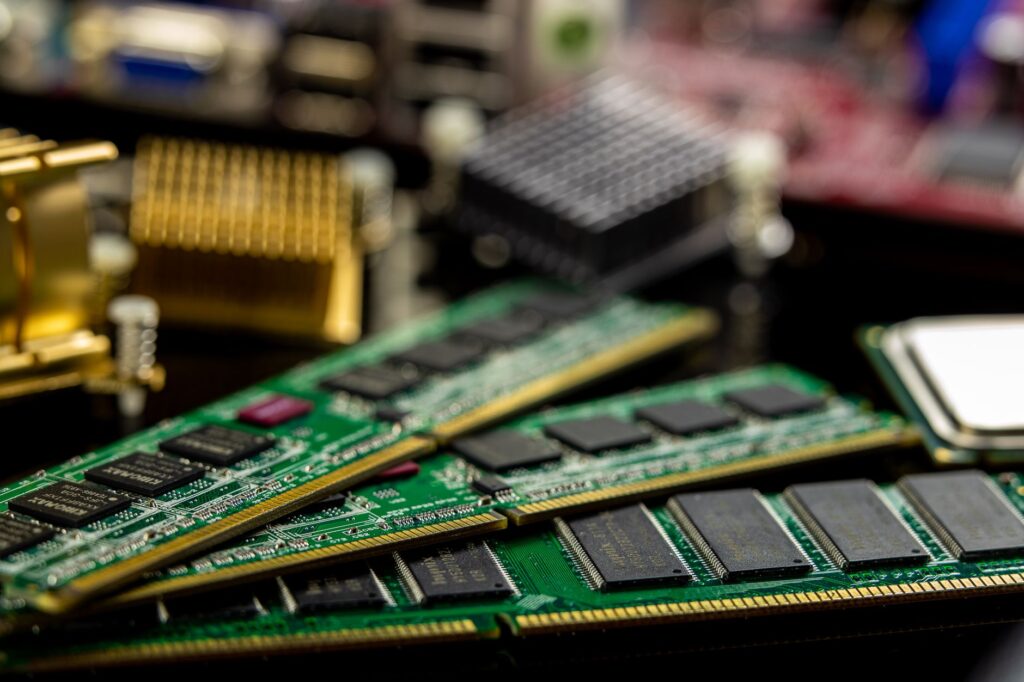
Indian investors are watching the rebound in memory chips from a slightly uncomfortable position: global chip sentiment is improving, but domestic benchmarks are soft. As of 2026-08-19, the Sensex is at 77,122.91, down -0.15% today, while the Nifty 50 is at 24,072.90, down -0.34% today. The message is clear: the memory-chip trade is back, but Indian portfolios still have to deal with currency pressure, global risk appetite and valuation discipline.
Table of Contents
- Why memory chips are back in favour
- Memory chips rally meets a cautious global tape
- What the rebound means for Indian investors
- What to watch next in the chip trade
- Expert Insight
- Frequently Asked Questions
- Key Takeaways
Why memory chips are back in favour
The July fear around chip stocks has faded, and memory chips are once again at the centre of the global semiconductor trade. Sandisk led the rebound in memory-chip names as investors looked past the earlier selloff and returned to a theme that has two powerful engines: data demand and artificial intelligence infrastructure.
The shift matters because the chip trade is no longer just about one part of the technology stack. Investors started with data centres, moved to AI accelerators, and are now reassessing the companies that supply the storage and memory layer behind the entire digital economy. When AI models grow more complex, when devices store more data, and when autonomous systems need faster real-time processing, memory chips become a core part of the story rather than a secondary supplier theme.
That is why Sandisk’s rebound is more than a stock-specific move. It signals that investors are again willing to pay attention to the memory cycle. The market is not simply chasing the most visible AI winners; it is looking for beneficiaries across the chain. This includes storage, memory, packaging, testing, equipment, design services and eventually the mobility ecosystem.
The China angle adds another layer. Horizon Robotics is preparing chips to challenge Nvidia and Tesla in autonomous driving, according to the topic brief. That pushes the semiconductor narrative beyond servers and into vehicles. If autonomous driving becomes a bigger chip-demand driver, the investment debate widens: it is not just about cloud computing, but also about mobility, sensors, onboard inference and edge computing.
For Indian investors, the question is not only whether memory chips are rallying globally. The sharper question is: how much of this theme can be accessed through listed Indian equities, global funds, exchange-traded products, or indirect suppliers? India does not yet offer the same depth of listed semiconductor exposure as the US or parts of East Asia, so portfolio construction matters as much as the headline.
Domestic market conditions add caution. The Nifty 50 is at 24,072.90, down -0.34% today, and the Sensex is at 77,122.91, down -0.15% today. That means Indian equities are not fully echoing the global chip enthusiasm at the index level. Investors need to separate theme strength from broad-market weakness.
Takeaway: memory chips are back in focus because the chip trade is broadening from AI data centres to storage, memory and autonomous mobility, but Indian investors should treat the rebound as a theme to analyse, not a signal to chase blindly.
Memory chips rally meets a cautious global tape
The rebound in memory chips comes at a time when broader global indices are not showing outright euphoria. The S&P 500 is at 7,691.76, down -0.69% today, while the NASDAQ is at 26,289.71, down -1.33% today. That is a useful warning. Chip stocks may roar back as a theme, but the broader technology tape still has risk.
This divergence is important. A rally in Sandisk and memory-chip names can happen even when wider indices are under pressure, especially if investors believe the earlier July selloff went too far. But a soft NASDAQ matters for Indian investors because it shapes foreign portfolio flows, global risk appetite and valuation benchmarks for technology stocks worldwide. If US technology weakens broadly, expensive growth assets in emerging markets can also face scrutiny.
Currency is another pressure point. USD/INR is at ₹95.71. A firm dollar-rupee rate can influence Indian investors in several ways. It can raise the rupee cost of overseas investments, affect imported technology costs, and change the performance of global funds when translated back into rupees. For companies with dollar-linked revenue, the effect may be different from companies with heavy import dependence. The impact is not uniform.
The RBI repo rate is at 5.25%. That keeps the cost-of-capital conversation relevant. High-growth technology themes often rely on expectations about future earnings, and those expectations are sensitive to discount rates. A stable but elevated policy-rate environment can make investors more selective. The result: the market may reward credible earnings visibility but punish vague thematic excitement.
Here is the cross-market setup Indian investors should keep on the screen:
| Market indicator | Latest level | Today’s move | Why it matters for Indian investors |
|---|---|---|---|
| Sensex | 77,122.91 | -0.15% | Shows domestic large-cap risk appetite on BSE |
| Nifty 50 | 24,072.90 | -0.34% | Key NSE benchmark for broad Indian equity sentiment |
| S&P 500 | 7,691.76 | -0.69% | Reflects US equity risk appetite that influences global flows |
| NASDAQ | 26,289.71 | -1.33% | Most relevant major index for global technology sentiment |
| USD/INR | ₹95.71 | Not specified | Affects rupee returns from global equities and technology imports |
| RBI repo rate | 5.25% | Not specified | Shapes domestic cost of capital and equity valuation discipline |
| Bitcoin | $64,259.00 | Not specified | Useful risk-appetite signal for speculative assets |
| Bitcoin in rupees | ₹6,151,189.00 | Not specified | Shows how currency translation matters for Indian investors |
The table shows why the memory chips rally cannot be read in isolation. The NASDAQ is weaker today, Indian benchmarks are soft, and USD/INR is elevated in rupee terms. This is not a market where investors should ignore entry price. Momentum can continue, but discipline matters.
Sandisk’s leadership in the rebound shows that investors still see value in memory-chip names after the July selloff. Yet one stock leading a rebound does not automatically validate every semiconductor-linked business. Memory chips are cyclical. Demand can improve quickly, but supply responses, pricing expectations and inventory behaviour can also change sentiment abruptly.
Horizon Robotics adds a strategic dimension. Its push to build chips that challenge Nvidia and Tesla in autonomous driving suggests that the battlefield is expanding. Data-centre AI remains critical, but automotive AI can become a second pillar of semiconductor demand. For investors, this means the chip map now includes autonomous vehicles, electric mobility platforms, edge computing and real-time decision systems.
That does not mean every company using the word “AI” deserves a premium. It means investors must identify where revenue linkage is real. Is the company selling memory chips? Is it designing chips? Is it providing engineering services? Is it manufacturing equipment? Is it only using market-friendly language? The difference matters.
Retail investors often enter thematic trades late, after the easy money has already been made. The memory-chip rebound may still have legs if pricing and demand improve, but the safer approach is to build a watchlist, compare exposure routes and avoid concentrated bets in stocks that have already moved sharply without fresh disclosed fundamentals.
Takeaway: the memory-chip rebound is powerful, but the broader market tape is cautious, so Indian investors should combine thematic conviction with valuation checks, currency awareness and position-size discipline.
What the rebound means for Indian investors
For Indian retail investors, the memory chips rally creates opportunity, but not always through direct exposure. India’s listed market has technology services, electronics manufacturing, design-linked businesses, capital goods suppliers and platform companies, but pure-play memory-chip manufacturing exposure remains limited. That means investors need to think in layers.
The first layer is global exposure. Indian investors who already own international funds, US technology funds or global semiconductor products may have indirect exposure to memory chips and semiconductors. The rupee translation matters here because USD/INR is at ₹95.71. If the rupee weakens against the dollar, rupee returns from overseas assets can look different from dollar returns. If the rupee strengthens, the translation effect can move the other way.
The second layer is domestic technology and electronics exposure. Some Indian companies may benefit from higher global technology spending, electronics supply-chain shifts or engineering demand. But investors should not assume that every Indian technology stock benefits from a memory-chip rally. Software exporters, electronics assemblers, component suppliers and design-service providers sit in different parts of the value chain.
The third layer is mobility. Horizon Robotics preparing autonomous-driving chips to challenge Nvidia and Tesla shows that mobility is becoming a semiconductor battleground. Indian investors should watch listed auto, auto-component and mobility-technology businesses for evidence of deeper electronic content, but they should demand hard disclosures. The phrase “autonomous” is not a business model by itself.
SEBI‘s regulatory framework matters here. Retail investors should read risk disclosures, fund factsheets and scheme documents before buying thematic mutual funds or exchange-traded funds. Semiconductor themes can be volatile. If a fund takes concentrated exposure to global technology, investors should understand the portfolio, expense structure, tracking risk and currency impact. A good theme can still be a poor investment if bought at the wrong price or through the wrong product.
NSE and BSE investors also need to separate cash-market investing from derivatives speculation. The excitement around semiconductors can spill into high-beta trading. But options and futures require risk controls. A short-term rally in chip sentiment does not remove the risk of gap-down moves, global news shocks or currency-led volatility.
The RBI backdrop also deserves attention. With the repo rate at 5.25%, valuation discipline remains important. Growth stocks can command premiums when earnings visibility is high, but markets become less forgiving when optimism runs ahead of cash flows. The lesson is simple: themes need earnings support.
For Indian households, this is also a personal-finance issue. Many investors already hold large exposure to domestic equity through mutual funds, provident savings, insurance-linked products or direct stocks. Adding a global chip theme may improve diversification, but it can also raise portfolio volatility. Allocation size should reflect risk tolerance, time horizon and liquidity needs.
What should investors do now?
- Check whether existing mutual funds already hold global technology or semiconductor exposure.
- Avoid buying only because a stock has rallied after the July selloff.
- Use staggered investing rather than deploying a full amount at once.
- Compare domestic indirect plays with global direct exposure.
- Track USD/INR at ₹95.71 because currency translation affects overseas returns.
- Review fund disclosures under SEBI-regulated documents before investing.
- Keep emergency money outside volatile equity themes.
The tax and accounting angle also matters for sophisticated investors. ICAI standards and financial reporting norms influence how companies disclose revenue, inventory, impairment and foreign-exchange effects. For chip-linked businesses, inventory and currency exposure can be meaningful. Investors should read annual reports carefully rather than relying only on presentation slides.
A practical approach is to divide the opportunity into baskets. One basket can hold diversified global technology exposure. Another can hold Indian electronics or engineering names with disclosed business traction. A third, smaller basket can be reserved for higher-risk thematic bets. This structure prevents one fashionable theme from dominating the portfolio.
The biggest risk is narrative overreach. Memory chips are back in favour, but not every business near the semiconductor supply chain will benefit equally. Investors should ask: where is the pricing power, where is the demand visibility, and where is the balance-sheet strength?
Takeaway: Indian investors can participate in the memory-chip rebound through global and domestic routes, but they should verify actual exposure, watch currency effects and avoid treating the semiconductor theme as a guaranteed one-way trade.
What to watch next in the chip trade
The next phase of the chip trade will depend on whether the memory chips rally broadens into durable earnings expectations or remains a sharp rebound after July fear. Indian investors should watch signals that connect market prices with real demand, especially in AI, storage, autonomous mobility and currency-sensitive global funds.
Memory pricing and inventory commentary
The most important signal for memory chips is whether companies indicate better pricing, healthier inventory and stronger demand from customers. Investors should not rely only on price action. They should look for management commentary in company filings, broker notes and fund manager updates.
If memory-chip companies describe demand as improving across data centres, devices and mobility, the market may treat the rebound as fundamental. If the language stays vague, the rally may remain more sentiment-driven than earnings-driven.
Sandisk and peer stock leadership
Sandisk led the rebound in memory-chip names, according to the topic brief. Investors should watch whether leadership stays concentrated or spreads across the sector. A narrow rally can reverse quickly if one company disappoints.
A broader rally across memory-chip names, suppliers and related technology businesses would suggest stronger conviction. But investors still need to avoid extrapolating one good trading session into a full cycle.
Horizon Robotics and autonomous driving chips
Horizon Robotics is preparing chips to challenge Nvidia and Tesla in autonomous driving. That matters because autonomous mobility creates different chip needs from cloud AI. Vehicles require real-time processing, reliability and edge decision-making.
For Indian investors, the second-order impact may show up in auto electronics, software engineering, mapping, sensors and electric mobility supply chains. The signal to watch is whether automakers and suppliers increase disclosed spending on advanced driver systems and onboard computing.
NASDAQ and global risk appetite
The NASDAQ is at 26,289.71, down -1.33% today. That makes it a key indicator. If global technology indices remain weak, individual chip rallies may face resistance from broader risk-off sentiment.
Indian investors should watch whether chip strength can hold even when the NASDAQ is soft. If it can, the market may be distinguishing memory chips from the wider technology complex. If it cannot, the theme may remain hostage to global growth-stock volatility.
USD/INR and rupee returns
USD/INR is at ₹95.71. For Indian investors buying global funds or overseas equities, this is not a footnote. Currency movement can materially alter rupee-denominated returns.
A strong dollar can support rupee returns on existing overseas holdings, but it can also make fresh investments more expensive. A rupee reversal can reduce the currency benefit even if the underlying dollar asset performs well. Investors should judge both asset performance and currency translation.
Takeaway: the next signal is not just whether chip stocks rise again, but whether memory chips show real demand improvement, broader sector participation and resilience despite weak global technology indices.
Expert Insight
Analysts tracking global technology cycles say the latest rebound in memory chips reflects a market that is looking beyond the first wave of AI winners and into the infrastructure layers that support data growth, storage demand and autonomous mobility. They also caution that Indian investors should not confuse a rebound in Sandisk-led memory-chip names with a blanket buy signal for every semiconductor-linked company; the better approach is to study actual revenue exposure, balance-sheet strength, currency sensitivity and the role of SEBI-regulated product disclosures before allocating capital.
Takeaway: the expert view is constructive on the theme but selective on execution, which means investors should favour verified exposure over fashionable labels.
Frequently Asked Questions
Are memory chips a good investment for Indian retail investors
Memory chips can be part of a thematic equity allocation, especially for investors who understand technology cycles and can tolerate volatility. The opportunity is linked to AI, storage demand and mobility, but the sector can move sharply in both directions. Indian investors should use diversified routes where possible and avoid overconcentration.
How can I invest in semiconductor stocks from India
Indian investors can look at domestic listed companies with genuine semiconductor, electronics or design exposure, or consider global funds and other regulated products that invest in overseas technology themes. Before investing, read SEBI-regulated disclosures, fund factsheets and risk documents. Also watch USD/INR at ₹95.71 because currency movement affects rupee returns.
Why did Sandisk become important in the memory-chip rally
Sandisk led the rebound in memory-chip names after investors moved past July’s selloff, according to the topic brief. That leadership matters because it shows renewed interest in the memory layer of the semiconductor value chain. Still, investors should not buy only because a stock leads a rally; they should check fundamentals and valuation.
Does Horizon Robotics affect Indian auto and technology stocks
Horizon Robotics preparing chips to challenge Nvidia and Tesla in autonomous driving signals that semiconductors are moving deeper into mobility. For India, the impact may be indirect through auto electronics, engineering services, electric mobility and software-led vehicle systems. Investors should wait for company-specific disclosures rather than assuming automatic benefits.
Should I buy chip stocks when the NASDAQ is falling
A falling NASDAQ does not automatically make chip stocks unattractive, but it does raise risk. The NASDAQ is at 26,289.71, down -1.33% today, so global technology sentiment is cautious. Investors should stagger entries, avoid leverage and focus on companies or funds with clear exposure rather than chasing momentum.
Takeaway: retail investors are right to search for ways into the chip theme, but the safest route is disciplined allocation, verified exposure and awareness of global market risk.
Key Takeaways
- Memory chips are back in focus after July fear faded, with Sandisk leading a sharp rebound in memory-chip names.
- Indian benchmarks are soft today: the Sensex is at 77,122.91, down -0.15%, and the Nifty 50 is at 24,072.90, down -0.34%.
- Global technology risk remains visible because the NASDAQ is at 26,289.71, down -1.33%, even as the semiconductor theme stays active.
- USD/INR at ₹95.71 matters for Indian investors using global funds or overseas equity routes.
- The RBI repo rate at 5.25% keeps valuation discipline relevant for growth and technology stocks.
- Horizon Robotics’ autonomous-driving chip push shows that semiconductors are expanding beyond data centres into mobility.
- The best approach is selective participation: verify exposure, read SEBI-regulated disclosures, stagger investments and avoid chasing every stock linked loosely to memory chips.
Disclaimer: This article is for informational purposes only and does not constitute investment advice. Please consult a SEBI-registered financial advisor before making investment decisions.
Sources & references

Bhavik Vaid
Bhavik Vaid writes on Indian markets, taxation, banking and personal finance for CADialogue. He covers RBI policy, GST and income-tax changes, mutual funds and market moves, translating them into practical guidance for retail investors, salaried professionals and business owners in India.


