Credit Card Mistakes: 10 Habits That Can Hurt Your CIBIL Score
Small credit card habits can create big financial damage. Here are 10 mistakes Indian users must avoid to protect their CIBIL score and loan eligibility.
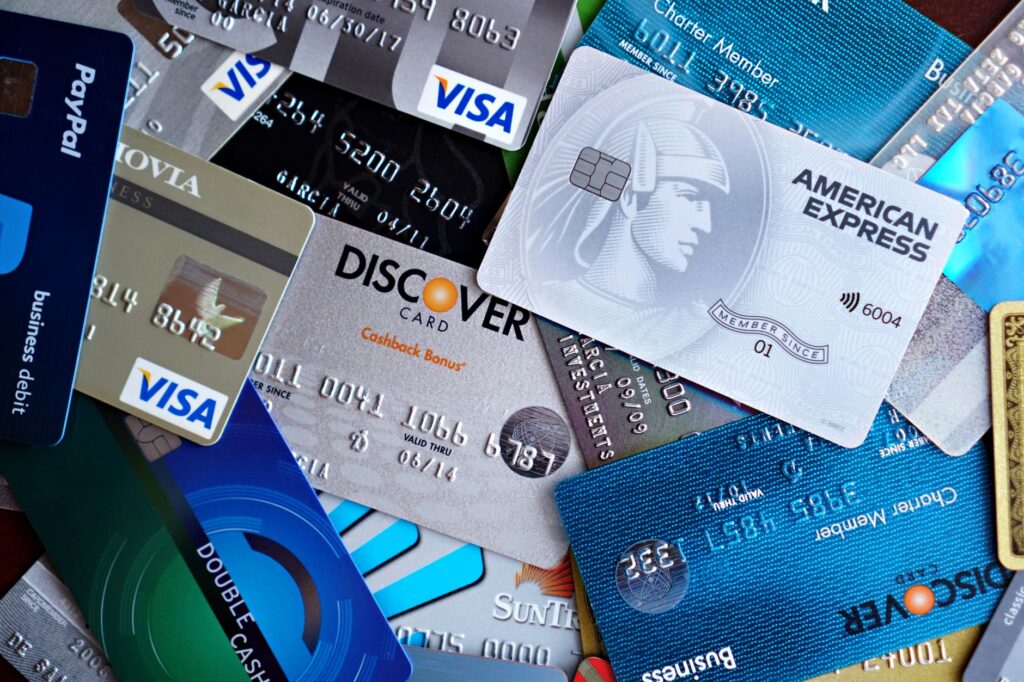
Credit card mistakes look harmless at first, but they can quietly reduce your CIBIL score, increase interest costs and weaken your chances of getting a home loan, car loan or personal loan. A credit card is useful only when it improves cash flow, not when it becomes a high-cost borrowing trap.
In India, banks and NBFCs report credit behaviour to bureaus such as CIBIL, Experian, Equifax and CRIF High Mark. RBI has also pushed for faster credit reporting, which means both good and bad repayment behaviour can reflect sooner in your credit report. Here are the 10 habits you should avoid.
Credit card mistakes that hurt your CIBIL score
Your CIBIL score, a three-digit credit score usually ranging from 300 to 900, depends mainly on repayment history, credit utilisation, credit age, credit mix and hard inquiries. A score above 750 is generally considered strong by lenders.
The most damaging credit card mistakes are not always dramatic defaults. Often, they are routine habits repeated over months.
1. Missing the payment due date
Missing even the minimum amount due can lead to late payment fees, interest charges and a negative entry in your credit report. Payment history carries high weight in credit scoring. A 30 days past due entry can sharply affect loan eligibility.
Set auto-pay for at least the minimum amount due. Ideally, pay the full outstanding before the due date. RBI rules require banks to follow fair billing practices under its credit card directions, but interest can still apply if you carry unpaid balances.
2. Paying only the minimum amount due
The minimum due is not a discount. It only helps you avoid being treated as a defaulter for that billing cycle. The unpaid balance attracts finance charges, often around 3 percent to 3.75 percent per month, depending on the card.
For example, if you have Rs 1 lakh outstanding and pay only Rs 5,000, interest applies on the remaining balance. Fresh purchases may also lose the interest-free period. This is one of the most expensive credit card mistakes for salaried users.
Credit card payment mistakes: minimum due, cash and EMIs
3. Using credit card cash withdrawals
A credit card cash withdrawal is a cash advance, not a normal card purchase. It usually attracts a cash withdrawal fee, GST on the fee and interest from day one. There is no interest-free period.
If you withdraw Rs 20,000, the fee and first month interest can cost over Rs 1,000 before you even repay the principal. Use this only in a real emergency. A small personal loan or overdraft may be cheaper.
4. Converting every purchase into EMI
EMI conversion can help for planned purchases, but excessive EMI usage reduces monthly cash flow. Many no-cost EMI offers include processing fees, GST or embedded discounts that you may lose.
Before converting to EMI, check the Key Fact Statement, or KFS, which lists charges, interest rate and repayment terms. If your total EMI burden is already high, avoid adding card EMIs.
5. Spending beyond repayment capacity
Rewards, cashback and airport lounge access are useful only if you can repay the bill in full. Funding lifestyle expenses through credit cards can lead to revolving debt, collection calls and long-term credit damage.
A simple rule helps. Keep monthly card spends within your budgeted cash flow. Do not treat your credit limit as income.
Credit utilisation mistakes that make lenders nervous
Credit utilisation ratio means the percentage of your available credit limit that you use. If your total card limit is Rs 2 lakh and your outstanding is Rs 1 lakh, your utilisation is 50 percent.
6. Keeping utilisation above 30 percent
High utilisation signals credit dependency. Lenders may see you as financially stretched even if you pay on time. Try to keep total utilisation below 30 percent across all cards.
If your limit is Rs 2 lakh, keep reported usage below Rs 60,000. You can also pay part of the bill before statement generation to lower reported utilisation.
7. Maxing out the credit limit
Using 90 to 100 percent of your limit is a strong risk signal. It reduces your emergency buffer and can hurt your score quickly. It may also affect future limit increases, personal loan pricing and home loan approval.
Set a personal cap at 30 to 40 percent of your limit. Use UPI or debit card for routine spending if your card balance is rising too fast.
8. Applying for too many credit cards
Every formal credit card application can trigger a hard inquiry, which means a lender checks your credit report for approval. Too many hard inquiries in a short period can make you look credit-hungry.
Avoid applying for multiple cards just for welcome benefits. Space applications by at least a few months. Check pre-approved offers first, as these may involve softer checks.
Credit card safety mistakes under RBI rules
9. Ignoring monthly statements
Auto-pay is useful, but it is not a substitute for checking statements. Review every charge, fee, interest entry and reward reversal. Fraudulent transactions or wrong charges can raise your outstanding and affect repayment.
Enable SMS and app alerts. Report suspicious transactions immediately to the bank. If the bank does not resolve the complaint, you can escalate through the RBI Complaint Management System.
10. Closing old cards without checking impact
Closing an old card can reduce your average credit age and total available limit. This may increase utilisation and pull down your score. If the card has a high annual fee, ask for a fee waiver or downgrade to a lifetime-free variant.
Keep your oldest card active with small, controlled usage. Pay it in full every month.
What this means for you: avoid credit card mistakes
A good credit card strategy is simple and disciplined:
- Pay the full bill before the due date
- Keep credit utilisation below 30 percent
- Avoid cash withdrawals and unnecessary EMIs
- Check statements every month
- Report fraud quickly
- Do not apply for too many cards together
- Keep old cards active if they are useful and low-cost
Credit cards can build a strong credit profile when used for convenience and rewards. But repeated credit card mistakes can damage your CIBIL score, raise borrowing costs and reduce loan eligibility. Treat your card like a payment tool, not an emergency income source. For deeper credit report guidance, read CIBIL’s official guide on understanding your credit report.
Sources & references

Bhavik Vaid
Bhavik Vaid writes on Indian markets, taxation, banking and personal finance for CADialogue. He covers RBI policy, GST and income-tax changes, mutual funds and market moves, translating them into practical guidance for retail investors, salaried professionals and business owners in India.


