Bitcoin Investment 2026: Risks, Rewards for Indians
Bitcoin may offer long-term upside, but Indian investors must weigh volatility, VDA tax rules, TDS, regulation and custody risks before investing.
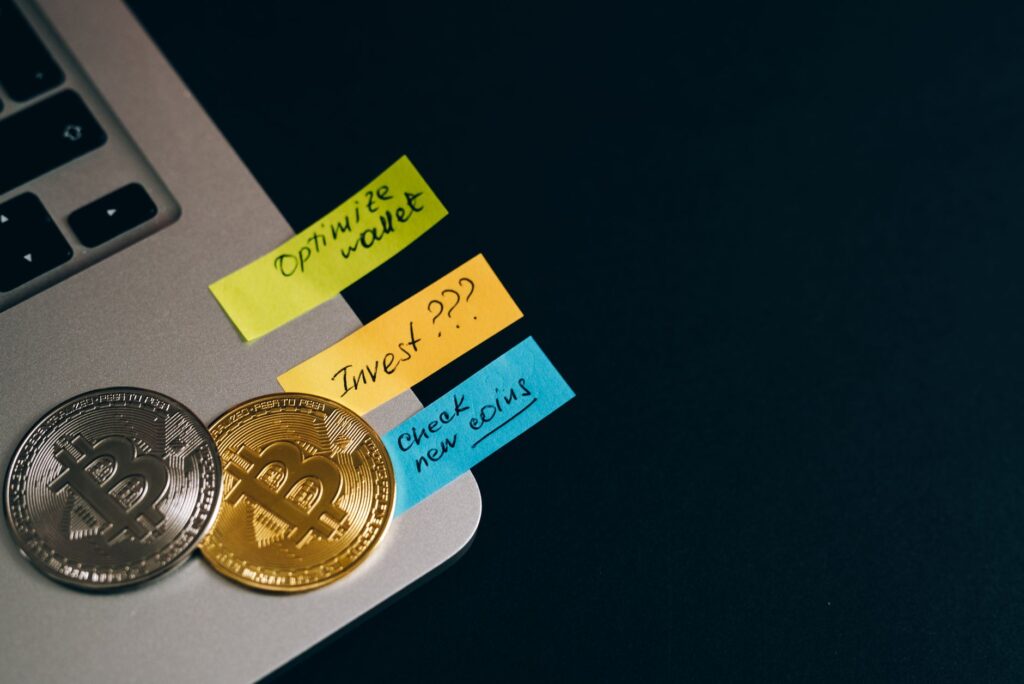
Bitcoin is no longer a fringe bet, but it is still not an FD-like safe product. Bitcoin investment in 2026 looks attractive to many investors because of scarcity, ETF-led institutional interest and the digital gold narrative, but the risks remain serious.
For Indian retail investors, the decision is more complex. Bitcoin is taxed as a virtual digital asset, or VDA, and gains face a flat 30% tax plus cess. The RBI continues to warn about crypto risks, while exchanges must follow anti-money-laundering rules. In short, Bitcoin may deserve attention, but not blind faith.
Bitcoin investment in 2026: why investors are looking again
Bitcoin has moved from a speculative internet asset to a globally tracked alternative asset. Large asset managers, spot Bitcoin ETFs in overseas markets, corporate treasury discussions and better custody infrastructure have improved its legitimacy.
The core investment argument rests on scarcity. Bitcoin supply is capped at 21 million coins. After the 2024 halving, the pace of new supply reduced further. Supporters compare this to gold, where limited supply helps support long-term value.
Another driver is liquidity. Bitcoin trades 24/7 across global exchanges, unlike Indian equities on NSE and BSE, which follow market hours. This makes it accessible, but also exposes investors to sudden overnight moves.
Some analysts expect Bitcoin to benefit if global interest rates ease and liquidity improves. Risk assets, including equities and crypto, often do well when money becomes cheaper. But these are forecasts, not guarantees. Bitcoin has also fallen sharply during global risk-off periods.
Bitcoin risks in 2026: volatility, regulation and security
Bitcoin remains a high-risk asset. It can rise fast, but it can also fall 20% to 50% within weeks. In past cycles, Bitcoin has seen drawdowns of more than 70%. Such volatility is unsuitable for investors who need capital protection or predictable income.
The main risks include:
- Price volatility, sharp swings can damage short-term portfolios and trigger panic selling.
- Regulatory uncertainty, India and other countries can change crypto rules, taxation or platform access.
- Custody risk, lost private keys, phishing attacks and exchange hacks can cause permanent loss.
- Platform risk, crypto exchanges are not protected like bank deposits or regulated mutual funds.
- Correlation risk, Bitcoin may fall with equities during market stress, reducing diversification benefits.
- Tax risk, poor reporting of VDA gains or TDS can lead to notices and penalties.
This is why Bitcoin should not be compared with SIPs in equity mutual funds, PPF, EPF, FDs or high-quality bonds. It belongs in the high-risk bucket of a portfolio.
Bitcoin tax in India: VDA rules every investor must know
In India, Bitcoin and cryptocurrencies are treated as virtual digital assets under the Income Tax Act. The tax framework is strict and should be understood before investing.
Gains from transfer of Bitcoin are taxed at a flat 30% under Section 115BBH, plus 4% health and education cess. Surcharge may also apply depending on income level. Only the cost of acquisition is allowed as deduction. Trading fees, internet cost, research expenses or advisory charges are generally not deductible.
Loss treatment is even tougher. Bitcoin losses cannot be set off against salary income, business income, capital gains or even gains from another VDA. Losses also cannot be carried forward.
A 1% TDS (tax deducted at source) applies on most VDA transfers above specified annual thresholds, generally ₹10,000 for most taxpayers and ₹50,000 for specified persons under the law. Investors must reconcile TDS with Form 26AS and report crypto income properly in the ITR, typically under Schedule VDA.
For updated tax rules, investors should check the Income Tax Department website or consult a Chartered Accountant. Crypto taxation is not optional. Even small trades can create reporting requirements.
Bitcoin regulation in India: what RBI, FIU and SEBI mean for investors
Bitcoin is not banned in India. However, it is also not recognised as legal tender. You cannot use it like the rupee for official payments. The RBI has repeatedly flagged risks linked to consumer protection, fraud, money laundering, currency stability and financial system exposure.
Crypto exchanges operating in India must comply with FIU-IND registration and anti-money-laundering norms. This matters because non-compliant offshore platforms may face restrictions, blocking or banking issues. Investors should prefer platforms that follow Indian compliance requirements and provide transaction statements for tax filing.
SEBI does not directly regulate Bitcoin because it is not classified like listed shares, mutual funds or bonds. This means investor protection is limited compared with products regulated by SEBI, RBI, IRDAI or PFRDA.
Global regulation also matters. US ETF flows, European crypto rules, institutional custody standards and global AML frameworks can affect Bitcoin prices. Indian investors are exposed to these global shocks even if they buy through an Indian platform.
What Bitcoin investment in 2026 means for Indian investors
Bitcoin investment in 2026 may suit only a narrow category of investors. It can be considered by those with stable income, adequate emergency funds, health insurance, no high-cost debt and a long time horizon of at least five years.
For most retail investors, Bitcoin should not be a core holding. Equity mutual funds through SIPs, diversified Nifty or Sensex-linked funds, EPF, PPF, FDs and high-quality debt funds should come first. Bitcoin can be a small satellite allocation after the basics are in place.
A conservative investor may avoid it completely. A moderate investor may consider up to 1% to 3% of the portfolio. An aggressive investor with strong risk appetite may consider 3% to 5%, but only with clear rebalancing rules. Investing through borrowed money, credit cards, personal loans or leverage is a major red flag.
Investors should also avoid FOMO. Do not buy only because prices are rising or social media is bullish. Use gradual investing if needed, keep records of every transaction, secure accounts with two-factor authentication and understand wallet safety before moving coins.
Bitcoin investment in 2026 offers potential upside, but it also brings tax, compliance, custody and volatility risks that many investors underestimate.
The clear takeaway is simple. Treat Bitcoin as a speculative, high-risk diversifier, not as a guaranteed wealth creator. Invest only money you can afford to lose, stay compliant with Indian VDA tax rules and speak to a qualified financial advisor or CA before taking a large position.
Sources & references

Bhavik Vaid
Bhavik Vaid writes on Indian markets, taxation, banking and personal finance for CADialogue. He covers RBI policy, GST and income-tax changes, mutual funds and market moves, translating them into practical guidance for retail investors, salaried professionals and business owners in India.


