Bank Strike Alert: Branch Closures and Sunday Opening
Bank strike may disrupt branch services across India. Check Sunday openings, October 2 closure and digital banking options customers can use instead.
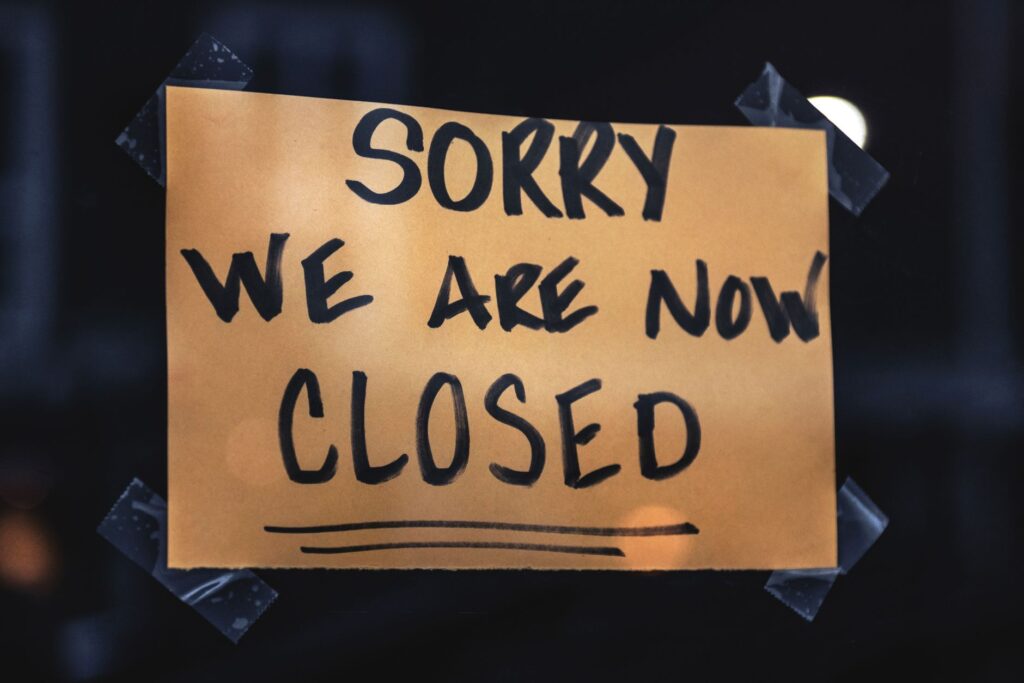
A planned nationwide bank strike creates a compressed service week for Indian customers: public-sector and regional rural banks opened on Sunday ahead of the disruption, while Gandhi Jayanti brings a separate nationwide branch closure on October 2. The strike, called for September 28, 29 and 30, could interrupt branch-dependent work even though UPI, internet banking, ATMs and RTGS generally remain available.
Table of Contents
- Why the Bank Strike and Sunday Opening Happened
- Bank Strike Schedule and Services Available
- Why the Bank Strike Matters for Indian Investors
- What Customers Should Do Before Visiting a Branch
- What to Watch Next
- Expert Insight
- Frequently Asked Questions
- Key Takeaways
The practical priority is simple: verify your branch’s status before travelling and complete documentation-heavy or cheque-related work as early as possible.
Why the Bank Strike and Sunday Opening Happened
The United Forum of Bank Unions, or UFBU, has confirmed a three-day nationwide strike on September 28, 29 and 30 after conciliation talks failed to resolve a dispute over the implementation of a revised Performance Linked Incentive scheme. UFBU is an umbrella body of seven unions representing close to 90% of India’s bank officers and staff, according to the Mint report.
That reach makes the bank strike operationally significant even without a blanket closure order applying identically to every lender. A strike affects staffing, not merely the holiday calendar. A branch may be scheduled to operate but still face limited capacity if employees participate, while another bank may function more normally because its workforce is less affected.
Public-sector and regional rural banks opened on Sunday ahead of the proposed action. That unusual opening gave customers an additional window for urgent branch work before the disruption. It should not, however, be read as a guarantee that every branch offered every service. Customers still need to confirm local availability, especially for transactions that depend on designated officers, cash counters or document verification.
The dispute extends beyond the revised incentive framework. UFBU’s demands include the immediate introduction of a five-day banking week and restoration of the Old Pension Scheme, among other issues. The Finance Ministry has urged employees not to participate in the strike.
The immediate disagreement is therefore part of a broader debate over compensation, working conditions, pensions and the structure of the banking week. These issues affect employees directly, but customers experience the consequences through branch staffing, service queues, cheque processing and delays in documentation.
The timing adds another complication. All banks across India will remain closed on October 2 for Gandhi Jayanti. This is a gazetted holiday and applies to major public- and private-sector lenders, including SBI, HDFC Bank, ICICI Bank and PNB. The October 2 closure is separate from the strike and should not be treated as evidence that private banks are participating in the industrial action.
Most private banks are likely to remain open during the strike period, according to the source material. “Likely” matters here. Customers should avoid assuming that a private-bank branch will operate at full capacity without checking its official communication or contacting the branch.
Why open branches on Sunday if digital payments already work around the clock? Because banking is not fully digital. Many routine payments have moved online, but account changes, documentation, certain cash transactions and some service requests still require human intervention or a physical visit.
The Sunday opening is best viewed as a contingency window, while the strike and Gandhi Jayanti remain separate reasons for possible branch unavailability.
Bank Strike Schedule and Services Available
The week contains different categories of disruption: an exceptional Sunday opening, a union-led strike and a nationwide gazetted holiday. Customers should distinguish among them because the impact on private banks, PSU banks and digital channels is not identical.
The broad schedule is as follows:
| Period | Reason | Likely Branch Impact | Customer Response |
|---|---|---|---|
| Sunday before the strike | Special opening ahead of proposed industrial action | Public-sector and regional rural bank branches opened, subject to local service availability | Use the additional window for urgent branch-dependent work |
| September 28 | Nationwide bank strike | PSU banks and other affected institutions may face disruption | Confirm branch staffing before travelling |
| September 29 | Nationwide bank strike | Branch services may remain affected | Prefer digital banking for eligible transactions |
| September 30 | Nationwide bank strike | Continued risk of reduced branch operations | Postpone non-urgent physical requests if necessary |
| October 2 | Gandhi Jayanti | All bank branches across India remain closed | Use available digital channels and plan branch work around the holiday |
A bank strike does not switch off the entire financial system. The most visible disruption usually occurs at the branch: cash deposits made over the counter, cheque-related work and requests requiring documents or staff approval may be paused or delayed in affected locations.
The following services generally remain available even when branches are closed:
- UPI for eligible digital payments and transfers
- Internet banking for supported account services
- Mobile banking for payments, transfers and account access
- ATMs for cash withdrawals and other supported transactions
- RTGS for electronic fund transfers
- Digital access to balances and transaction records, where provided by the bank
The RBI says the RTGS system is available 24x7x365, including bank holidays. That provides an important electronic transfer route during the closure period, but customers should still ensure that beneficiary details are correct and that their bank’s customer-facing channel is functioning normally.
UPI and internet or mobile banking can generally support payments and fund transfers. ATMs also generally remain accessible. The critical distinction is between system availability and transaction suitability: a digital channel may be running, but it cannot replace every task performed at a branch.
Services that may require a branch visit include certain account-related requests and documentation. Cheque-related work and over-the-counter cash deposits can also be disrupted in regions observing a holiday or affected by the strike. Customers with such tasks should not wait until the final available branch window.
There is also a difference between initiating a request and completing it. A customer may submit information online, but the bank may still require document verification or staff action before final processing. If branch teams are unavailable, the request can remain pending even though the app or website accepts it.
Customers should also avoid treating an ATM as a full substitute for a branch. It can support cash withdrawal and other enabled transactions, but it cannot resolve every account restriction, documentation discrepancy or service complaint. Cash availability may also vary by location, so withdrawing essential cash early is more prudent than waiting for the middle of a disruption.
Cheque users face a more specific concern. Physical acceptance, handling and branch-level action may not proceed normally during a strike or holiday. Anyone relying on a cheque for an urgent obligation should contact the relevant bank and the receiving party rather than assuming the usual timeline will apply.
Private-bank customers have more scope for normal branch access during the strike because most private lenders are likely to remain open. Yet their branches will also close on October 2. A customer of HDFC Bank or ICICI Bank may therefore avoid much of the industrial-action impact while still facing the nationwide holiday closure.
PSU banks face greater perceived exposure because the strike is being led by an umbrella organisation with a broad representation of officers and staff. The actual impact can still differ by institution, city and branch. Official bank notices remain more reliable than social-media messages or forwarded lists.
Regional rural bank customers should pay particular attention to local communication. Sunday opening provides some relief, but customers in areas with fewer nearby branches may have less flexibility if their regular location is affected. Digital banking can reduce the problem only where the customer has working credentials, a functioning device and access to the required service.
The core takeaway is that digital payment rails continue to provide continuity, but branch-dependent transactions remain the weak point during the bank strike.
Why the Bank Strike Matters for Indian Investors
For retail investors, a banking disruption can matter even when the stock exchanges and broker platforms remain accessible. Investment activity depends on a chain that includes the investor’s bank, payment channel, broker, depository arrangements and the relevant market infrastructure. A branch closure may not stop an online market order, but it can complicate the movement of funds if the investor relies on a branch-based transaction or needs urgent bank assistance.
Investors should not automatically equate bank holidays with stock-market holidays. Banks, NSE, BSE, brokers and SEBI-regulated intermediaries follow their own operating frameworks and published schedules. Check the relevant exchange and broker notifications rather than assuming that a branch closure means trading is unavailable-or that an open market means every banking service will work normally.
The market backdrop also argues against last-minute operational risk. As of September 28, the Sensex stands at 72,888.01, down 1.36% today, while the Nifty 50 is at 22,837.00, down 1.31%. These moves do not prove that the bank strike caused the decline, but they show that Indian equities are already experiencing a weak session.
When markets are volatile, investors may want to add funds, meet a broker request, rebalance a portfolio or respond to a sudden price move. If the money is in an account that requires branch assistance, a banking disruption can become an investment constraint. The problem is not necessarily market access; it is operational readiness.
The rupee adds another consideration for Indians with overseas expenses or global investments. USD/INR stands at ₹95.96. Customers expecting a foreign-currency requirement should avoid leaving bank-dependent documentation or approvals until a closure period, particularly when the request cannot be completed through their existing digital facilities.
The RBI repo rate stands at 5.25%. The strike does not change the policy rate, loan contract or deposit agreement by itself. Borrowers must continue to follow their normal payment obligations unless their lender communicates otherwise. A closed branch is not a reason to assume that an equated payment, card bill or other due instruction has been suspended.
Investors should focus on practical continuity:
- Maintain adequate funds in the bank account connected to the broker.
- Complete branch-dependent transfers before the expected disruption.
- Verify whether the broker accepts the digital payment route you plan to use.
- Do not wait for a sharp market move before testing banking credentials.
- Keep beneficiary details updated and recheck them before a transfer.
- Download recent bank and broker transaction records where available.
- Confirm official market and banking schedules separately.
- Avoid acting on unverified messages claiming that all financial services are closed.
A falling market can encourage impulsive decisions. Operational uncertainty makes those decisions riskier. An investor who cannot transfer funds as expected may chase a price later, while another may sell unnecessarily because of confusion over account access. Planning helps separate an investment judgment from a banking inconvenience.
The same principle applies to redemption proceeds and other investment-related credits. Digital systems may continue to function, but investors should not make commitments based on an assumed branch-processing timeline. Check with the bank, broker or regulated intermediary responsible for the specific transaction.
This is also a cybersecurity moment. Strike alerts and holiday messages create an opening for fraudsters to send false “account activation”, “UPI re-verification” or “urgent KYC” links. Customers should use only the bank’s official application, website, helpline or verified branch contact. No strike notice justifies sharing an OTP, PIN or password.
SEBI regulates securities-market intermediaries, while the RBI oversees the banking and payment-system context relevant here. Their roles are distinct. If an investment platform works but a bank channel does not, customers should identify which institution controls the failed step before escalating the complaint.
The investor takeaway is clear: maintain liquidity and verified digital access before volatility and branch disruption collide.
What Customers Should Do Before Visiting a Branch
Start by identifying whether your task truly requires physical presence. A UPI transfer, supported mobile-banking payment or internet-banking request can often proceed without a branch. Documentation, certain account changes, cheque-related work and some cash transactions may need staff assistance.
Do not travel based only on a generic bank-holiday list. Check your bank’s official website, mobile app, customer-care channel or branch notice. Local operations can differ, particularly during industrial action, because employee participation and staffing may vary.
Customers with urgent work should use a practical checklist:
- Confirm whether the regular branch is open and adequately staffed.
- Ask whether the specific counter or officer required for the transaction is available.
- Carry all documents requested by the bank to avoid a repeat visit.
- Finish cheque-related or over-the-counter cash work early.
- Activate and test mobile or internet banking before the closure period.
- Check that the registered mobile number can receive authentication messages.
- Confirm UPI access and transaction credentials through the official app.
- Locate a nearby ATM rather than depending on a single machine.
- Keep sufficient funds in the account used for essential automated payments.
- Save official customer-care details before a problem occurs.
- Inform a payment recipient if a branch-dependent transaction may be delayed.
- Ignore unsolicited links claiming to restore banking access during the strike.
Sunday opening can help, but customers should not assume it removes all pressure. An exceptional working day can attract heavier demand as people bring forward tasks that would otherwise have been completed during the strike. Arriving with incomplete paperwork can waste the extra opportunity.
Senior citizens, customers unfamiliar with digital banking and people handling documentation for family members should seek help only from trusted relatives or authorised bank channels. Sharing credentials with an unknown “support executive” creates far more risk than waiting for the branch to reopen.
Business customers should review incoming and outgoing payment needs before the disruption. Those dependent on cash deposits or cheque handling may need to coordinate with counterparties. The aim is not to bypass controls but to avoid promising completion on a day when branch action may be limited.
Borrowers should ensure that the account used for scheduled payments has adequate funds. The continued availability of digital services does not guarantee that every failed instruction will resolve automatically. If a payment issue arises, retain transaction records and contact the lender through an official channel.
Customers expecting money should distinguish between a sender’s claim that payment has been initiated and actual credit in the account. Verify the credit through the official banking channel. A screenshot is not proof that funds have arrived.
If digital banking fails, avoid repeated actions without checking transaction status. Multiple attempts can create confusion about whether a payment is pending, failed or completed. Use the bank’s transaction history and official support channel before trying an alternative route.
The customer takeaway is to move urgent physical work forward, test digital access now and verify every communication through official channels.
What to Watch Next
Outcome of Talks Between UFBU and the Authorities
Conciliation talks have failed to resolve the dispute over the revised Performance Linked Incentive scheme, leading UFBU to confirm the strike. Any renewed engagement, postponement, withdrawal or settlement would change the expected branch impact, so customers should monitor official union, bank and government communication rather than recycled media graphics.
Participation Across PSU Banks
UFBU represents close to 90% of India’s bank officers and staff through seven unions, but representation does not necessarily produce identical disruption at every branch. Watch for lender-specific notices explaining whether services, counters or local offices will operate with reduced staffing.
Private-Bank Service Advisories
Most private banks are likely to remain open during the strike period. Customers should still check branch-specific information and remember that the October 2 Gandhi Jayanti closure applies across the banking system, including private-sector lenders.
Digital Banking Stability
UPI, internet banking, mobile banking, ATMs and RTGS provide the main continuity channels. Monitor official service notifications and transaction status carefully, especially if customer demand shifts heavily toward online systems during reduced branch availability.
Local Holiday and Branch Calendars
The national strike dates and Gandhi Jayanti do not eliminate the need to check local calendars. Before visiting, confirm whether the branch is open, whether the required employee is available and whether the requested service can be completed that day.
The forward-looking takeaway is to respond to confirmed operational notices, not rumours about blanket closures or service restoration.
Expert Insight
Banking operations analysts would treat this as a liquidity-and-access problem rather than a reason for financial panic. The strike chiefly threatens branch-dependent activity, while UPI, internet banking, mobile banking, ATMs and RTGS provide alternative routes for many routine transactions; the sensible response is therefore to pre-fund essential accounts, finish document-heavy work early, verify lender-specific notices and avoid making market decisions merely because a branch is unavailable. The expert takeaway is to build operational flexibility before the disruption instead of seeking emergency workarounds during it.
Frequently Asked Questions
Are banks closed during the September 28, 29 and 30 strike?
The UFBU has confirmed a nationwide strike for September 28, 29 and 30. PSU banks and other affected institutions may face branch disruption, but the exact impact can vary by bank and location. Most private banks are likely to remain open during the strike period.
Why did public-sector banks open on Sunday?
Public-sector and regional rural banks opened on Sunday ahead of the planned strike, giving customers another opportunity to complete urgent branch work. Customers should still verify whether their specific branch and required service are available rather than assuming full operations.
Will UPI, ATMs and internet banking work during the bank strike?
UPI, internet banking, mobile banking and ATMs generally remain available even when branches are closed. The RBI says RTGS operates 24x7x365, including bank holidays, but customers should check transaction status and use only official banking channels.
Are SBI, HDFC Bank, ICICI Bank and PNB closed on October 2?
All banks across India will remain closed on October 2 for Gandhi Jayanti. That includes major public- and private-sector lenders such as SBI, HDFC Bank, ICICI Bank and PNB. Digital services generally remain available even though physical branches are closed.
What banking work should I complete before the strike?
Prioritise cheque-related work, over-the-counter cash deposits, documentation and account requests that require branch staff. Also test digital banking access, keep adequate funds for scheduled payments and confirm your branch’s operating status before travelling.
The FAQ takeaway is that branches may face disruption, but customers with verified digital access and advance planning can still complete many routine transactions.
Key Takeaways
- The bank strike is scheduled for September 28, 29 and 30 after conciliation talks failed over a revised Performance Linked Incentive scheme.
- UFBU is an umbrella organisation of seven unions representing close to 90% of India’s bank officers and staff.
- Public-sector and regional rural banks opened on Sunday ahead of the proposed disruption.
- Most private banks are likely to remain open during the strike, but customers should confirm the status of their local branch.
- All bank branches across India will remain closed on October 2 for Gandhi Jayanti.
- UPI, internet banking, mobile banking and ATMs generally remain available, while the RBI says RTGS operates 24x7x365.
- Complete cheque-related work, documentation and other branch-dependent requests early.
- Keep adequate money in accounts used for loan payments, bills and investment transfers.
- Check bank, broker, NSE and BSE schedules independently instead of assuming that a bank closure automatically changes market operations.
- Use only official apps, websites and helplines; strike-related messages can become a pretext for phishing and credential theft.
The final takeaway is to plan for branch disruption without confusing it with a shutdown of India’s digital banking or investment infrastructure.
Disclaimer: This article is for informational purposes only and does not constitute investment advice. Please consult a SEBI-registered financial advisor before making investment decisions.
Sources & references

Bhavik Vaid
Bhavik Vaid writes on Indian markets, taxation, banking and personal finance for CADialogue. He covers RBI policy, GST and income-tax changes, mutual funds and market moves, translating them into practical guidance for retail investors, salaried professionals and business owners in India.


