Gold Prices Shock Jewellery Demand; Titan Bulls Bet
High gold prices and duty hikes may curb jewellery volumes, but Titan bulls see upside from premiumisation, trust and execution-led growth in India.
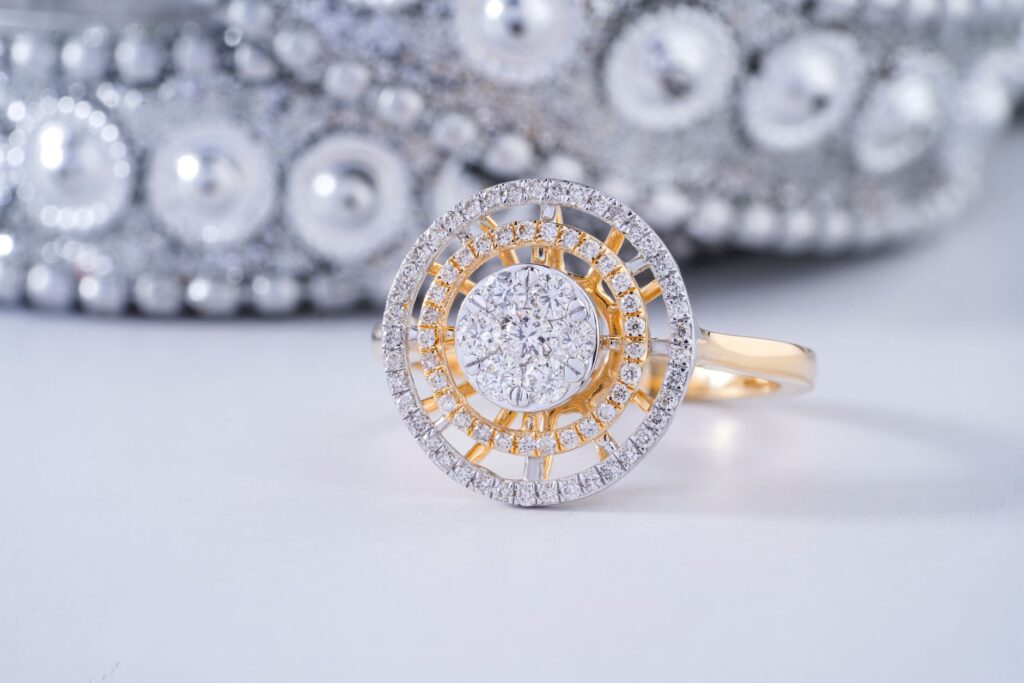
Crisil’s warning is blunt: high gold prices and an import duty hike are set to drag jewellery demand, even as Morgan Stanley’s bullish view on Titan keeps the market debate alive. The tension is sharp, consumers may buy less jewellery by weight, but investors are still willing to pay attention to a branded jewellery compounder that can use premiumisation, trust and execution to defend growth.
Table of Contents
- Why Gold Prices Are Testing Jewellery Demand
- Titan Bulls Versus The Gold Shock
- What This Means For Indian Retail Investors
- What To Watch Next
- Expert Insight
- Frequently Asked Questions
- Key Takeaways
Why Gold Prices Are Testing Jewellery Demand
Gold prices have moved from being a festive-season talking point to becoming a full-blown consumption risk for India’s jewellery trade. The issue is not merely that gold has become expensive. The deeper problem is that high gold prices change buyer behaviour: families reduce ticket sizes, postpone discretionary purchases, recycle old jewellery, or shift towards lighter designs.
That is why Crisil’s view matters. The rating agency expects high gold prices and an import duty hike to drag jewellery demand, according to the Economic Times report. For India, where gold is not just a commodity but also a savings instrument, a wedding asset, a cultural purchase and a store of value, this creates a complicated split between consumer demand and investment demand. When prices rise, investors may see gold as protection. Jewellery buyers, however, feel the pressure immediately at the billing counter.
The import duty angle adds another layer. Import duty affects the landed cost of gold, and any duty hike can make the domestic pricing environment tighter. For jewellers, this can mean more working-capital stress, higher inventory values and tougher decisions on pricing. For consumers, it can translate into sticker shock. For organised jewellers, however, it can also widen the trust gap between branded and unorganised players, especially when customers become more sensitive to purity, billing and resale value.
The macro backdrop is also relevant. The RBI repo rate stands at 5.25%, while USD/INR is at ₹95.68. A firm rupee or a weak rupee can influence imported gold costs, and India imports a meaningful share of its gold requirement. When the currency is under pressure, imported commodities generally become costlier in rupee terms. What does that mean for a household planning jewellery purchases? The same budget may buy less gold by weight.
Equity markets, meanwhile, are not showing panic. The Sensex is at 75,415.35, up +0.31% today, and the Nifty 50 is at 23,719.30, up +0.27% today. Global risk appetite also remains constructive, with the S&P 500 at 7,473.47, up +0.37% today. This matters because consumer discretionary stocks often need a supportive market mood to absorb short-term demand worries. When the broader market is steady, investors are more willing to look through cyclical pain and focus on business quality.
The takeaway: high gold prices hurt jewellery demand at the consumer level, but the market is separating weak category volumes from the long-term strength of organised, trusted jewellery retailers.
Titan Bulls Versus The Gold Shock
Titan sits at the centre of this debate because it represents the organised jewellery story better than almost any other listed consumer name in India. The Morgan Stanley call, as reported by the Economic Times, argues that Titan shares could rally to ₹5,182. That target has become the market’s counterpoint to the Crisil warning: jewellery demand may soften, but Titan bulls still see room for upside.
Why would investors stay bullish when gold prices are hurting volumes? The answer lies in the difference between volume growth and value growth. High gold prices can reduce gram-based sales, but they can also lift revenue realisation because each unit sold carries a higher value. That does not automatically protect margins or footfalls, but it does mean headline revenue can remain resilient even when physical demand weakens.
Titan’s edge is not simply that it sells gold. It sells trust, design, retail experience and brand assurance. In a high-price environment, those factors become more valuable, not less. When a family spends a large amount on jewellery, it may prefer a known brand, transparent billing and reliable exchange policies. That is where organised jewellers can gain share even if the overall jewellery demand environment turns softer.
The market is also betting on premiumisation. Consumers may buy less gold by weight, but they may still buy better-designed products, diamond-studded pieces, lightweight collections or wedding jewellery from established brands. Premiumisation does not eliminate the risk from high gold prices, but it changes the earnings conversation from “How many grams are sold?” to “What value does the brand capture per customer?”
Here is the core tension investors must understand:
| Factor | Current Signal | Impact On Jewellery Stocks |
|---|---|---|
| Gold prices | High gold prices are pressuring jewellery demand, according to Crisil’s view reported by the Economic Times | Can reduce volumes and defer discretionary purchases |
| Import duty | Import duty hike is cited as a drag on demand | Can raise cost pressure and affect consumer affordability |
| Titan | Morgan Stanley sees Titan shares potentially rallying to ₹5,182, as reported by the Economic Times | Keeps investor focus on premiumisation and execution |
| Sensex | 75,415.35, up +0.31% today | Supports broader risk appetite for equities |
| Nifty 50 | 23,719.30, up +0.27% today | Shows domestic market stability despite sector-specific concerns |
| USD/INR | ₹95.68 | Matters because gold is imported and rupee weakness can raise domestic costs |
| RBI repo rate | 5.25% | Influences consumer credit conditions and broader discretionary spending |
The table shows why this is not a simple bearish story. Crisil’s warning focuses on category pressure. Morgan Stanley’s view focuses on company-specific strength. Both can be true at the same time.
For Titan, the bear case is straightforward. If gold prices stay elevated, jewellery demand can weaken, store footfalls may moderate and consumers may downshift to lower-weight purchases. The import duty hike can intensify the affordability issue. If regulatory and cost pressures persist, investors may question whether premium valuations can survive slower demand.
The bull case is equally clear. Titan may benefit from organised market share gains, stronger brand recall, better execution and a customer base that is less vulnerable than the lowest-income buyer. Investors are not buying a pure commodity-volume story. They are buying a branded retail story that happens to be linked to gold prices.
This is where Indian investors need discipline. A brokerage target of ₹5,182 is not a guarantee. It is a valuation view based on assumptions about growth, execution, market share and profitability. If those assumptions change, the target can change. But the existence of a bullish call during a demand scare tells us something important: institutional investors may be looking beyond short-term jewellery demand weakness and focusing on the organised shift.
The takeaway: Titan’s investment case depends less on whether gold prices hurt near-term volumes and more on whether the company can convert a difficult category environment into market-share gains.
What This Means For Indian Retail Investors
Retail investors should avoid treating high gold prices as automatically positive for jewellery stocks. That is a common mistake. Gold as an asset and jewellery as a retail product behave differently. If you hold gold, rising gold prices can lift the value of your holding. If you own a jewellery stock, the company still has to manage footfalls, inventory, margins, competition, customer behaviour and regulatory pressure.
The first question to ask is simple: are investors pricing the stock as a commodity play or as a consumer brand? For Titan, bulls generally frame the business as a consumer franchise. That framing allows them to look through near-term jewellery demand concerns and focus on execution. But if sales volumes weaken more than expected, or if margins face pressure from pricing, discounting or product mix, the market can quickly become less forgiving.
Indian investors also need to watch the rupee. USD/INR at ₹95.68 matters because imported gold costs are sensitive to currency movement. A weaker rupee can add pressure to domestic gold prices, even if international price moves are mixed. This is especially relevant for jewellers because higher ticket sizes may push consumers towards exchange purchases, lower-weight items or deferred buying.
The RBI backdrop matters too. The repo rate is at 5.25%. A higher-for-longer interest-rate environment can affect discretionary consumption, especially for households balancing mortgages, personal loans and education expenses. Jewellery purchases linked to weddings and festivals may continue, but impulse-led or discretionary upgrades can face pressure.
Regulation is another key variable. Import duty decisions directly affect the gold trade. SEBI rules matter for listed companies because disclosures, related-party norms, corporate governance and investor communication shape market confidence. NSE and BSE price discovery determines how quickly new information gets reflected in Titan and other jewellery-linked stocks. ICAI accounting standards matter in the background because inventory valuation, revenue recognition and financial reporting quality are critical for jewellery companies where inventory values can move materially with gold prices.
For retail investors, the most practical approach is to separate three buckets:
- Gold as an asset allocation tool
- Jewellery as consumption
- Jewellery stocks as equity investments
- Gold ETFs or listed gold products as financial exposure
- Branded jewellers as consumer-discretionary businesses
These buckets carry different risks. Buying jewellery is not the same as investing in gold because making charges, design value and resale terms matter. Buying gold ETFs is not the same as buying Titan because an ETF tracks gold exposure, while Titan carries company-specific execution risk. Buying Titan is not the same as buying the entire jewellery sector because the stock reflects brand strength, growth expectations and valuation.
Should retail investors chase the stock only because Morgan Stanley has a ₹5,182 target? That would be risky. Brokerage calls can be useful inputs, but they should not replace valuation discipline. Investors must ask whether the upside already reflects optimistic assumptions. They should also check whether their portfolio already has enough exposure to consumer discretionary, large-cap growth and gold-linked themes.
The broader market context offers comfort but not immunity. Sensex at 75,415.35 and Nifty 50 at 23,719.30 indicate that domestic equities remain firm. But sector-specific shocks can still hit individual stocks. If gold prices stay high and jewellery demand remains under pressure, even high-quality companies may see volatility.
The takeaway: Indian retail investors should treat Titan as a branded consumer stock with gold-price sensitivity, not as a simple proxy for gold.
What To Watch Next
Gold Prices And Consumer Behaviour
The first signal is the most direct: how consumers respond to high gold prices. Watch for commentary on footfalls, average ticket size, exchange-led buying and lightweight jewellery demand. If customers keep purchasing but shift to lighter designs, organised jewellers may still defend revenue better than volumes.
The key question is whether high gold prices destroy demand or merely reshape it. If demand shifts from heavy gold jewellery to premium lightweight and design-led products, branded players can still benefit. If buyers defer purchases altogether, the pressure becomes more serious.
Import Duty And Policy Signals
Import duty is now central to the jewellery demand debate. Any policy change that affects landed gold cost can alter pricing, consumer affordability and industry inventory decisions. Investors should watch government signals on import rules, customs duty and trade compliance.
Policy changes matter more in gold than in many other consumer categories because gold is globally priced, imported and sensitive to regulation. A small change in the regulatory environment can affect sentiment quickly. For jewellery stocks, the market may react not only to what changes, but also to what the industry expects could change.
Titan’s Store-Level Execution
Titan bulls are effectively betting on execution. Investors should watch whether the company can maintain customer trust, defend margins, manage inventory and expand premium offerings despite high gold prices. Store productivity will matter as much as headline growth.
Execution also includes how the company communicates with investors. Clear commentary on demand trends, product mix and consumer behaviour can reduce uncertainty. In a volatile gold-price environment, transparency becomes a valuation support.
Rupee Movement And Imported Cost Pressure
USD/INR at ₹95.68 is a key macro marker. A weaker rupee can make imported gold costlier in domestic terms, intensifying pressure from high gold prices. A more stable rupee can ease some of that pressure, though it may not fully reverse consumer caution.
Retail investors should not ignore currency simply because they are buying an Indian stock. For gold-linked businesses, the exchange rate is part of the cost structure. Currency pressure can flow from global macro events into local jewellery pricing.
Market Risk Appetite
The Sensex is at 75,415.35, while the Nifty 50 is at 23,719.30. A stable equity market helps investors look through temporary demand issues, but risk appetite can change quickly if global markets weaken. The S&P 500 at 7,473.47, up +0.37% today, indicates that global equities are also in a constructive zone.
Why should a Titan investor care about the S&P 500? Because global risk appetite affects foreign flows, currency pressure and valuation multiples in emerging markets. If global investors turn defensive, richly valued consumer names can face pressure even without a company-specific shock.
The takeaway: watch gold prices, import duty, rupee movement and Titan’s execution together; no single indicator tells the full story.
Expert Insight
Consumer-discretionary analysts at brokerages typically frame the current Titan debate as a clash between near-term affordability pressure and long-term organised-market opportunity. Their view is that high gold prices can suppress jewellery demand in the short run, but strong brands may gain trust-led market share when buyers become more cautious and demand better transparency. The bullish case rests on execution, premiumisation and customer retention; the bearish case rests on volume pressure, regulatory friction and valuation risk. The takeaway: Titan’s upside story needs proof from operating performance, not just optimism around brand strength.
Frequently Asked Questions
Is Titan a good stock to buy when gold prices are high?
High gold prices can help revenue realisation but hurt jewellery demand by making purchases more expensive for consumers. Titan may still benefit if it gains market share, sells premium products and manages execution well. Investors should not buy only because gold prices are high; they should assess valuation, demand trends and portfolio fit.
Why do high gold prices hurt jewellery demand?
High gold prices reduce affordability because the same household budget buys less gold by weight. Consumers may postpone purchases, exchange old jewellery, choose lighter designs or reduce discretionary buying. Wedding-related demand may be more resilient, but casual and impulse purchases can weaken.
What is Morgan Stanley’s target for Titan shares?
According to the Economic Times headline, Morgan Stanley thinks Titan shares could rally to ₹5,182. Investors should treat this as a brokerage view, not a guaranteed outcome. The stock still depends on demand, margins, execution and broader market sentiment.
How does import duty affect gold jewellery prices in India?
Import duty affects the landed cost of gold in India. When import duty rises, domestic gold prices can face additional pressure, which may reduce jewellery affordability. For jewellers, it can also affect inventory planning and working-capital needs.
Should I buy gold, gold ETFs or Titan shares?
These are different investments. Physical gold and gold ETFs give exposure to gold prices, while Titan shares give exposure to a listed consumer business linked to jewellery retail. If your goal is portfolio diversification, gold exposure may serve a different role from equity exposure in Titan.
Key Takeaways
- High gold prices are a demand risk for jewellery buyers, even if they support higher revenue realisation for sellers.
- Crisil’s view points to pressure on jewellery demand from high gold prices and an import duty hike.
- Morgan Stanley’s bullish stance on Titan, with a reported target of ₹5,182, reflects confidence in premiumisation and execution.
- Titan should be analysed as a branded consumer-discretionary company, not as a direct gold-price proxy.
- USD/INR at ₹95.68 matters because currency movement can influence imported gold costs.
- The RBI repo rate at 5.25% keeps the broader consumer-spending backdrop relevant for discretionary purchases.
- Retail investors should watch demand commentary, policy changes, margins and valuation before acting on bullish targets.
Disclaimer: This article is for informational purposes only and does not constitute investment advice. Please consult a SEBI-registered financial advisor before making investment decisions. Related: oil prices and Iran ceasefire. Related: flexi-cap SIPs for volatile markets.
Sources & references

Bhavik Vaid
Bhavik Vaid writes on Indian markets, taxation, banking and personal finance for CADialogue. He covers RBI policy, GST and income-tax changes, mutual funds and market moves, translating them into practical guidance for retail investors, salaried professionals and business owners in India.


