India’s US Export Engine Holds Firm as Quartz Faces Shock
India-US trade stays resilient despite Trump tariffs, but a new US duty on quartz could hit exporters, margins and stocks. Here's what to watch now.
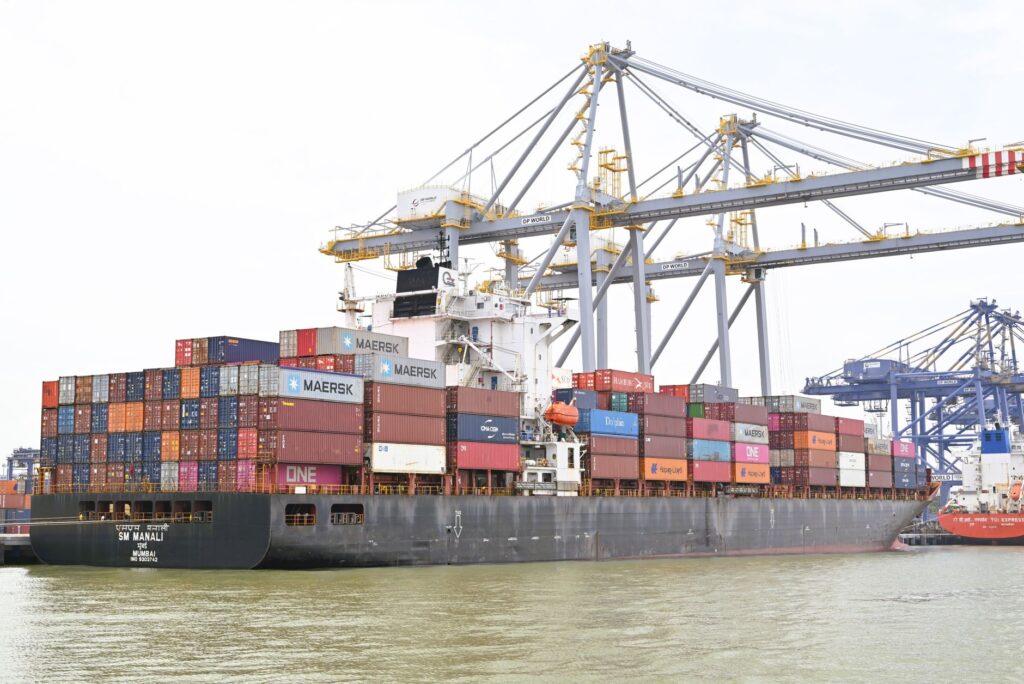
India-US trade is showing unusual resilience even as Trump tariffs keep pressure on global supply chains, but the pain is not evenly spread. The headline flow looks steady; the stress point is narrower and sharper: quartz surface products now face a fresh US safeguard duty shock that could squeeze exporters, margins and investor sentiment around niche building-material plays.
Table of Contents
- India-US Trade Holds Up Despite Tariff Noise
- India-US Trade Now Has a Quartz Problem
- What This Means for Indian Retail Investors
- What to Watch Next
- Expert Insight
- Frequently Asked Questions
- Key Takeaways
India-US Trade Holds Up Despite Tariff Noise
India-US trade has become one of the more durable pillars of India’s external sector. The latest trade narrative is not one of collapse, despite tariff pressure from the US. Instead, the picture is more nuanced: large flows remain broadly steady, while specific product categories face targeted disruption.
That distinction matters. When investors hear the phrase Trump tariffs, the instinctive reaction is to price in broad damage across export-facing sectors. But trade pressure rarely hits all segments equally. Pharmaceuticals, engineering goods, technology services, specialty materials, textiles, gems, chemicals and building products do not move in a single line. Each category has its own tariff exposure, customer concentration, supply contracts, pricing power and currency sensitivity.
The current market backdrop also gives investors a clue that the shock is not yet systemic. As of 2026-08-20, the Sensex is at 77,433.35, up 0.68% today, while the Nifty 50 is at 24,216.60, up 0.57% today. US equities are also positive, with the S&P 500 at 7,707.98, up 0.21% today, and the NASDAQ at 26,331.09, up 0.16% today. Markets are not treating the tariff issue as a broad risk-off event for now.
That does not mean exporters can relax. A targeted tariff can still cause serious damage in a concentrated product line. Quartz is precisely that kind of case. The broader India-US trade engine may keep running, but the quartz component is suddenly facing a cost wall.
The key takeaway: India’s export relationship with the US remains resilient at the aggregate level, but investors should now separate broad trade strength from product-specific tariff pain.
India-US Trade Now Has a Quartz Problem
The core issue is straightforward: India’s exports to the US remain broadly steady despite Trump-era tariff pressure, but fresh US safeguard tariffs on quartz surface products threaten a niche yet important export segment. For investors, this is not just a trade-policy headline. It is a reminder that tariff risk can move from macro noise to company-level earnings pressure very quickly.
Quartz surface products sit inside the broader building-materials and home-improvement supply chain. Their end demand links to US housing, renovation activity, distributor inventories, import rules and pricing negotiations between suppliers and buyers. When a safeguard duty lands on such a product, exporters face a difficult menu of choices. Do they absorb part of the burden and protect volumes? Do they pass it on and risk losing orders? Do they reroute production, alter product mix or shift focus to non-US markets?
The phrase safeguard duty sounds technical, but its market effect is simple. It raises the landed cost of imports into the destination market. If Indian exporters cannot offset that cost through efficiency, currency benefits, lower freight, better mix or customer support, margins come under pressure. If the customer refuses price hikes, volumes can suffer. If both happen together, earnings visibility deteriorates.
Here is the current market context investors should keep beside the trade-policy development:
| Indicator | Latest verified level | Move today | Why it matters for exporters |
|---|---|---|---|
| Sensex | 77,433.35 | +0.68% | Shows domestic risk appetite remains constructive despite trade noise |
| Nifty 50 | 24,216.60 | +0.57% | Reflects broader Indian equity sentiment across sectors |
| S&P 500 | 7,707.98 | +0.21% | Signals US market sentiment, relevant because the US is the key buyer market in this story |
| NASDAQ | 26,331.09 | +0.16% | Indicates global growth and risk appetite remain supportive |
| USD/INR | ₹95.64 | Not specified | A weaker rupee can help exporters’ rupee realisations, but cannot fully neutralise a product-specific tariff shock |
| RBI repo rate | 5.25% | Not specified | Financing costs remain important for working-capital-heavy exporters |
The table shows why this is not a simple “tariffs bad, exporters down” story. The equity market backdrop is steady. The rupee level matters. The RBI repo rate at 5.25% matters because exporters often operate with receivables, inventory cycles and working-capital needs. A tariff shock can stretch that cycle if buyers delay orders or renegotiate terms.
What makes quartz exports more vulnerable than the headline India-US trade number? Concentration. A smaller export category can feel intense pain even when total trade remains resilient. A broad export basket has natural shock absorbers. One category under stress can be offset by another category doing well. A company or cluster focused on the affected product does not enjoy the same cushion.
This is where investors must avoid a common mistake: using macro resilience to ignore micro damage. India-US trade may look steady, yet individual exporters can face order deferrals, margin compression, contract renegotiation or inventory build-up. A large index may not reflect that immediately, especially if the affected segment is not heavily represented in benchmark indices.
There is also a strategic angle. Tariffs can change buyer behaviour. US importers may diversify away from tariff-hit products, demand discounts, search for alternative suppliers, or restructure sourcing contracts. Indian firms that have strong customer relationships, flexible product portfolios and compliance documentation may navigate this better than smaller, highly concentrated exporters.
Another layer is currency. USD/INR at ₹95.64 may support rupee revenue translation for exporters that bill in dollars. But currency is not a magic shield. If the safeguard duty changes the landed-cost equation sharply, the benefit of currency movement may not be enough. Exporters with unhedged exposure can also face volatility if the rupee moves unexpectedly.
For listed-market investors, the cleanest approach is to classify exposure. A diversified exporter with a minor quartz product line deserves a different risk premium from a company whose growth story depends heavily on quartz exports to the US. The same applies to suppliers of raw materials, logistics partners, processing units and firms with customer concentration in the US home-improvement channel.
The key takeaway: The broader India-US trade story is resilient, but quartz now carries a distinct tariff-risk premium that investors should not ignore.
What This Means for Indian Retail Investors
Retail investors should read this development through three lenses: earnings risk, valuation risk and sentiment risk. Earnings risk appears when exporters cannot pass on the safeguard duty impact. Valuation risk appears when the market starts applying lower multiples to businesses with concentrated US exposure. Sentiment risk appears when headlines around Trump tariffs trigger indiscriminate selling in export-linked themes.
That last risk is often the most immediate. Markets move faster than financial statements. A tariff headline can affect the stock price of an exposed company before the quarterly numbers show the real impact. Retail investors chasing past returns in export-linked small and mid-sized businesses need to ask a simple question: is the company selling a broadly resilient export basket, or is it exposed to one tariff-hit product category?
The RBI angle also deserves attention. The repo rate stands at 5.25%, which keeps financing conditions relevant for companies carrying inventory or export receivables. If buyers delay shipments, ask for extended credit or renegotiate prices, working capital can tighten. For a large, well-capitalised exporter, that may be manageable. For a smaller firm, it can pressure cash flows even before reported profits take a visible hit.
SEBI‘s disclosure framework matters here. Listed companies with material exposure to a tariff-hit product line are expected to keep investors informed through exchange filings when developments are material. Retail investors should not rely only on social media commentary, trade rumours or headline reactions. NSE and BSE announcements, investor presentations, concall transcripts and management commentary should become the primary reading list.
The ICAI lens is also relevant, though less visible to retail investors. Tariff shocks can affect revenue recognition, inventory valuation, impairment assessment, provisioning and receivables quality. If an exporter faces cancelled orders or renegotiated contracts, the accounting impact may show up in more than one line item. That is why investors should read notes to accounts, auditor remarks and management discussion sections carefully when companies report after such trade-policy changes.
For portfolio construction, the message is not to abandon export themes. India-US trade remains strategically important. The US market still offers scale, currency-linked revenues and long-term customer depth. But sector selection and stock selection matter more. Investors should prefer companies with diversified geographies, flexible manufacturing, stronger balance sheets and pricing power.
What about mutual fund investors? Most diversified equity funds may not have heavy exposure to a niche quartz-export theme. Still, investors in sectoral, thematic, small-cap or export-oriented funds should check portfolio disclosures. If a fund has concentrated exposure to building-material exporters or niche manufacturing companies, tariff risk can affect near-term performance.
There is another practical issue: valuation comfort. Export stories often command market optimism when they promise global growth. But when trade rules change, investors must recheck the margin of safety. A business that looked attractive under normal tariff conditions may need a lower entry price if future margins become uncertain.
Retail investors should also watch management behaviour. Strong companies do not merely say “impact is manageable.” They explain the exposure, pricing strategy, customer response, alternative markets, hedging discipline and working-capital plan. Vague commentary is not automatically negative, but in a tariff shock it deserves caution.
The key takeaway: Indian retail investors should not treat all exporters alike; the safer approach is to separate diversified India-US trade beneficiaries from companies directly exposed to quartz exports and safeguard duty pressure.
What to Watch Next
US buyer response
The first signal will come from US importers, distributors and end customers. If buyers accept price increases, exporters may protect margins better. If buyers push back, Indian suppliers may have to choose between lower margins and lower volumes.
For investors, order commentary matters more than broad optimism. Watch whether companies mention delayed shipments, renegotiated contracts, customer inventory build-up or demand shifting to alternative suppliers. What matters more: the tariff announcement, or the buyer’s willingness to keep ordering? For earnings, the second is usually more important.
Company disclosures on quartz exposure
The most useful information will come from listed-company filings on NSE and BSE. Investors should look for direct statements on product exposure, US revenue dependence, pricing actions and margin expectations. If a company has meaningful exposure but gives limited disclosure, the market may apply a higher uncertainty discount.
Management commentary should be specific. Investors need clarity on whether quartz exports form a major business line, whether the company can redirect sales to other geographies, and whether existing contracts allow price pass-through. Generic reassurance is weaker than quantified exposure, but investors must rely only on officially disclosed numbers when companies publish them.
USD/INR movement
USD/INR is at ₹95.64. For exporters, the rupee-dollar rate influences realisations, hedging outcomes and competitiveness. A favourable currency move can soften some pressure, but it cannot fully offset a structural increase in landed cost if the safeguard duty changes the buyer’s economics.
Retail investors should also check whether companies hedge conservatively. A company that benefits from dollar billing but has poor hedging discipline can still face volatility. Currency helps, but it does not replace pricing power.
RBI policy and working capital
The RBI repo rate is 5.25%. Exporters with inventory, receivables and bank borrowings remain sensitive to financing costs. If tariff uncertainty delays cash conversion, working capital becomes a bigger issue.
This is especially relevant for smaller exporters. Larger companies may access cheaper funding and negotiate better credit terms. Smaller players may face tighter liquidity if orders slow or payment cycles stretch.
Broader market risk appetite
Sensex at 77,433.35 and Nifty 50 at 24,216.60 show domestic equities remain constructive for now. US markets are also positive, with the S&P 500 at 7,707.98 and NASDAQ at 26,331.09. That reduces the chance of a broad panic reaction, but it does not eliminate stock-specific risk.
If global risk appetite weakens, tariff-hit exporters may face a double hit: lower valuation multiples and weaker earnings confidence. Investors should watch whether the tariff issue stays contained or becomes part of a wider protectionist trend.
The key takeaway: The next phase depends less on the tariff headline itself and more on buyer behaviour, company disclosures, currency movement, financing conditions and market risk appetite.
Expert Insight
Trade-policy analysts tracking India-US trade say the current pattern fits a familiar playbook: broad export flows can remain steady even while a specific product category suffers a sharp reset in economics. Their view is that quartz exporters now need to prove pricing power, customer stickiness and geographic flexibility, while investors should avoid making index-level conclusions about company-level risk. The safeguard duty issue is therefore not a verdict on India’s export competitiveness; it is a stress test for a focused segment exposed to US trade action.
The key takeaway: Experts see this as a targeted trade shock, not a broad breakdown in India-US trade.
Frequently Asked Questions
Will Trump tariffs hurt all Indian exporters?
No. Trump tariffs do not affect every exporter in the same way. The impact depends on product category, customer contracts, pricing power, US exposure, currency hedging and whether the company can shift sales to other markets.
Are quartz exports from India now risky for investors?
Quartz exports carry higher policy risk after the US safeguard duty action. Investors should check whether a listed company has direct exposure to quartz surface products, how much it depends on US buyers and whether management has disclosed a clear mitigation plan.
Can a weaker rupee protect Indian exporters from US tariffs?
A favourable USD/INR can support rupee realisations for exporters, and USD/INR is at ₹95.64. But currency movement cannot fully neutralise a product-specific tariff if the landed cost for US buyers rises enough to affect orders or pricing.
Should retail investors sell export stocks because of this news?
Not automatically. Investors should avoid blanket decisions and instead separate diversified exporters from companies with concentrated exposure to tariff-hit products. NSE and BSE filings, management commentary and balance-sheet strength should guide the decision.
What should I track before investing in export-oriented stocks?
Track product exposure, geography mix, customer concentration, currency hedging, working-capital needs and regulatory disclosures. Also watch RBI policy because the repo rate at 5.25% affects financing conditions for companies that rely on working capital.
Key Takeaways
- India-US trade remains broadly resilient despite tariff pressure, but product-level risks are rising.
- Quartz exports face a sharper challenge because the fresh US safeguard duty directly affects landed-cost economics.
- The Sensex at 77,433.35 and Nifty 50 at 24,216.60 show domestic market sentiment remains positive for now.
- USD/INR at ₹95.64 can help exporter realisations, but currency support may not offset tariff pressure fully.
- The RBI repo rate at 5.25% keeps working-capital discipline important for export-heavy companies.
- Retail investors should rely on NSE and BSE disclosures rather than headline reactions or market rumours.
- Diversified exporters may handle the shock better than companies dependent on a narrow product line or a concentrated US customer base.
Disclaimer: This article is for informational purposes only and does not constitute investment advice. Please consult a SEBI-registered financial advisor before making investment decisions.
Sources & references

Bhavik Vaid
Bhavik Vaid writes on Indian markets, taxation, banking and personal finance for CADialogue. He covers RBI policy, GST and income-tax changes, mutual funds and market moves, translating them into practical guidance for retail investors, salaried professionals and business owners in India.


