Single-Entry vs Double-Entry Bookkeeping: Examples for India
Single-entry vs double-entry bookkeeping explained with simple journal entry examples for Indian small businesses — which method to use and when to switch.
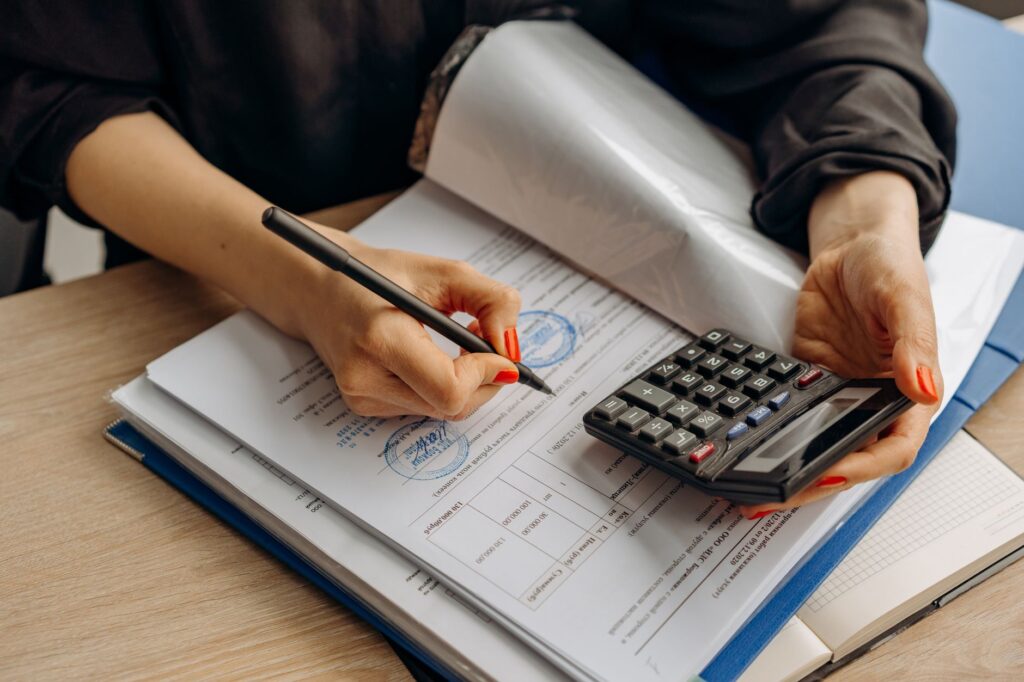
Every business keeps books using one of two methods: single-entry or double-entry bookkeeping. Choosing the right one affects how accurately you can track profit, assets and liabilities — and how easily you handle GST and income tax. This guide explains both with simple examples for Indian small businesses.
New to keeping books? Start with our bookkeeping for small business guide for the basics, then use this article to choose a method.
What is single-entry bookkeeping?
Single-entry bookkeeping records only one side of each transaction — usually cash in or cash out. It works like a simple cash book or Excel sheet.
It can suit freelancers, consultants and very small traders with few transactions. The downside: it does not show a full picture of assets, liabilities, receivables and payables, and it makes errors harder to catch.
What is double-entry bookkeeping?
Double-entry bookkeeping records two sides for every transaction — one debit and one credit. Total debits must always equal total credits. This creates a self-checking system used by virtually all accounting software.
Example 1: Buying a computer for cash
You buy a computer for ₹60,000 in cash.
| Particulars | Debit (₹) | Credit (₹) |
|---|---|---|
| Computer A/c (asset) | 60,000 | |
| To Cash A/c | 60,000 |
The computer asset increases (debit) and cash decreases (credit).
Example 2: A credit sale with GST
You sell goods worth ₹50,000 plus 18% GST on credit.
| Particulars | Debit (₹) | Credit (₹) |
|---|---|---|
| Customer A/c | 59,000 | |
| To Sales A/c | 50,000 | |
| To Output GST A/c | 9,000 |
Recording GST separately is essential — read our GST bookkeeping guide for how input and output GST should be tracked.
Single-entry vs double-entry: side by side
| Feature | Single-entry | Double-entry |
|---|---|---|
| Complexity | Very simple | Moderate |
| Tracks assets and liabilities | No | Yes |
| Error detection | Weak | Strong (trial balance) |
| Suitable for | Freelancers, tiny traders | Growing businesses |
| GST and audit readiness | Limited | Full |
| Loan and investor reports | Hard | Easy |
Which method should you use?
If you are a freelancer with a handful of monthly transactions, single-entry may be enough to start. But the moment you register for GST, hire staff, hold inventory, or apply for a loan, switch to double-entry.
Double-entry produces the three core statements lenders and investors expect: the Profit and Loss Account, the Balance Sheet and the Cash Flow Statement. It also makes income tax filing and GST returns far easier.
How to move from single to double-entry
- Open a separate business bank account.
- Pick bookkeeping software that uses double-entry by default.
- Record opening balances for cash, bank, assets and liabilities.
- Enter every transaction as a debit and a matching credit.
- Review the trial balance monthly to confirm debits equal credits.
If your business is growing or you are forming a private limited company, double-entry is no longer optional — it is the foundation of clean, compliant books.

Bhavik Vaid
Bhavik Vaid writes on Indian markets, taxation, banking and personal finance for CADialogue. He covers RBI policy, GST and income-tax changes, mutual funds and market moves, translating them into practical guidance for retail investors, salaried professionals and business owners in India.


