Small Business Bookkeeping: India 2026-27 Compliance Guide
Bookkeeping is no longer just an admin task for Indian SMEs. It is central to GST compliance, income tax readiness, cash flow control and loan approvals.
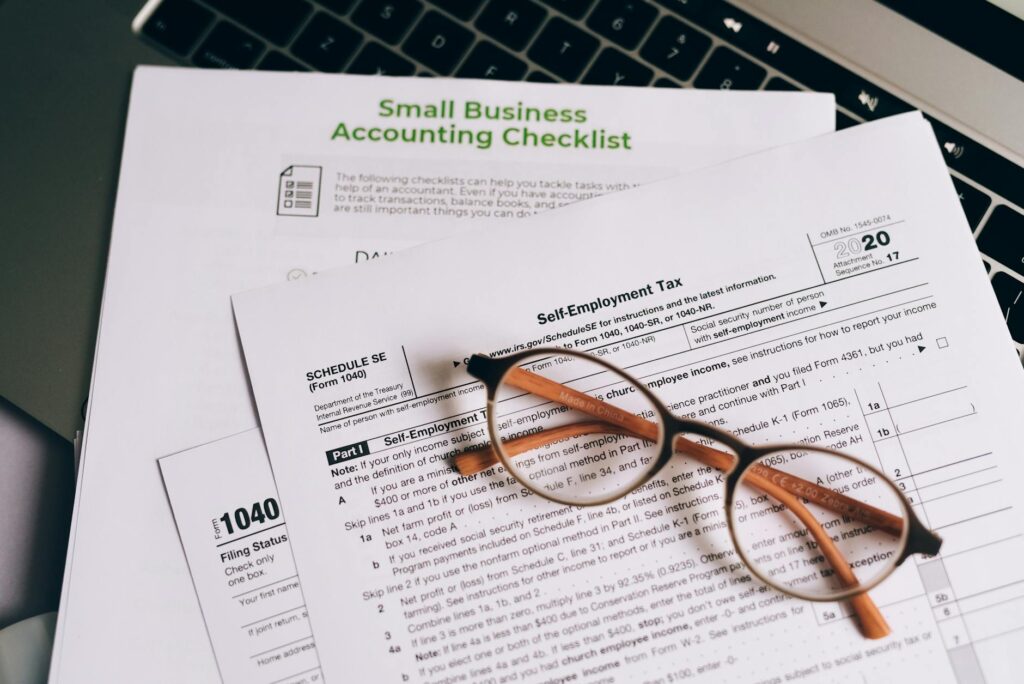
Bookkeeping for small business is now a survival tool, not a back-office formality. In 2026-27, Indian business owners who maintain clean books will find it easier to manage GST, income tax, cash flow, loans and audits.
Bookkeeping means recording, organising and maintaining every financial transaction of a business in chronological order. It is the base of accounting. Accounting goes a step further by analysing this data and preparing reports such as the Profit and Loss Account, Balance Sheet and Cash Flow Statement.
Why bookkeeping for small business matters in India
For a small business, every rupee of cash inflow and outflow matters. Poor bookkeeping can hide losses, delay tax filings and create problems during bank loan verification. Good records show where money is coming from, where it is going and whether the business is actually profitable.
Accurate bookkeeping supports financial transparency. A monthly Profit and Loss Account, or P&L, shows revenue, expenses and net profit. A Balance Sheet shows assets, liabilities and owner’s capital. A Cash Flow Statement shows whether the business has enough liquidity to pay salaries, rent, EMIs, GST and vendors on time.
It also builds credibility. Banks, NBFCs and investors prefer businesses with clean books, separate business bank accounts and consistent GST filings. If your records are messy, lenders may treat your business as risky even if sales are healthy.
Bookkeeping systems for small business: single-entry vs double-entry
Small businesses usually choose between single-entry and double-entry bookkeeping.
Single-entry bookkeeping records one side of a transaction, usually income or expense. It works like a simple cash book or Excel sheet. It may suit freelancers, consultants and very small traders with limited transactions. The downside is that it does not give a full picture of assets, liabilities, receivables and payables.
Double-entry bookkeeping records two sides of every transaction, one debit and one credit. For example, if you buy a computer for ₹60,000 in cash, the computer asset account is debited and cash is credited. This method creates a trial balance, a report used to check whether total debits match total credits.
For growing businesses, double-entry is the better choice. It helps detect errors, reduces fraud risk and supports GST (Goods and Services Tax), TDS (tax deducted at source), bank reconciliation and audit readiness. It is also more useful when applying for working capital loans or preparing investor reports.
Bookkeeping tasks for GST, income tax and cash flow
Bookkeeping for small business directly affects tax compliance. Businesses crossing the GST registration threshold, generally ₹20 lakh annual turnover and ₹10 lakh for special category states, must maintain proper sales and purchase records. They must also file GST returns on time through the GST portal.
For income tax, books help calculate real profit, claim eligible expenses and support deductions during scrutiny. From 2026, businesses should also be alert to updated record-keeping expectations, including access to financial data in India and regular backups where applicable. Owners should confirm the exact applicability of Income Tax Rule 46(8) and related requirements with their CA.
Key bookkeeping tasks include:
- Record daily sales, purchases, receipts, payments, credit sales and expenses without delay.
- Store invoices, bills and digital receipts in organised folders.
- Reconcile bank accounts and UPI (Unified Payments Interface) collections every month.
- Track GST input credit on purchases and GST output liability on sales separately.
- Review P&L trends monthly, not only at year-end.
- Record owner withdrawals separately instead of treating them as business expenses.
A simple example shows the importance. If you collect ₹59,000 on a sale that includes 18% GST, your books should record sales of ₹50,000 and output GST of ₹9,000. If this is recorded wrongly as full revenue, your profit and tax numbers will be distorted.
Common bookkeeping mistakes to avoid
The most common mistake is mixing personal and business expenses. Many small owners use the same bank account or UPI ID for household spending and business collections. This creates confusion during GST filing, income tax return preparation and loan assessment.
Other mistakes include missing receipts, recording entries late, using wrong expense categories, ignoring TDS on contractor or professional payments and not reconciling bank statements. These errors may look small, but they can lead to penalties, lost deductions and audit stress.
Bookkeeping software for small business in 2026-27
Manual books and Excel can work for freelancers or very small shops. But once invoices, inventory, GST, TDS and employee costs increase, accounting software becomes essential.
TallyPrime remains popular among Indian businesses because of its strong GST, inventory and reporting features. Zoho Books is useful for startups and service businesses that prefer cloud accounting, mobile access and automated invoicing. Busy is widely used by trading and medium-sized businesses. QuickBooks Online may suit businesses with international clients, although users should check India-specific tax features and support.
While choosing software, focus on GST compliance, bank reconciliation, invoice generation, inventory tracking, user access controls, data backup and India-based data availability. Cloud accounting can help owners and CAs access the same books in real time, reducing last-minute panic during GST return filing or income tax audits.
Small businesses should also maintain a compliance calendar. Mark GST return dates, TDS payment dates, professional tax deadlines, advance tax dates and income tax return due dates. This one habit can prevent many penalties.
What bookkeeping for small business means for you
Bookkeeping for small business gives owners control. It shows whether margins are improving, whether customers are paying on time and whether expenses are rising faster than revenue. It also helps identify profitable products, weak service lines and avoidable costs.
For CAs and finance teams, clean books reduce year-end pressure. For lenders, they improve confidence. For business owners, they make planning easier. You can budget better, manage working capital, prepare for tax payments and scale without financial blind spots.
The takeaway is simple. Start with a separate business bank account, record transactions daily, reconcile accounts monthly and use GST-ready software when transactions increase. If your business is growing, shift to double-entry bookkeeping and take professional help from a CA. Many founders also formalise their setup through private limited company registration or compare LLP vs a private limited company as they scale.
Good bookkeeping is not just about paying taxes. It is about knowing your real financial position before the market, the tax department or your lender tells you.
Related bookkeeping guides
Sources & references

Bhavik Vaid
Bhavik Vaid writes on Indian markets, taxation, banking and personal finance for CADialogue. He covers RBI policy, GST and income-tax changes, mutual funds and market moves, translating them into practical guidance for retail investors, salaried professionals and business owners in India.


