Bookkeeping vs Accounting: Key Differences for Indian Firms
Bookkeeping vs accounting explained simply for Indian business owners — what each covers, how they differ, and when you need a bookkeeper or a CA.
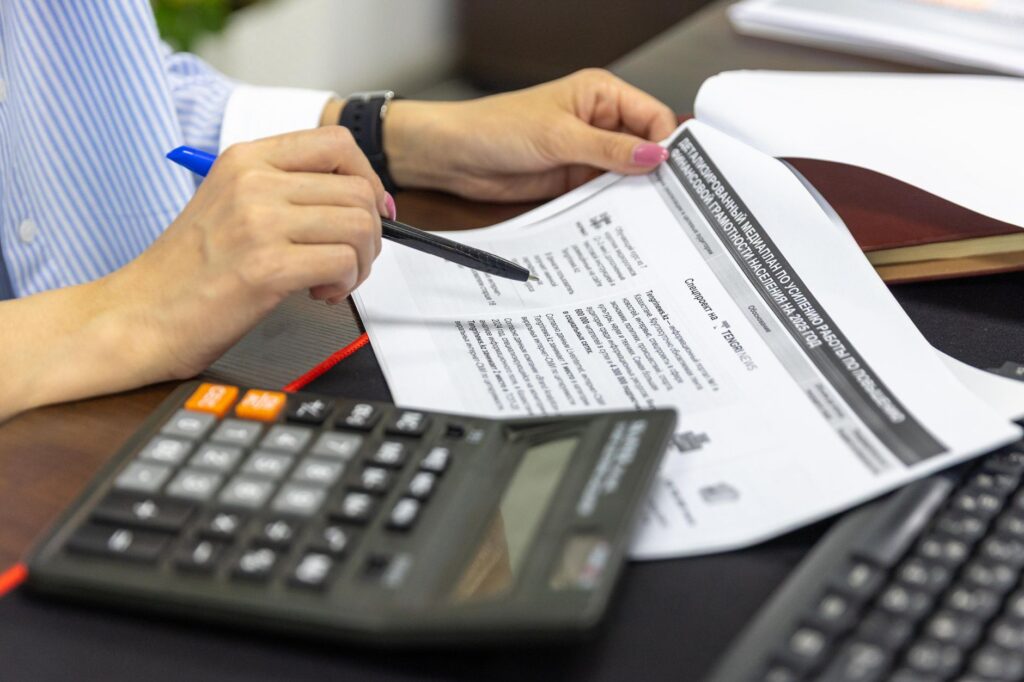
Indian business owners should treat bookkeeping as the daily recording of sales, expenses, invoices, bank and UPI entries, while accounting turns those records into financial statements, tax filings and compliance advice. In Bookkeeping vs Accounting, clean books can reduce a CA’s time spent correcting records and improve decision-making.
Many business owners use the words “bookkeeping” and “accounting” as if they mean the same thing. They are closely linked, but they are not identical. Understanding the difference helps you decide what to handle yourself, what software to use, and when to hire a CA.
For the full foundation, see our bookkeeping for small business in India guide.
What is bookkeeping?
Bookkeeping is the day-to-day recording of every financial transaction in order — sales, purchases, receipts, payments and expenses. It is the base layer of your finances. Good bookkeeping means accurate, organised records, usually maintained with bookkeeping software using the double-entry method.
Typical bookkeeping tasks:
- Recording daily sales and purchases
- Storing invoices and receipts
- Reconciling bank and UPI entries
- Tracking GST input and output
What is accounting?
Accounting takes the data bookkeeping produces and analyses it. Accountants prepare financial statements, interpret results, ensure tax compliance and advise on decisions. Accounting answers “what does this data mean and what should we do?”
Typical accounting tasks:
- Preparing the Profit and Loss Account, Balance Sheet and Cash Flow Statement
- Computing taxable income and filing income tax returns
- Advising on TDS, deductions and tax planning
- Auditing and statutory compliance
Bookkeeping vs accounting: side by side
| Aspect | Bookkeeping | Accounting |
|---|---|---|
| Purpose | Record transactions | Analyse and report |
| Output | Organised books | Financial statements + advice |
| Skill level | Clerical to intermediate | Professional (often a CA) |
| Tools | Tally, Zoho Books, Vyapar | Same data + analysis |
| Timing | Daily / weekly | Monthly, quarterly, yearly |
| Who does it | Owner, bookkeeper, software | Accountant or CA |
Do you need a bookkeeper, an accountant, or both?
- Very small business: you (the owner) can do bookkeeping with software, and engage a CA only at year-end.
- Growing business: a part-time bookkeeper for daily entries plus a CA for tax and statements.
- Company or high turnover: dedicated bookkeeping (in-house or software) plus a CA for audit, income tax and compliance.
In India, only a Chartered Accountant can perform statutory audits and certify many filings. You can find a CA through the ICAI member directory.
The simple takeaway
Bookkeeping records the numbers; accounting explains them. Strong bookkeeping makes accounting cheaper and faster — because a CA spends less time fixing messy books and more time on advice that grows your business. Start with clean books using the right software, and bring in a CA where professional judgment is required.
Frequently Asked Questions
What is the difference between bookkeeping and accounting for a small business in India?
Bookkeeping records daily transactions such as sales, expenses, invoices, bank entries and UPI payments, while accounting analyses those records to prepare statements, tax filings and compliance advice. Bookkeeping creates organised books; accounting produces the Profit and Loss Account, Balance Sheet, Cash Flow Statement and business insights.
Can I do my own bookkeeping and hire a CA only for tax filing?
Yes, a very small business owner can maintain bookkeeping using software and engage a CA at year-end for tax-related work. This approach works when daily sales, purchases, receipts, payments, invoices and bank or UPI entries are recorded accurately and kept organised.
Do I need both a bookkeeper and an accountant for my business?
Whether you need both depends on your business size and turnover. Growing businesses may use a part-time bookkeeper for daily entries and a CA for tax and financial statements, while companies or high-turnover businesses generally need dedicated bookkeeping plus CA support for audit, income tax and compliance.
What does a bookkeeper do in Bookkeeping vs Accounting?
In Bookkeeping vs Accounting, a bookkeeper handles the daily recording and organisation of financial transactions. Typical work includes recording sales and purchases, storing invoices and receipts, reconciling bank and UPI entries, and tracking GST input and output, often through software such as Tally, Zoho Books or Vyapar.
Why is clean bookkeeping important before giving records to a CA?
Clean bookkeeping makes accounting cheaper and faster because the CA spends less time correcting incomplete or messy records. Accurate, organised books also support better decision-making and provide the underlying data needed for financial statements, taxable-income computation, income-tax returns, TDS advice and compliance work.
Sources & references

Bhavik Vaid
Bhavik Vaid writes on Indian markets, taxation, banking and personal finance for CADialogue. He covers RBI policy, GST and income-tax changes, mutual funds and market moves, translating them into practical guidance for retail investors, salaried professionals and business owners in India.


