Global Economic Events: Forex and Crypto Impact in 2026
Indian investors see how 2026 central bank moves, inflation data, jobs reports, GDP, geopolitics and regulation may move forex and crypto.
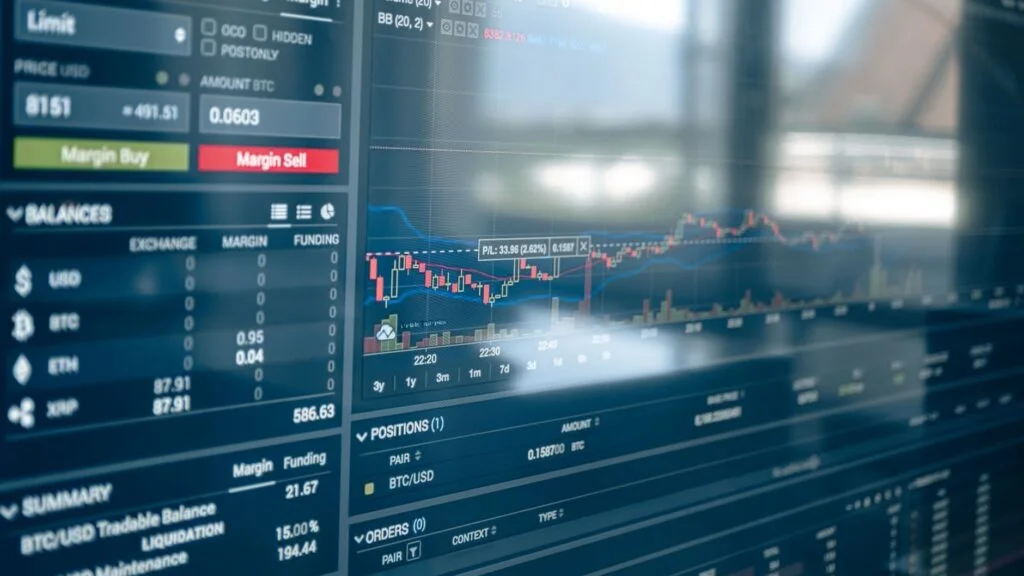
Global economic events will remain the biggest trigger for volatility in forex and cryptocurrency markets in 2026. For Indian investors, the impact will show up not only in Bitcoin and Ethereum prices, but also in USD/INR, gold, crude oil, Nifty sentiment and foreign fund flows.
Forex is a deep, institutional market. Crypto is younger, more volatile and trades 24/7. The same news can therefore create very different reactions in EUR/USD, USD/INR, Bitcoin and altcoins.
Global economic events that may move forex and crypto in 2026
The most important global economic events in 2026 will come from central banks, inflation data, employment reports, GDP releases, geopolitical tensions and regulatory announcements.
The U.S. Federal Reserve will remain the key institution to watch. Its rate decisions influence the U.S. Dollar Index (DXY, a measure of dollar strength against major currencies), U.S. bond yields, global liquidity and risk appetite. When the Fed sounds hawkish (prefers higher interest rates to control inflation), the dollar usually strengthens. That can pressure Bitcoin, emerging market currencies and risk assets.
For India, Fed policy matters because it affects foreign portfolio investor flows, USD/INR, imported inflation and sentiment in Nifty and Sensex. A stronger dollar often puts pressure on the rupee and can make crude oil imports costlier.
Other major events include European Central Bank meetings, Bank of England rate decisions, Bank of Japan policy shifts, China GDP data and RBI Monetary Policy Committee decisions. Traders should verify all 2026 event dates from official calendars such as the Federal Reserve, RBI, BLS and ECB.
Forex and cryptocurrency markets react differently to global economic events
Forex markets are dominated by banks, hedge funds, corporates and central banks. Liquidity is high, especially in major pairs such as EUR/USD, GBP/USD and USD/JPY. Crypto markets, while more institutional than before due to ETFs and custody products, still have strong retail participation. This makes Bitcoin, Ethereum and altcoins more sensitive to sentiment, leverage and social media narratives.
During a strong U.S. CPI (Consumer Price Index, a key inflation measure) print, the dollar may rise because traders expect higher interest rates. Bitcoin may fall if higher yields reduce appetite for risk assets. But if investors see inflation as a long-term threat to fiat currencies, Bitcoin can briefly rise as an inflation hedge. This mixed behaviour is why crypto is not a predictable safe haven.
Gold, by contrast, has a longer safe-haven history. During geopolitical stress, gold usually benefits. Bitcoin may rise or fall depending on liquidity conditions, leverage in the system and whether investors treat it as digital gold or a high-risk asset.
Key economic indicators for forex and cryptocurrency traders
Indian traders should track a focused list instead of reacting to every data point. The biggest market-moving indicators are:
- CPI and PPI (Producer Price Index, inflation at producer level), as they shape rate expectations
- NFP (Non-Farm Payrolls, the U.S. jobs report), as it signals labour market strength
- GDP (Gross Domestic Product, total economic output), as it shows growth momentum
- Central bank interest rates, especially from the Fed, ECB, BoE, BoJ and RBI
- U.S. 10-year Treasury yield, as higher yields can support the dollar and pressure crypto
- Retail sales and PMI (Purchasing Managers’ Index, a business activity survey), as they indicate demand and business confidence
- Crude oil prices, because they affect CAD, AUD, inflation and India’s import bill
Among these, CPI, Fed meetings and NFP generally create the sharpest short-term volatility. Beginners should avoid placing fresh leveraged trades just before these releases.
Central bank policy and global economic events in 2026
Central banks drive currencies through interest rates, liquidity and guidance. When a central bank raises rates, its currency often strengthens because global capital seeks higher returns. When it cuts rates, the currency may weaken, unless the cut improves growth sentiment.
The Fed has the widest market impact. A higher-for-longer Fed stance can strengthen the dollar, lift U.S. yields and reduce appetite for Bitcoin and altcoins. A dovish (supportive of lower rates) Fed can weaken the dollar and support risk assets.
The RBI’s role is more direct for Indian investors. RBI decisions affect the repo rate, bond yields, bank lending rates, EMIs, FD returns and the rupee. If the Fed stays tight while the RBI cuts rates, USD/INR may face upward pressure. That can affect importers, oil marketing companies, gold prices in India and inflation expectations.
Crypto regulation is another key factor. Announcements from the U.S. SEC, EU regulators or Indian authorities can trigger sharp moves in Bitcoin, Ethereum, stablecoins and exchange-linked tokens. Forex markets may ignore such news, but crypto markets can react instantly.
Risk management during forex and cryptocurrency volatility
Global economic events can create opportunity, but they can also destroy trading capital quickly. News candles often reverse within minutes. Slippage can widen. Stop-loss orders may execute at worse prices during extreme volatility.
A disciplined approach matters more than prediction. Keep position sizes small during high-impact events. Do not risk more than 1-2% of capital on a single trade. Use stop-losses. Avoid excessive leverage, especially in crypto futures and options.
For Indian retail investors, also remember that offshore forex and crypto derivatives can carry regulatory, tax and counterparty risks. Check SEBI, RBI and tax rules before using any platform or product.
What this means for you
Global economic events in 2026 will influence the dollar, rupee, gold, crude oil, Bitcoin and broader risk sentiment. The Fed, U.S. inflation data, employment reports, RBI policy, China growth numbers and geopolitical shocks should be on every investor’s calendar.
The key is not to predict every move. The key is to prepare. Track official data, understand market expectations, reduce leverage during major announcements and separate short-term noise from long-term trends.
Forex and crypto trading involve high risk. This article is for education only and is not investment advice. Consult a qualified financial adviser before making trading or investment decisions.
Sources & references

Bhavik Vaid
Bhavik Vaid writes on Indian markets, taxation, banking and personal finance for CADialogue. He covers RBI policy, GST and income-tax changes, mutual funds and market moves, translating them into practical guidance for retail investors, salaried professionals and business owners in India.


