Nifty Faces Potential Drop Amid Weak Indicators
Investors get Rupak De’s view on Nifty’s weak technical indicators, selling pressure in heavyweights and the possible slide toward 23,150.
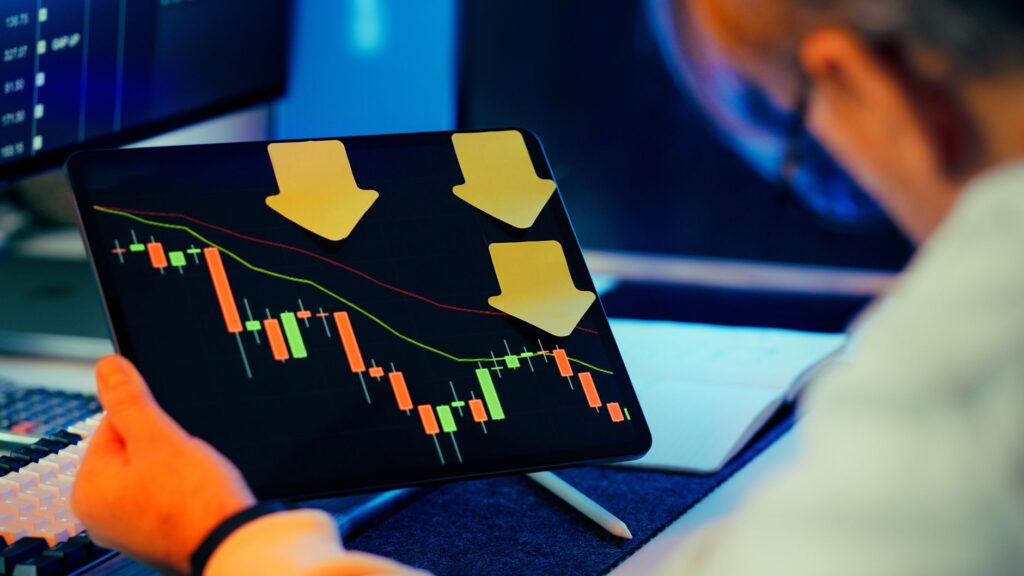
Nifty faces potential turbulence as technical indicators wobble, threatening a slide towards 23,150, warns analyst Rupak De. Despite modest gains today, the market remains wary amid selling pressure in heavyweight stocks.
Table of Contents
- Market Context
- Current Technical Analysis
- Impact on Indian Investors
- Forward Indicators to Watch
- Key Support Levels
- Global Economic Trends
- FII Investment Patterns
- Expert Insight
- Frequently Asked Questions
- What is driving the selling pressure in heavyweight stocks?
- How does a drop in Nifty affect the average investor?
- What role do technical indicators play?
- Is now a good time to invest in the Indian equity market?
- How are global markets influencing Nifty?
- Key Takeaways
Market Context
Nifty has been a barometer for Indian economic sentiment, offering investors insights into market trends and potential shifts. Over the past few weeks, Nifty’s performance has been mixed, driven by a combination of domestic pressures and global influences. The index showed positive movement today, closing at 23,760.75, marking a 0.47% increase. However, this uptick belies underlying concerns about the vigor of Indian equities.
The broader market sits at a crossroads with foreign institutional investors (FIIs) recalibrating their positions amid global financial turbulence. The USD/INR exchange rate hovers at ₹96.33, exacerbating fears of currency depreciation if the exodus of foreign capital continues. Meanwhile, the Reserve Bank of India’s (RBI) monetary policy stance with a repo rate held at 5.25% suggests that domestic monetary conditions might remain stable in the short run.
India’s regulatory environment, led by SEBI, keeps a vigilant eye on market operations but cannot altogether insulate against global market shifts. FIIs remain an influential force, often swayed by US Federal Reserve policies, which, when tightening, lead to capital outflows from emerging markets like India. The S&P 500 and NASDAQ have shown slight declines, adding to the strain on sentiment in global equities which could seep into Indian bourses.
Current Technical Analysis
Technical indicators now flash caution signals. Rupak De, an acclaimed market analyst, warns that a breach of critical support levels could see Nifty cascading to 23,150. Current bullish momentum seems tentative with underlying bearish patterns, an ominous cloud over short-term advances.
Nifty’s movement today might provide brief respite but does not erase the possibility of a downturn. Here’s a snapshot of current market parameters:
| Index/Commodity | Current Value | Change Today |
|---|---|---|
| Nifty 50 | 23,760.75 | +0.47% |
| Sensex | 75,642.30 | +0.43% |
| S&P 500 | 7,403.05 | -0.07% |
| NASDAQ | 26,090.73 | -0.51% |
| Bitcoin | $76,711.00 | — |
| USD/INR | ₹96.33 | — |
These changes reflect localized gains against a backdrop of broader vulnerability. The technical analysis indicates a divergence between short-term optimism and longer-term anxieties of support level breaches, which could lead to deeper corrections.
This highlights a pattern where any upticks may be selling opportunities for traders looking to mitigate riskier exposure to equities. Today’s gains might attract fresh bumps in valuation in the immediate term but require a cautious approach as technical pressures knot tighter.
Impact on Indian Investors
For the Indian investor, each market pulse carries implications beyond mere statistics. A potential drop in Nifty shakes confidence, leading to broader economic unease. The immediate effect is psychological-a detractor from consumer and corporate confidence, vital cogwheels in economic activity.
Retail investors, often susceptible to knee-jerk reactions, might face the real threat of overexposure to volatile segments. The critical implication of Nifty nearing a support breach will likely amplify the hedge narrative, driving interest towards stable, liquid assets like sovereign gold bonds or fixed deposits.
Such a market shift places traditional ‘safe’ sectors, such as FMCG and pharmaceuticals, into the spotlight for their resilience and dividend stability. However, this does little to overshadow broad market trepidations. What should investors focus on when turmoil brews in the capital markets?
Forward Indicators to Watch
Key Support Levels
The immediate focus should be on 23,150, Rupak De’s identified support floor. This level acts as a psychological and technical benchmark. A breach could transition market nerves into panic, escalating sell-offs.
Global Economic Trends
Global market watch remains essential. US interest rate movements, especially from the Federal Reserve, bring volatility. Rate hikes typically tighten liquidity and pressurize currencies like the rupee. What’s more, it is vital to track China’s economic performance, as any slowdown there rattles Indian share prices due to linked supply chains and trade ties.
FII Investment Patterns
Foreseeing FII actions is increasingly critical. They govern market depth in crucial sectors. Continuous outflows would erode buffers against bearish phases, necessitating domestic investment fortification to sustain market health.
By keeping an eye on these forward indicators, investors can not only preserve capital but potentially profit by anticipating and reacting to market trends with strategic foresight.
Expert Insight
According to a top equity strategist, “Cautious optimism is key in such precarious conditions. Technical analysis shows strong potential dips, but staying informed and diversifying portfolios across asset classes remains the best hedge against volatility. Investors should consider mixed allocations to shield against unforeseen market corrections.”
Frequently Asked Questions
What is driving the selling pressure in heavyweight stocks?
Heavyweight stocks have faced selling due to a mix of overvaluation fears and global economic uncertainties. As sentiments turn risk-averse globally, large-cap stocks naturally undergo pressure from both domestic and foreign investors who seek to rebalance portfolios towards safety.
How does a drop in Nifty affect the average investor?
A significant drop in Nifty often leads to lower portfolio values for individual investors, particularly those heavily reliant on equity. It stokes fears of an economic slowdown, prompting shifts toward safer investments away from volatile equities, which potentially narrows investment diversity.
What role do technical indicators play?
Technical indicators are essential tools for traders and analysts. They help predict market movements through patterns and historical data points. Such indicators determine entry and exit points, critical for traders to maximize potential gains or minimize losses amid volatile markets.
Is now a good time to invest in the Indian equity market?
Investing in the equity market during volatility requires caution. Assessing market fundamentals alongside technical signals aids in informed decision-making. Diversification across sectors and careful scrutiny of fiscal policies and international developments should guide investment timing.
How are global markets influencing Nifty?
Global markets, particularly US and Chinese economic decisions, significantly impact Nifty. Tighter US monetary policies often lead to capital flight from emerging markets like India, influencing Nifty. Global growth slowdowns also affect demand projections for Indian exports and corporate earnings, putting pressure on market indices.
Key Takeaways
- Monitor Nifty at 23,150 support level for potential downturns.
- Track global markets for indicators of financial movement: US FED decisions, China’s growth patterns.
- Diversify investments to mitigate risks associated with Nifty fluctuations.
- Consider stable sectors like FMCG and pharmaceuticals in portfolio strategies.
- Monitor FII trends as a barometer of market direction.
Disclaimer: This article is for informational purposes only and does not constitute investment advice. Please consult a SEBI-registered financial advisor before making investment decisions.
Sources & references

Bhavik Vaid
Bhavik Vaid writes on Indian markets, taxation, banking and personal finance for CADialogue. He covers RBI policy, GST and income-tax changes, mutual funds and market moves, translating them into practical guidance for retail investors, salaried professionals and business owners in India.


