Residential Investment Hotspots in India for Long-Term Growth
Explore Residential Investment Hotspots in India for Long-Term Growth, where metro corridors, IT hubs and expressways are driving returns.
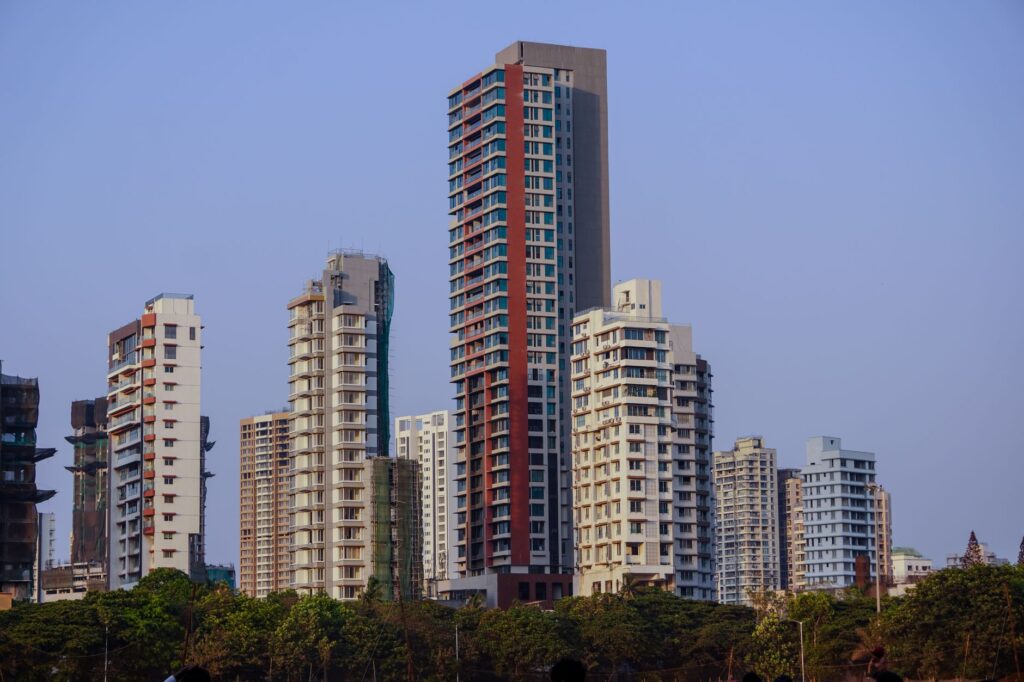
India’s residential investment hotspots in India are no longer limited to traditional city centres. Metro corridors, expressways, airports, IT parks and industrial belts are now driving the next phase of housing demand.
Between 2019 and Q2 2026, several major housing markets reportedly delivered 45 percent to 125 percent capital appreciation, along with better rental yields (annual rent divided by property value). This makes residential real estate more attractive for salaried buyers, NRIs and long-term investors, provided they do proper due diligence.
Why residential investment hotspots in India are gaining traction
The biggest shift is infrastructure-led re-rating. A location that once looked peripheral can become investable when a metro line, airport, expressway or business district becomes operational.
Government capex is also supporting this trend. According to the PIB infrastructure factsheet, India’s national highway length has expanded sharply since 2014, while metro networks now cover several major cities. These projects reduce commute time and expand the residential catchment area.
Employment is the second driver. Bengaluru, Hyderabad, Pune and Chennai benefit from IT, GCCs (global capability centres), startups and manufacturing. NCR and MMR benefit from corporate offices, logistics, airports and premium housing demand. Ahmedabad’s GIFT City corridor is gaining attention due to BFSI (banking, financial services and insurance) activity.
Stable interest rates also matter. The RBI’s repo rate pause at 5.25 percent, as reported by Business Standard, has helped maintain buyer sentiment, though affordability remains stretched in premium markets.
Top residential investment hotspots in India for 2026
Here are the key micro-markets investors should track. These are not buy recommendations. They are locations with visible long-term demand drivers.
- Noida and Greater Noida Expressway: Jewar Airport, Yamuna Expressway, metro connectivity and large township supply make this a high-growth NCR corridor. Noida prices reportedly rose 125 percent between 2019 and Q2 2026, according to Business Standard. Risk: oversupply in some sectors.
- Dwarka Expressway and Golf Course Extension Road, Gurugram: Strong corporate demand, premiumisation and airport connectivity support long-term value. Risk: high entry price and lower affordability.
- Navi Mumbai, Ulwe, Panvel and Kharghar: Navi Mumbai International Airport, Atal Setu and metro expansion are changing the growth outlook. JLL Research highlights airport-linked demand in this corridor. Risk: social infrastructure is still developing in some pockets.
- Whitefield and Sarjapur Road, Bengaluru: These are established IT rental markets with strong tenant demand from tech professionals. Risk: traffic congestion and price saturation in prime pockets.
- Devanahalli and Airport Road, Bengaluru: A long-horizon bet supported by the airport, Aerospace Park and planned transport links. Risk: rental demand may take time to mature.
- Gachibowli, Kokapet and Financial District, Hyderabad: IT, pharma, GCCs and premium township demand support this western Hyderabad belt. Risk: luxury oversupply in select projects.
- Hinjewadi, Wakad and Baner, Pune: IT parks, Metro Line 3 and family rental demand make this a practical option for end-users and investors. Risk: congestion and rising maintenance costs.
- OMR, Siruseri, Sholinganallur and Porur, Chennai: OMR remains a strong IT rental corridor, while Porur benefits from metro-led growth. Risk: water issues and approval checks in select pockets.
- Lucknow: A conservative long-term play supported by state capital status, metro connectivity, expressways, education and healthcare. Risk: appreciation may be slower than NCR.
- Ahmedabad and GIFT City corridor: Policy support, IFSC activity and metro connectivity are key positives. Risk: growth depends on faster scaling of GIFT City employment.
Established vs emerging residential property hotspots
Investors must separate established markets from emerging corridors.
Established locations such as Golf Course Extension Road, Whitefield core, Gachibowli and Baner offer better rental stability, stronger resale liquidity and mature social infrastructure. They suit end-users and investors who prefer lower volatility. However, percentage upside may be limited because prices already reflect much of the growth story.
Emerging locations such as Devanahalli, Ulwe, Yamuna Expressway fringes, OMR extensions, Lucknow non-core areas and the GIFT City corridor offer higher potential upside from a lower base. But they carry execution risk. Announced infrastructure may get delayed. Rental demand may take longer to build. Resale liquidity can also be weaker.
A simple rule works well: pay a premium for operational infrastructure, but apply a discount to proposed infrastructure.
Residential real estate investment checklist for buyers
Before buying in residential investment hotspots in India, investors should verify facts instead of relying only on brochures or broker claims.
First, check RERA (Real Estate Regulatory Authority) registration on the state RERA portal. Match the project name, tower, phase, possession date and approvals. Do not rely only on the RERA number printed in marketing material.
Second, verify title and land approvals through a property lawyer. For plotted developments, confirm layout approval, land conversion and bank loan eligibility.
Third, calculate rental yield. If a flat costs ₹1 crore and annual rent is ₹3 lakh, gross rental yield is 3 percent. Then deduct maintenance, property tax, vacancy and loan interest. A low yield can still work if appreciation is strong, but the investor must know the trade-off.
Fourth, check infrastructure status. Proposed, approved, under-construction and operational are four different stages. A metro line on paper should not be valued like a working station.
Fifth, study supply. Large township pipelines can delay price growth if launches exceed absorption. This is especially important in NCR, MMR and Hyderabad’s premium segments.
Finally, consult a Chartered Accountant for tax treatment of rental income, home loan interest, capital gains and TDS implications, especially for NRIs.
What residential investment hotspots in India mean for you
Residential real estate can create wealth, but only when bought with discipline. The best residential investment hotspots in India combine three factors: connectivity, employment and liveability.
For salaried professionals, buying near a workplace or metro corridor can reduce commute risk and improve rental prospects. For NRIs, branded projects in liquid markets may be safer than speculative land deals. For long-term investors, emerging corridors can work if the holding period is seven to ten years.
The takeaway is simple. Do not buy only because a location is near an upcoming airport, metro or expressway. Buy when the price, rental yield, developer track record, RERA status and infrastructure timeline all make sense together.
Sources & references

Bhavik Vaid
Bhavik Vaid writes on Indian markets, taxation, banking and personal finance for CADialogue. He covers RBI policy, GST and income-tax changes, mutual funds and market moves, translating them into practical guidance for retail investors, salaried professionals and business owners in India.


