RBI Digital Payments Roadmap: What Changes for India by 2027
RBI Digital Payments Roadmap explains how UPI, fraud protection, user controls and Digital Rupee expansion could reshape India by 2027.
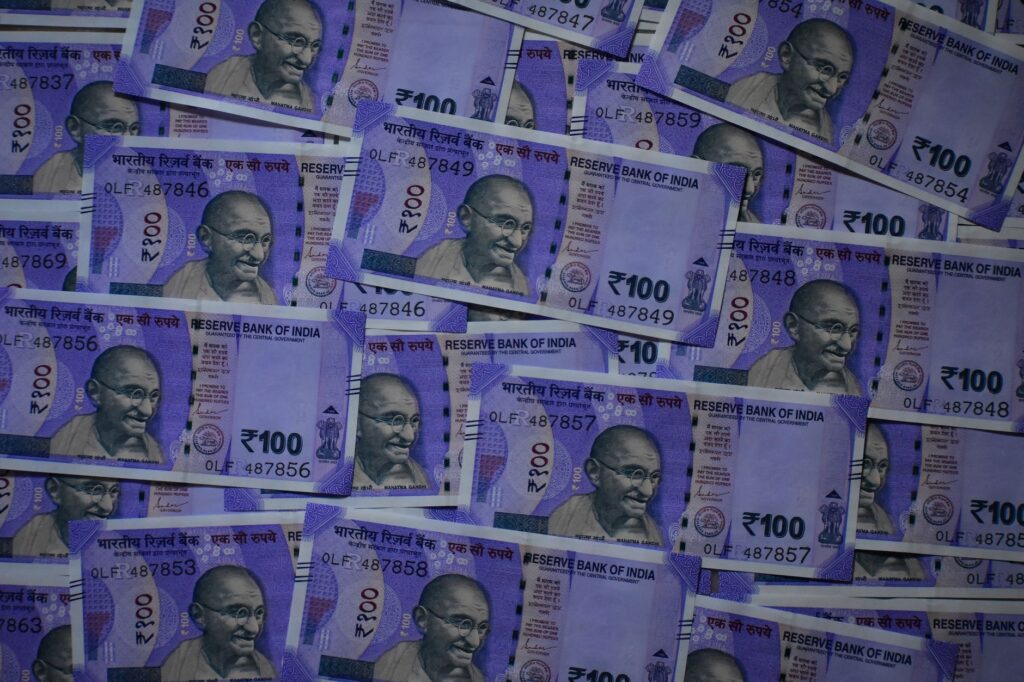
India’s payment rails are entering their next big phase. The RBI digital payments roadmap for 2026-27 is not only about faster UPI transactions, it is about stronger fraud protection, wider merchant acceptance, better user controls and selective expansion of the Digital Rupee.
The Reserve Bank of India’s Payments Vision 2028 makes the direction clear. Payments are now core financial infrastructure, not just a convenience layer. For consumers, this means easier and safer transactions. For businesses, it means lower payment friction and better digital records. For banks, NBFCs and fintechs, it means tighter compliance and more innovation opportunities.
RBI digital payments roadmap: what is changing in 2026-27
RBI’s payment strategy is built around four themes: safety, efficiency, inclusion and interoperability. Interoperability means different banks, apps and payment systems can work smoothly with one another.
The biggest focus is user control. RBI has indicated broader switch-on and switch-off style permissions across payment modes. In simple terms, users may get more control over which payment channels are active, what limits apply, and how transactions are authenticated.
Another important idea is Payments Switching Service, or PaSS. This is expected to make it easier to shift payment instructions when a customer changes banks or when financial institutions merge. It could reduce operational pain in mandates, recurring payments and account-linked services.
RBI is also looking at shared responsibility for unauthorised transactions. This may push banks, payment apps and other ecosystem players to improve fraud detection, customer alerts and dispute resolution.
These measures are still evolving. Investors and businesses should treat 2026-27 developments as a policy transition phase, not as final nationwide implementation for every feature.
RBI digital payments and UPI: the new consumer experience
UPI remains the most visible face of India’s digital payment boom. NPCI, which operates key retail payment rails, continues to refine UPI rules through circulars on user data protection, member transaction limits and merchant QR standards. Its UPI circulars show that operational discipline is becoming as important as transaction growth.
For daily users, the changes will show up in simple ways. QR payments will become more standardised. Merchant acceptance will expand. Bill payments through BBPS, instant transfers through IMPS, and high-value transfers through NEFT and RTGS will continue to serve different needs.
Cross-border use is another major theme. NPCI has extended UPI One World wallet access for foreign visitors from 40-plus countries for merchant payments in India, according to its official update. This supports inbound tourism, retail spending and UPI’s global visibility.
The Digital Rupee, or CBDC (central bank digital currency), is moving more slowly. It is not replacing cash. RBI is exploring pilot use cases such as welfare payments, programmable transfers and cross-border settlement, as reported by Reuters. Programmable payments mean money can be designed for a specific use, time or beneficiary.
Safety checklist for UPI users
Digital convenience also needs basic discipline. Users should follow these rules:
- Never share UPI PIN, OTP, card details or app passwords.
- Check the recipient name before approving any UPI payment.
- Do not scan unknown QR codes sent over WhatsApp or SMS.
- Keep transaction alerts active for all bank accounts.
- Avoid installing unknown apps or granting screen-sharing access.
- Report suspicious debits immediately through your bank or payment app.
RBI digital payments impact on merchants, banks and fintechs
For small retailers and MSMEs, digital payments reduce cash handling and improve business records. This can help with reconciliation, GST reporting and formal credit access over time. A shopkeeper with clean digital transaction history may find it easier to build credibility with lenders.
However, merchants must improve QR hygiene. Fake QR stickers, wrong beneficiary names and poor reconciliation can create losses. NPCI’s updated brand guidelines for BHIM UPI merchant QR deployment are part of this larger effort to maintain trust and consistency.
Banks and NBFCs face both opportunity and pressure. Higher transaction volumes create scope for payment-linked credit, merchant tools and customer analytics. But fraud monitoring, data governance and uptime standards will become more demanding.
Fintech companies will continue to innovate in payment apps, merchant dashboards, embedded finance and lending journeys. Embedded finance means offering financial services inside non-financial platforms, such as credit at checkout or business loans inside accounting apps. But fintechs will need closer alignment with RBI and NPCI rules on authentication, routing, data use and customer protection.
For stock market investors, India’s payment ecosystem is a scale-driven infrastructure story. Listed banks, fintech-linked companies, card networks, software providers and digital commerce platforms may benefit from long-term digitisation. But margins, regulation and competition will matter as much as transaction growth.
RBI digital payments risks: fraud, privacy and outages
The biggest challenge is not adoption. It is trust.
Cyber fraud, impersonation calls, fake payment links and device compromise remain serious risks. Many victims do not lose money because the payment system failed. They lose money because they approve a transaction under pressure or deception.
Privacy is another concern. As payment systems become more data-rich, the handling of user information becomes critical. NPCI’s circular on safeguarding user information in UPI shows the ecosystem is moving toward stricter data discipline.
Operational resilience also matters. Digital payments depend on telecom networks, bank servers, app infrastructure and device security. Any outage can disrupt merchants and consumers, especially in a low-cash environment.
This is why RBI’s emphasis on fraud response, user control and accountability is important. The future payment system must be fast, but it must also be recoverable, auditable and consumer-friendly.
RBI digital payments takeaway: what this means for you
For salaried professionals, students and retail users, the message is simple. UPI and digital payments will become more convenient, but you must treat your phone like a bank branch in your pocket.
For MSMEs, digital acceptance is no longer optional. Clean payment records, QR discipline and quick reconciliation can improve business efficiency and credit readiness.
For banks and fintechs, the next phase is about responsible scale. Innovation will continue, but RBI and NPCI will expect stronger fraud controls, better data practices and smoother interoperability.
India’s payment future will be faster, more connected and more programmable. The winners will be users and businesses that combine convenience with caution.
Sources & references

Bhavik Vaid
Bhavik Vaid writes on Indian markets, taxation, banking and personal finance for CADialogue. He covers RBI policy, GST and income-tax changes, mutual funds and market moves, translating them into practical guidance for retail investors, salaried professionals and business owners in India.


