New PF Withdrawal Rules 2026: What Changed
Partial withdrawals got easier: 13 categories became 3, with up to 75% available. Closing the account got harder: a 12-month wait, and 36 months for pension.
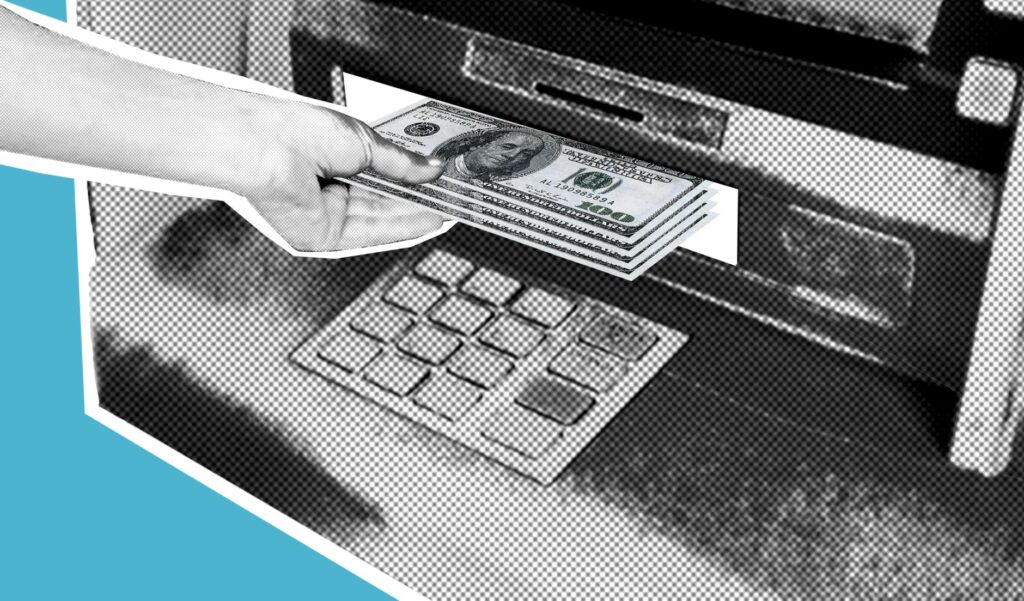
EPFO’s revised PF withdrawal rules 2026 make partial access easier while delaying full exits: members can withdraw up to 75% of their balance under three categories, including special circumstances twice yearly without stating a reason. However, final EPF settlement now requires a 12-month wait after leaving a job, while EPS withdrawal requires 36 months.
EPFO changed the PF withdrawal rules in 2026, and the change cuts both ways. Taking out part of your money got easier: 13 categories became 3, and you can now withdraw up to 75% of your balance. Taking out all of it got harder: there is now a 12-month waiting period before you can close your PF account early, and 36 months for pension withdrawal.
If you have just left a job and were planning to withdraw the whole thing, that second half is the part that affects you.
What actually changed
The government explained the new EPF Scheme in the Lok Sabha on 10 August 2026. Five things are different.
| Change | What it means |
|---|---|
| 12-month wait | Before a premature final settlement of your EPF balance |
| 36-month wait | Before EPS (pension) withdrawal benefits |
| 13 categories → 3 | Essential needs, housing, special circumstances |
| Up to 75% | Of your balance available as a partial withdrawal |
| Twice a year, no reason needed | Up to 75% under special circumstances, without explaining why |
The minimum service needed for a partial withdrawal also dropped to 12 months.
The three categories, in normal words
You used to have to work out which of thirteen boxes your situation fitted. Now there are three.
Essential needs — illness, education, marriage.
Housing needs — buying, building, or repaying a home loan.
Special circumstances — this is the useful one. It covers unemployment and general urgent need, and under it you can take up to 75% twice a year without giving a reason at all.
That last point is the genuinely new thing. Previously you were explaining and documenting your way through a category list. Now, twice a year, you do not have to justify anything.
The part that will annoy you
Here is the trade-off, and nobody enjoys it.
You cannot fully close your PF account for 12 months after leaving a job. If you quit, took a break, or got laid off and were planning to withdraw the entire balance and move on, you now wait a year.
EPS withdrawal takes 36 months. Three years. That is the pension component, which is separate from your PF balance.
Why: EPFO’s stated logic is that PF is retirement money, and people in their twenties routinely empty it at every job change, which quietly destroys decades of compounding. Whether you find that convincing or paternalistic, it is now the rule.
The important nuance: the waiting period is on final settlement, not on access. You are not locked out of your money for a year. You can still take up to 75% as a partial withdrawal. What you cannot do is zero the account and close it.
If you just left a job
Do this instead of trying to withdraw everything.
- Transfer, do not withdraw. When you join somewhere new, transfer the balance using your UAN. It is one online request and it keeps your service period continuous — which matters for pension eligibility.
- If you need cash now, use a partial withdrawal. Up to 75%, and under special circumstances you do not need to justify it.
- Leave the rest. PF earns a rate most safe options cannot match, and it is tax-free after five years of continuous service.
That five-year point catches people out. Withdraw before five years of continuous service and the amount becomes taxable, and TDS is deducted. Transferring between employers keeps the clock running; withdrawing resets it.
How to actually withdraw
Everything is online now and you do not need your old employer to sign anything, provided your UAN is activated and your KYC is done.
- Log in at the EPFO member portal with your UAN.
- Check that your Aadhaar, PAN and bank account are all linked and verified. This is where 90% of rejections come from.
- Go to Online Services and raise the claim. Form 31 is partial withdrawal, Form 19 is final settlement, Form 10C is pension withdrawal.
- Verify with the OTP sent to your Aadhaar-linked number.
The single most common reason a claim gets rejected is a mismatch between the name on your PF record and the name on your bank or Aadhaar. Fix that first, not after.
Common questions
What are the new PF withdrawal rules in 2026?
Partial withdrawals were simplified into three categories with up to 75% available, while premature final settlement now has a 12-month waiting period and EPS withdrawal a 36-month waiting period.
Can I withdraw my full PF after leaving a job?
Not immediately. There is now a 12-month waiting period for premature final settlement. You can still take up to 75% as a partial withdrawal.
How much PF can I withdraw?
Up to 75% of your balance under the three categories, and up to 75% twice a year under special circumstances without giving a reason.
What is the 36-month rule?
It applies to withdrawal benefits under the Employees’ Pension Scheme, which is separate from your PF balance.
Is PF withdrawal taxable?
It is tax-free after five years of continuous service. Withdraw earlier and it becomes taxable, with TDS deducted. Transfers between employers keep the service period continuous.
Do I need my employer’s approval to withdraw?
Not if your UAN is activated and your Aadhaar, PAN and bank details are verified. Claims are raised online.
Why was my PF claim rejected?
Most often a mismatch between the name or details on your PF record and your bank account or Aadhaar.
The short version
Partial withdrawals got easier — three categories, up to 75%, and twice a year you do not even have to say why. Closing the account entirely got harder, with a 12-month wait for final settlement and 36 months for pension. If you have just changed jobs, transfer the balance rather than withdrawing it: it keeps your service period continuous, which protects both your pension eligibility and the tax-free status you get after five years.
Frequently Asked Questions
What are the new PF withdrawal rules 2026?
Under the PF withdrawal rules 2026, members can make partial withdrawals of up to 75% under three simplified categories, but must wait 12 months after leaving employment for final EPF settlement. EPS pension withdrawal benefits now require a 36-month wait, while partial-withdrawal eligibility starts after 12 months of service.
Can I withdraw 75% of my PF balance after leaving my job?
Yes, you can withdraw up to 75% of your PF balance as a partial withdrawal after leaving a job, but you cannot close the account fully for 12 months. Under the special-circumstances category, members may make such withdrawals twice a year without stating a reason.
How long do I have to wait for final PF settlement after resignation?
You must wait 12 months after leaving your job to claim premature final settlement of your EPF balance. This restriction applies to closing the account and withdrawing the entire balance, not to partial withdrawals, which remain available up to 75% subject to the revised rules.
Can I withdraw EPS pension money immediately after leaving a job?
No, EPS withdrawal benefits can be claimed only after a 36-month waiting period under the revised rules. EPS is the pension component and is separate from the EPF balance, for which premature final settlement has a shorter 12-month waiting period after leaving employment.
Will my PF withdrawal be taxable if I leave my job before five years?
Yes, withdrawing PF before completing five years of continuous service makes the amount taxable and TDS is deducted. Transferring your PF balance through your UAN when joining a new employer preserves continuous service, whereas withdrawing the balance resets the five-year clock.

Bhavik Vaid
Bhavik Vaid writes on Indian markets, taxation, banking and personal finance for CADialogue. He covers RBI policy, GST and income-tax changes, mutual funds and market moves, translating them into practical guidance for retail investors, salaried professionals and business owners in India.


