Air India Cancels 500+ Intl Flights: ATF, West Asia Hit
Air India Cancels 500+ International Flights as soaring ATF prices and the West Asia crisis disrupt routes, fares and summer travel plans.
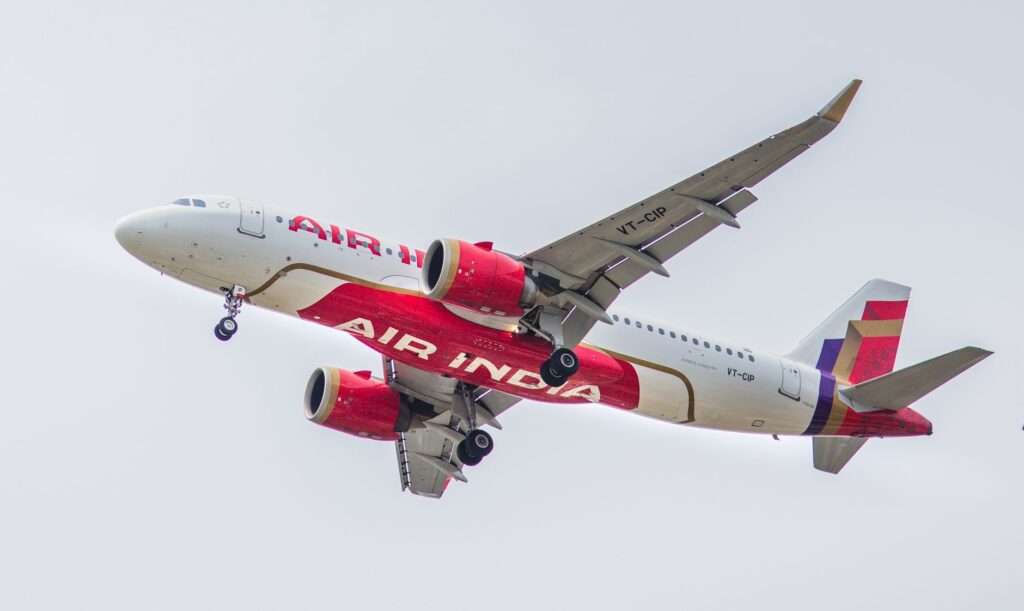
Air India has announced the cancellation and reduction of over 500 international flights from April through July 2026, citing record-high jet fuel prices and severe airspace restrictions from the ongoing West Asia conflict. CEO Campbell Wilson confirmed the cuts, with routes to Europe, North America, Australia, and Singapore facing the deepest impact.

For Indian passengers, frequent flyers, and the broader aviation sector, this signals a prolonged period of disruption, and raises serious questions about the financial sustainability of long-haul international aviation in the current geopolitical climate.
What Is Happening: Air India Slashes 100+ Daily Flights
Air India is cutting approximately 100 flights per day across its international network through the peak summer travel season. The cuts were confirmed for April–May 2026 and extended to June and July, normally among the busiest months for Indian outbound travel. This is one of the largest scheduled flight reductions in Air India’s post-Tata acquisition history.
Why Is Air India Cancelling Flights? Two Root Causes
1. Surging ATF (Aviation Turbine Fuel) Prices
Aviation Turbine Fuel now accounts for up to 60% of Air India’s operating costs on affected routes, up from roughly 35–40% under normal conditions. The spike is driven by:

- Global crude oil price surge: Brent crude has spiked sharply amid West Asia conflict escalation, directly elevating ATF procurement costs worldwide.
- Strait of Hormuz disruption: Partial closure of the Strait, through which roughly 20% of global oil trade flows, has tightened supply and pushed up refining margins for jet fuel.
On routes to Europe and North America, this fuel cost spiral has made many sectors operationally unprofitable at current fare levels. For context on how global crude prices affect Indian businesses, see our Economy and Markets coverage.
2. West Asia Airspace Restrictions
The conflict has forced rerouting of flights that previously transited through Iranian, Iraqi, and other regional airspace corridors. With those corridors restricted or closed, flights must now take significantly longer alternative routes, adding up to 90 minutes of flying time per sector. For a Mumbai–London or Delhi–Toronto flight, this means:
- Substantially higher fuel burn per flight
- Increased crew duty hours, triggering mandatory rest requirements
- Reduced aircraft utilisation and more maintenance cycles
The compounding effect of longer routes on already-elevated fuel costs has pushed many routes past the profitability threshold, making reductions a commercial necessity.
Which Air India Routes Are Most Affected?
International Long-Haul Routes (Hardest Hit)
Over 500 international flights have been slashed this summer, with the heaviest cuts on:
- Europe: London (Heathrow and Gatwick), Frankfurt, Paris, Milan, Birmingham
- North America: Toronto, Vancouver, New York, Chicago, San Francisco, Canada routes particularly affected
- Australia: Melbourne and Sydney, some services suspended temporarily
- Southeast Asia: Singapore, a key connecting hub, sees reduced capacity
Domestic Operations: Limited Impact
India’s domestic aviation market sees milder disruptions. ATF pricing for domestic operations is partially regulated, providing a cost buffer. However, passengers on connecting international itineraries should verify their full journey status regardless.
What CEO Campbell Wilson Said
Air India CEO Campbell Wilson publicly confirmed the reductions in April 2026, describing the combination of ATF price inflation and airspace rerouting as an “unprecedented dual pressure” on international route economics. Wilson indicated the airline would restore capacity as soon as conditions permitted, but declined to provide a specific timeline given ongoing geopolitical unpredictability.
Impact on Indian Passengers
- Higher fares on remaining flights: With reduced capacity, yield per seat on surviving routes is likely to rise significantly for summer 2026.
- Disruption to the Indian diaspora: Canada and UK routes heavily used by the Indian diaspora for family visits, student travel, and business face the highest impact.
- Tourism setback: India’s outbound tourism sector faces a setback as seat availability shrinks during the peak season.
- Longer travel times: Travellers may be forced onto competitor routes with more connections or longer layovers.
Your Rights as a Passenger: Refunds and Rebooking
If your Air India flight has been cancelled, you are entitled to the following under Air India’s Conditions of Carriage and DGCA Civil Aviation Requirements:
- Full refund: Complete refund of ticket price, including taxes and surcharges, regardless of fare type.
- Alternate routing: Rebooking on the next available flight at no additional cost.
- Compensation: Under DGCA regulations, passengers may be entitled to compensation depending on notice period. Check the DGCA website for current rules.
Immediate action steps:
- Check your flight status on the Air India website or mobile app
- Enable SMS/email flight alerts for your booking reference
- Contact Air India customer care: 1860-233-1407 (India)
- Notify your travel insurer if you have a policy, many cover airline-side cancellations
Clarifying the Misinformation: No Full International Halt
Social media has carried viral claims that Air India is suspending all international operations. This is false. The reductions are targeted, route-specific, and commercially driven. Air India continues to operate the majority of its international and all domestic routes. Always verify through official Air India channels.
Broader Aviation Sector Implications
Air India’s cuts reflect a wider stress test facing global carriers with heavy exposure to West Asia overfly routes. The situation also renews pressure on India’s ATF pricing policy. Industry bodies including FICCI and CAPA India have long lobbied for ATF to be brought under GST, currently outside the framework, denying airlines input tax credits. With fuel comprising 60% of costs on affected routes, the case for ATF GST inclusion has never been stronger.
IndiGo and other Indian carriers operating Gulf routes face similar cost dynamics, though short-haul Gulf routes remain more viable given lower total fuel burn per sector.
Frequently Asked Questions (FAQ)
Will Air India cancel my domestic flight?
Domestic flights are largely unaffected. Reductions are concentrated on long-haul international routes to Europe, North America, and Australia. Verify your specific flight on the Air India app.
How long will these flight cancellations last?
Reductions are confirmed through July 2026. The timeline for restoration depends on crude oil prices and the West Asia conflict, both outside Air India’s control. No restoration date has been committed.
Can I get a full refund if Air India cancels my flight?
Yes. DGCA regulations and Air India’s policy entitle you to a full refund if the airline cancels your flight, regardless of fare type. Initiate the process through the Air India website, app, or customer support.
Is Air India going bankrupt?
No. These cuts are a standard commercial response to extraordinary cost pressures, the same adjustments any responsible airline would make when routes become unprofitable. Air India, under Tata Group ownership since January 2022, remains in an active turnaround phase.
Which airline should I use instead for Europe or Canada?
Consider Emirates, Etihad, Qatar Airways, Lufthansa, British Airways, and Air Canada, all maintain India services. Note that competing carriers face similar cost pressures, so summer 2026 fares industry-wide are likely elevated.
Conclusion
Air India’s reduction of 100+ daily flights through July 2026 is a rational commercial response to two simultaneous external shocks: record ATF prices and West Asia airspace restrictions that add 90 minutes and millions of rupees in fuel costs to long-haul routes. For passengers, the priority is to check bookings, claim refunds if applicable, and book alternatives early.
CADialogue will continue tracking this story as the situation evolves. For live crude oil prices and the latest economy and aviation news, follow our Economy and Markets sections.
Disclaimer: This article is for informational purposes only. Flight schedules are subject to change. Always verify directly with Air India before making travel decisions.

Bhavik Vaid
Bhavik Vaid writes on Indian markets, taxation, banking and personal finance for CADialogue. He covers RBI policy, GST and income-tax changes, mutual funds and market moves, translating them into practical guidance for retail investors, salaried professionals and business owners in India.


