Rupee Crash: Entrepreneur Warns of Economic Risks
Discover the potential rupee crash as Jayant Mundhra warns of risks. Learn how India's economy must adapt to avoid a financial downturn.
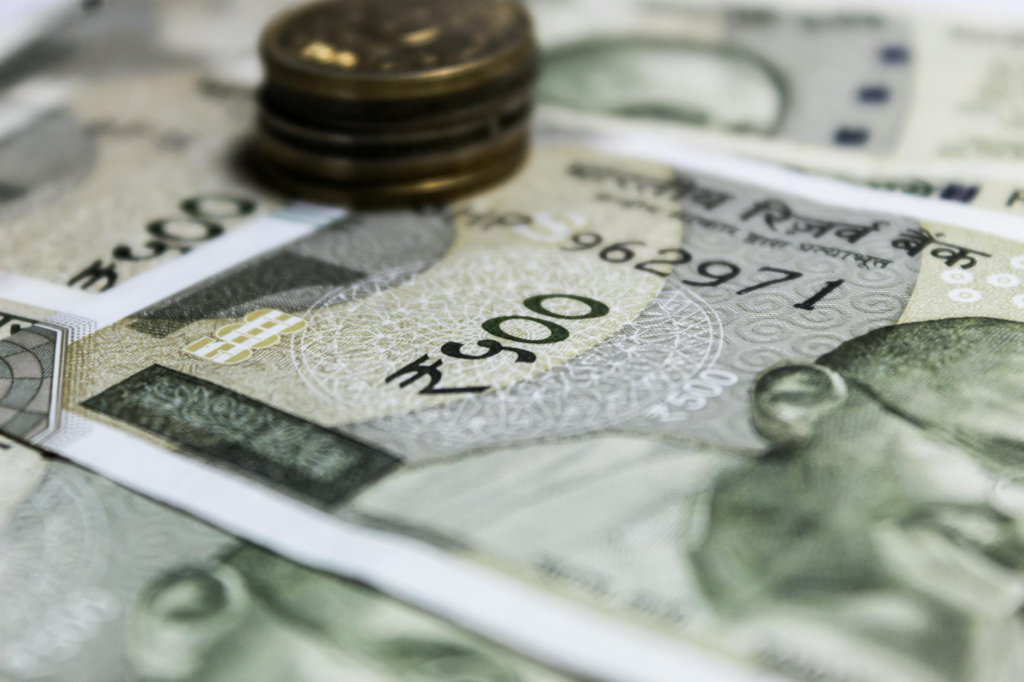
The Indian rupee might plummet to ₹150 against the US dollar, warns Jayant Mundhra, founder of Biz News+. Today, the rupee stands at ₹96.33 per USD. But what could push it further down? Without strategic changes in import reliance, this scenario becomes plausible. The alarm is clear: India must shift focus from being a consumer-driven economy to becoming more self-reliant. Are we ready to tackle this potential economic storm?
Table of Contents
- The Current Economic Context
- The Threat of a Rupee Crash
- What This Means for Indian Investors
- Indicators to Watch
- Global Oil Prices
- Foreign Direct Investment Trends
- RBI’s Monetary Policy Adjustments
- Geopolitical Developments
- Manufacturing Output
- Expert Insight
- Frequently Asked Questions
- Does a weaker rupee benefit any sectors?
- How does import reliance increase vulnerability?
- What role does RBI play in stabilizing the rupee?
- Should investors look to hedge against rupee depreciation?
- How significant is the shift from consumer to self-sustaining economy?
- Key Takeaways
The Current Economic Context
The past few years have transformed the global economy into a whirlwind of instability and unpredictability. COVID-19 wreaked havoc on supply chains worldwide, and the aftershocks linger. In this backdrop, India grapples with rising import bills, driven by needs like crude oil, technological gear, and consumer products. These dependencies make the rupee vulnerable, particularly as the nation’s imports surpass its exports, ballooning the trade deficit. Currently, the USD/INR exchange rate hangs at ₹96.33. Given these uncertainties, experts, including Jayant Mundhra, foresee a grim scenario where the rupee could decline to ₹150 per dollar.
India’s economic approach traditionally prioritizes consumer-driven growth. While this boosts immediate GDP figures, it hides deeper fault lines. High consumption leads to increased imports, hindering initiatives to boost local production. When international economic conditions take a downturn, the rupee feels the heat, depreciating as a result. The reliance on crude oil prices is a prime example, with more than 80% of India’s oil coming from abroad, making the economy sensitive to oil market fluctuations.
The government’s ‘Make in India’ initiative aims to bolster home-grown manufacturing to combat these issues. Yet, the journey from a consumption-heavy model to self-sufficiency is slow. Reality bites: India’s import dependency persists in meeting domestic demands.
The Threat of a Rupee Crash
Jayant Mundhra raises alarms with his prediction of a potential rupee crash, which stems from fundamental economic warning signs. With the USD/INR rate at ₹96.33 and trending upward, a further decline could spell drastic financial fallout. Mundhra points to ongoing import reliance and sluggish export growth as the ingredients for a brewing storm of currency depreciation. The following table highlights the current state of critical economic indicators, painting a concerning picture:
| Economic Indicator | Current Level | Percentage Change |
|---|---|---|
| USD/INR Exchange Rate | ₹96.33 | -17% since 2023 |
| RBI Repo Rate | 5.25% | Unchanged |
| Sensex | 75,315.04 | +0.10% today |
| Oil Import Volume | 4.25 million barrels/day | +10% YoY |
| Trade Deficit | $333.19 billion | +5% YoY |
The data tells a worrying story: a trade deficit pushing financial burdens onto foreign reserves. India’s economic strategy requires a considerable rethinking to lessen the risks associated with Mundhra’s foreseen crisis. A weaker rupee often means pricier imports, rising inflation domestically, and tougher monetary policies from the Reserve Bank of India.
Mundhra believes, unless addressed, these issues could cause investors to flee from Indian assets. FIIs might quickly move away from a depreciating currency environment, triggering market volatility, which affects both retail and institutional investors in India.

What This Means for Indian Investors
For Indian investors, a rupee crash is both a threat and an opening for opportunity. On one hand, retail investors may witness depreciated portfolios as FIIs reroute capital towards more stable economies. Indian equity markets could face turbulence, with sectors reliant heavily on imports, such as pharmaceuticals, tech, and automobiles, incurring higher costs. On the brighter side, sectors like IT and textiles, earning mostly in dollars, might capitalize on the weakening rupee.
Moreover, a depreciated rupee ramps up inflationary pressure, hitting consumer purchasing power and squeezing sectors dependent on consumer spending. Investors should consider diversifying their portfolios, with a blend of dollar-denominated assets or using hedging tactics to counterbalance the depreciation consequences.
Would investors need to rethink their strategies to mitigate depreciation risks? Absolutely. A well-balanced portfolio with international diversification could serve as a cushion against domestic economic and currency volatility.
Indicators to Watch
Several indicators could signal changes in India’s economic environment, impacting the rupee’s fate:
Global Oil Prices
A spike in global oil prices places a direct strain on India’s trade balance, given crude imports make up a hefty part of the nation’s spending. Stable or decreasing prices can temporarily ease the pressure on the rupee.
Foreign Direct Investment Trends
FDI inflows are a sign of economic stability and investor confidence. Keeping an eye on these inflows can reveal international investors’ views on India’s growth potential and economic stability.
RBI’s Monetary Policy Adjustments
The RBI’s changes in the repo rate indicate its approach to inflation control and economic growth. Monetary policy tightening might curb inflation but also slow growth, affecting the rupee in multifaceted ways.
Geopolitical Developments
Geopolitical tensions can disrupt trade and fuel USD demand, affecting currency pairs like USD/INR. Observing regional developments can hint at shifts in investor behavior.
Manufacturing Output
Higher domestic manufacturing output reduces reliance on imports. By tracking PMI indices, one gains insights into the health of manufacturing and potential declines in the trade deficit.
Expert Insight
Dr. Meera Kulkarni, a leading macroeconomic analyst, stresses that India must harness its demographic strengths to invigorate domestic manufacturing and innovation. Relying excessively on imports traps the economy in recurrent fiscal weaknesses. If India can pivot to export-led growth while fostering sustainable domestic consumption, it could stabilize the rupee and avoid the scenario Mundhra envisions.

Frequently Asked Questions
Does a weaker rupee benefit any sectors?
Indeed, sectors like IT and export-oriented textiles gain from a weaker rupee as they see increased revenue when dollar earnings are converted back to rupees, cushioning them against domestic inflation impacts.
How does import reliance increase vulnerability?
Heavily relying on imports inflates the trade deficit and spikes foreign currency demand, putting pressure on the rupee’s value. It makes the economy vulnerable to global price swings, particularly for essential commodities like oil.
What role does RBI play in stabilizing the rupee?
The RBI uses monetary policy tools, including interest rates and foreign exchange reserves, to sway the rupee’s value. It can directly intervene in forex markets to stabilize currency fluctuations.
Should investors look to hedge against rupee depreciation?
Absolutely, investors should consider hedging by holding foreign currency assets or using derivatives like futures and options, as these strategies shield against adverse forex movements affecting domestic investments.
How significant is the shift from consumer to self-sustaining economy?
This shift is monumental. Developing a self-sustaining economy decreases import reliance, balances trade deficits, and facilitates sustainable growth. It’s a structural change to prevent potential currency crises.
Key Takeaways
- Scrutinize USD/INR exchange rates for potential changes.
- Diversify investment portfolios with foreign assets to mitigate risks.
- Be watchful of global oil prices affecting India’s trade balance.
- Look at sectors with robust export revenues for gains amid rupee weakness.
- Keep current on RBI’s policy changes and geopolitical influences on currency stability.
- Employ hedging strategies to counter the negative effects of currency depreciation.
Disclaimer: This article is for informational purposes only and does not constitute investment advice. Please consult a SEBI-registered financial advisor before making investment decisions.
Sources & references

Bhavik Vaid
Bhavik Vaid writes on Indian markets, taxation, banking and personal finance for CADialogue. He covers RBI policy, GST and income-tax changes, mutual funds and market moves, translating them into practical guidance for retail investors, salaried professionals and business owners in India.


