Mumbai April Property Registrations Hit 13,864, 14-year High
Mumbai Records 13,864 Property Registrations in April 2026 as demand hits a 14-year April high, with stamp duty at Rs 1,114 crore.
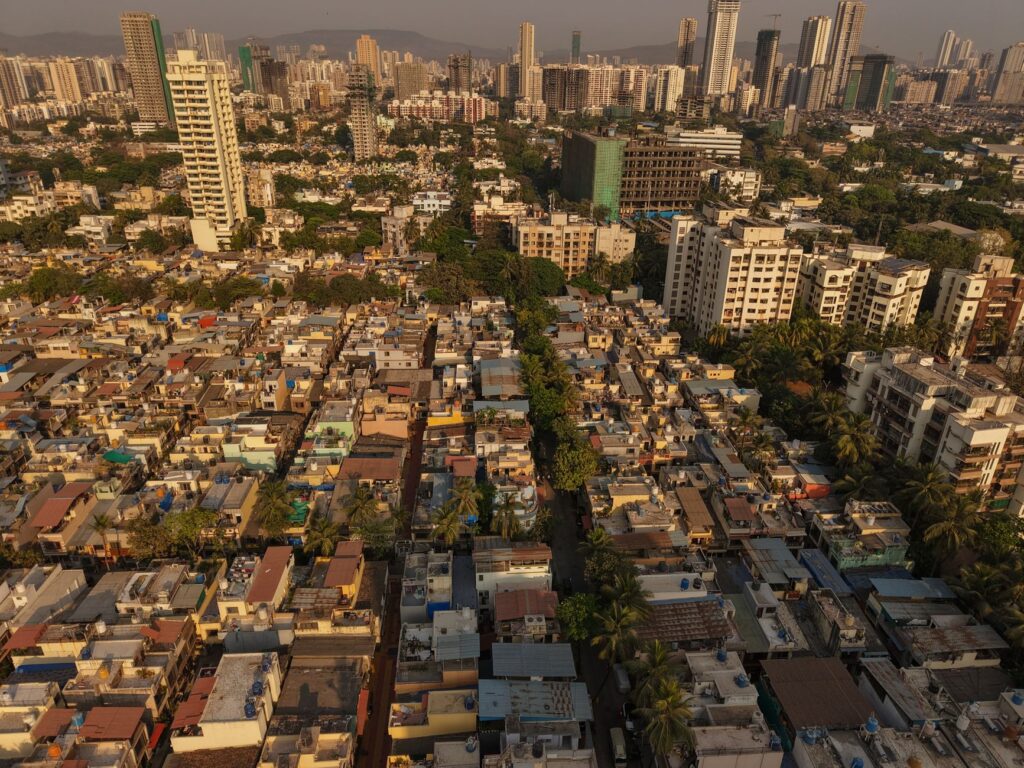
Mumbai’s housing market recorded its strongest April in 14 years, with 13,864 registrations in 2026, up 6% year on year despite a seasonal monthly decline. Mumbai property registrations generated Rs 1,114 crore in stamp duty, supported by infrastructure progress, peripheral affordability and demand for premium homes.
Mumbai’s Record-Breaking Property Registrations
In April 2026, Mumbai’s real estate market marked a significant achievement with 13,864 property registrations, showcasing a 6% year-on-year increase. This milestone marks the highest April performance in 14 years, according to the Inspector General of Registration, Maharashtra. Although there was a 13% month-on-month reduction from March 2026, typically a peak period due to financial year-end activities, the market’s resilience is noteworthy in the face of these seasonal variations.
The Numbers Speak
- Total Registrations: 13,864 units
- Year-on-Year Growth: +6%
- Stamp Duty Collection: Rs 1,114 crore
- Average Ticket Size: Rs 1.3-1.5 crore
- Best April: First time since 2012 that registrations in April have surpassed the 13,000 mark
Understanding the Surge
This uptick in property registrations reflects a robust recovery trend within Mumbai’s real estate sector, particularly following a decade marred by external challenges. Major regulatory overhauls, such as the Goods and Services Tax (GST) introduction, and events like demonetization in 2016, have shaped the market. Additionally, a pre-pandemic liquidity crunch further strained the sector. However, positive influences such as significant infrastructure developments and attractive lending conditions have helped rejuvenate the market. The easing of India’s retail inflation to 3.4% in March 2026, alongside improving macroeconomic conditions, has also created an environment conducive to real estate investments.
Key Market Drivers
- Infrastructure Development: The operational status of Mumbai Metro Lines 2A, 7, and 3, along with advancements in the Coastal Road and Navi Mumbai airport projects, have opened up new areas for considerable residential and commercial development, drawing investor interest to regions that were once marginalized.
- Affordability in Peripheral Areas: Regions like Panvel, Thane, Navi Mumbai, and Vasai-Virar continue to draw first-time homebuyers, offering properties within the Rs 50-90 lakh range. This affordability attracts the middle class, easing the path to property ownership.
- Luxury Demand: Premium areas such as South Mumbai, Bandra, and Worli have garnered attention from NRIs and HNIs, with properties exceeding Rs 5 crore attracting considerable interest. The steady demand in this segment underscores investor confidence in the city’s premium real estate market.
- Declining Home Loan Rates: The recent 25 basis point cut by the Reserve Bank of India (RBI) in April 2026 has lowered home loan rates to approximately 8.25-8.5%. The resulting affordability of EMIs has stimulated buyer interest, heightening demand across segments. The parallel increase in SIP inflows, which hit a record Rs 32,087 crore in March 2026, further indicates a favorable investor sentiment transcending to real estate.
Current Stamp Duty Regime
- Male buyers pay a 6% stamp duty, inclusive of a 1% Metro Cess.
- Female buyers benefit from a reduced rate of 5%.
- Registration charges are set at 1%, capped at Rs 30,000 for properties over Rs 30 lakh.
Nordic Suburbs: The Real Estate Gem
The northern suburbs continue to define Mumbai’s real estate landscape with a seamless blend of affordability and luxury. These areas, including Malad and Goregaon, have evolved as prime real estate destinations, thanks to improved connectivity initiatives like the Mumbai Metro. The dual appeal here caters to both residential and commercial realty interests, making these suburbs highly sought after.
Looking Ahead to FY27
Industry experts from JLL India and Knight Frank project an 8-12% appreciation in Mumbai’s residential property prices over FY27. This growth is expected to be led by areas such as the Western Suburbs, Thane, and Lower Parel. Major projects like the Dharavi redevelopment and the upcoming operational phase of the Navi Mumbai airport hold the potential to dramatically reshape the Mumbai Metropolitan Region’s (MMR) real estate dynamics, spurring additional growth opportunities.
The anticipation of price appreciation aligns with expectations for sustained economic growth, ongoing urban migration, and infrastructure upgrades. Recent positive financial performance across several industries further builds economic optimism, which could bolster a heathy real estate sector in the coming years.
Implications for Stakeholders
For potential homeowners, the current landscape offers an appealing entry point given the decreasing interest rates and innovative housing solutions available. However, understanding market fluctuations and personal financial capacity is essential when deciding the right moment to invest. As property values are poised to escalate, early acquisition might present the most significant long-term advantages.
Investors pursuing rental yields may find the Western Suburbs particularly appealing due to perpetually strong demand. First-time buyers should consider peripheral areas for more budget-conscious options or take advantage of reduced home loan rates to explore premium residences.
This period, characterized by infrastructure progress and supportive policies, signals a promising future for investors and homebuyers eager to capitalize on opportunities in one of India’s most dynamic real estate markets.
Frequently Asked Questions
Why did Mumbai property registrations reach a 14-year high in April 2026?
Mumbai property registrations reached 13,864 in April 2026, helped by infrastructure progress, peripheral affordability, premium-home demand and lower home-loan rates. Registrations rose 6% year on year and crossed 13,000 in April for the first time since 2012, according to Maharashtra’s Inspector General of Registration.
How much stamp duty do I pay on a property purchase in Mumbai?
Male buyers pay 6% stamp duty on a Mumbai property purchase, while female buyers pay 5%. The male rate includes a 1% Metro Cess. Registration charges are 1%, capped at Rs 30,000 for properties valued above Rs 30 lakh, under the regime cited in the article.
Why did Mumbai property registrations fall from March to April 2026?
Mumbai registrations fell 13% month on month in April 2026 because March is typically a peak period for transactions linked to the financial year-end. Despite this seasonal decline, April recorded 13,864 registrations, up 6% from a year earlier and the city’s strongest April in 14 years.
What are home loan rates in India after the RBI rate cut in April 2026?
Home loan rates were approximately 8.25% to 8.5% after the RBI cut rates by 25 basis points in April 2026. The article says lower borrowing costs improved EMI affordability and stimulated buyer interest across Mumbai’s housing segments, from peripheral locations to premium markets.
Which Mumbai areas are affordable for first-time homebuyers in 2026?
Panvel, Thane, Navi Mumbai and Vasai-Virar are drawing first-time buyers with properties in the Rs 50 lakh to Rs 90 lakh range. Malad and Goregaon are also sought-after northern-suburb markets, supported by improved connectivity including the Mumbai Metro and a mix of affordability and luxury.
Sources & references

Bhavik Vaid
Bhavik Vaid writes on Indian markets, taxation, banking and personal finance for CADialogue. He covers RBI policy, GST and income-tax changes, mutual funds and market moves, translating them into practical guidance for retail investors, salaried professionals and business owners in India.


